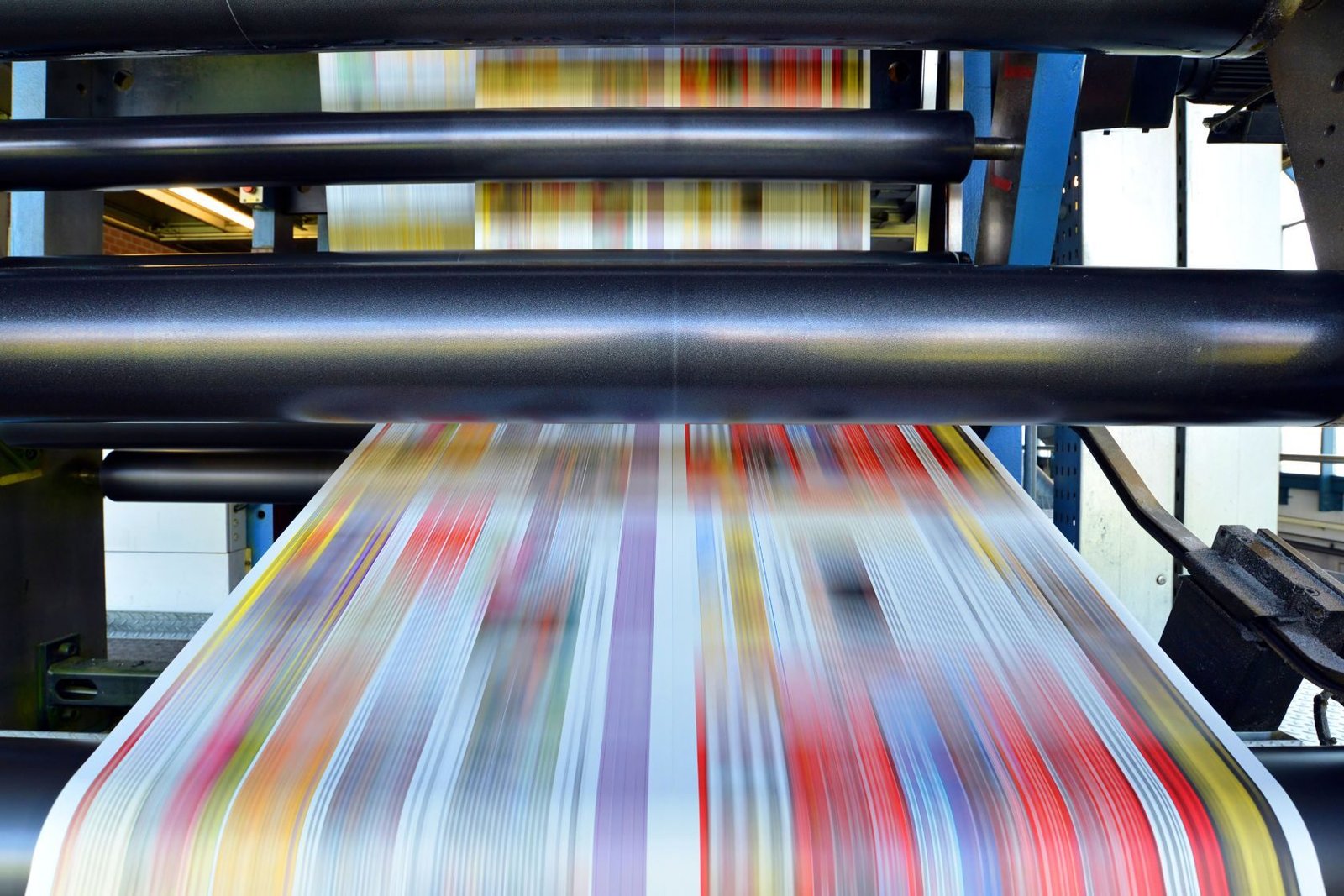
There’s a particular kind of frustration that comes from a print job going wrong. Colours that don’t match the brand guidelines. A delivery date that quietly slips. Business cards that feel cheap the moment they land in your hand.
None of this tends to happen by chance. It usually comes down to who you chose to print with in the first place, and how much homework went into that decision.
London has no shortage of printers to choose from, which sounds like a good thing until you’re the one trying to work out which ones are actually worth your budget.
Why Choosing the Right Print Partner Matters
Print might feel like a small line item next to the rest of a marketing budget, but it carries an outsized amount of weight. A brochure or business card is often the first physical thing a client touches, and first impressions from paper stock are surprisingly durable.
Get the partner wrong and the costs stack up in less obvious ways too — reprints, missed deadlines, inconsistent branding across different orders. It comes down to process, communication, and whether a supplier actually understands what you’re trying to achieve.
Questions Every Business Should Ask Before Ordering Print
Before requesting quotes, it helps to know what you’re actually trying to find out. A few sharp questions early on save considerably more time than comparing prices in isolation.
Worth asking:
- What proofing process do you offer?
- What’s your standard turnaround, and what happens if I need it faster?
- Can you match specific brand colours (Pantone or CMYK)?
- Do you check artwork files before printing, or is that on me?
A supplier’s answers here tend to reveal more about their reliability than any portfolio page.
Services a Professional Print Shop Should Offer
A well-rounded print shop London businesses can lean on repeatedly should typically cover:
- Business cards and stationery
- Flyers and leaflets
- Brochures and booklets
- Roller banners and pull-up displays
- Posters
- Signage
- Large-format printing for exhibitions and events
Having all of this under one roof isn’t just convenient. It also means consistent colour matching and finish quality across an entire brand’s materials, rather than piecing things together from several different suppliers.
Digital Printing vs Litho Printing
One of the more practical decisions in any print order is choosing between digital and litho (offset) printing. Both have their place, and the right call usually comes down to volume and budget.
| Factor | Digital Printing | Litho Printing |
| Best for | Small to medium runs | Large volume orders |
| Setup time | Minimal | Longer, due to plate setup |
| Cost per unit | Higher on small runs | Lower at scale |
| Turnaround | Fast, often same-day | Slower, needs planning |
| Colour consistency | Very good | Excellent for brand matching |
For a short run of business cards or a one-off event banner, digital tends to win on speed and convenience. For a 10,000-unit brochure order, litho usually works out considerably cheaper per unit.
How Turnaround Times Can Affect Marketing Campaigns
Timing matters more in print than people tend to expect, particularly when a campaign is tied to a specific launch date or event.
Most printers offer a few tiers:
- Standard delivery — typically the most cost-effective, suited to non-urgent orders planned well in advance.
- Express delivery — faster turnaround for a premium, useful when deadlines tighten unexpectedly.
- Same-day printing — reserved for smaller runs and simpler jobs, often at a higher cost per unit.
- Emergency print jobs — last-resort territory, usually only available from suppliers with spare capacity and flexible scheduling.
A campaign built around a fixed event date has little room for a printer that misses deadlines. It’s worth confirming realistic turnaround times upfront, rather than assuming a supplier can always accommodate a rush order.
Common Mistakes Businesses Make When Ordering Print
A handful of errors come up repeatedly, and most are entirely avoidable with a bit of forward planning.
Buyer’s checklist — avoid these before placing an order:
- Leaving orders until the last minute and paying rush fees unnecessarily
- Choosing the cheapest quote without checking material or ink quality
- Submitting artwork in the wrong format or colour profile
- Not confirming bleed and margin requirements for the final design
- Assuming all printers offer the same turnaround options
- Failing to ask about bulk pricing on repeat orders
Ticking through a checklist like this before submitting an order tends to catch the mistakes that cause the most delay and expense later.
Choosing a Reliable Print Shop in London
Once you know what to ask and what to watch for, narrowing down a shortlist becomes far more manageable. Look for a supplier that offers a genuinely wide product range, checks artwork properly before printing, and gives you more than one delivery option depending on how urgent the job is.
Print shop London businesses come across often fits that description well offering everything from business stationery through to large-format and event printing, alongside the kind of artwork checks and flexible turnaround options covered throughout this guide.
Final Thoughts
Printing rarely gets the strategic attention it deserves, yet it shapes how a brand is perceived in ways that are easy to underestimate. Taking the time to properly vet a supplier, rather than defaulting to whoever’s cheapest or closest, tends to pay off well beyond the first order.
A good print partner becomes something you barely have to think about orders arrive on time, colours match, and quality stays consistent. That reliability, once found, is worth far more than the small amount of extra effort it takes to find it.
Author Name: Nimesh Kerai
As the Printing Department Lead at VC Print, Nimesh Kerai brings extensive industry experience and technical expertise to every project. His deep understanding of modern print solutions and evolving marketing techniques has played an important role in the company’s continued growth. Beyond his professional responsibilities, Nimesh enjoys sharing practical insights and industry knowledge by writing clear, informative articles for readers and businesses alike.