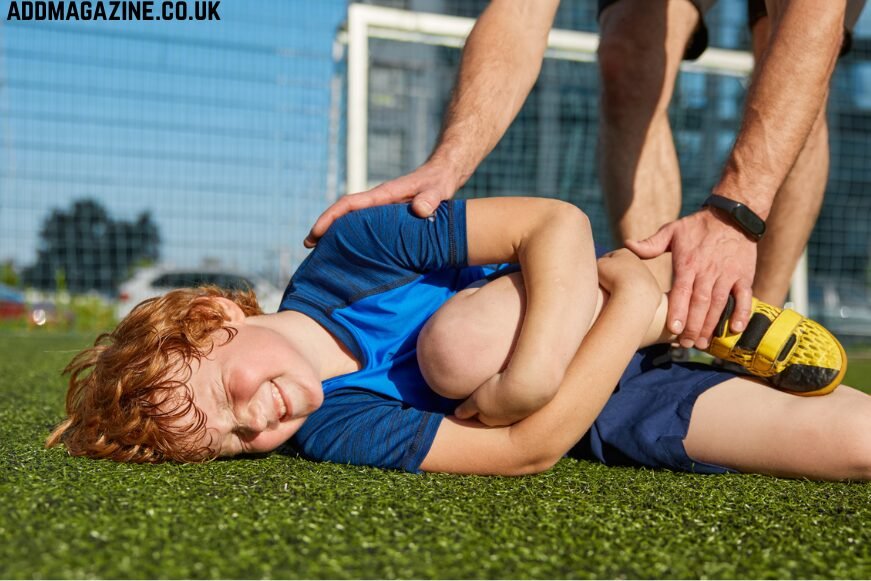
No parent wants to imagine their child being injured, but accidents can happen almost anywhere—at school, on the playground, during sports activities, in shopping centers, or even on public roads. While many childhood injuries are minor, some can have long-term physical, emotional, and financial consequences. When an injury occurs because of someone else’s negligence, understanding your legal rights can make a significant difference in protecting your child’s future.
Seeking guidance from experienced legal professionals, such as Affinity Law, can help families understand their options and navigate the legal process with confidence. If the injury involves negligence or unsafe conditions, learning more about child injury law early can help parents make informed decisions while focusing on their child’s recovery.
Why Child Injury Cases Require Special Legal Consideration
Because children are energetic explorers who often act before thinking, they face a greater risk of everyday injuries than adults. However, the legal system often treats child injury claims differently because children cannot always advocate for themselves or fully understand the risks around them.
Unlike standard personal injury cases, child injury claims may involve additional legal protections, longer limitation periods, and court approval for settlements to ensure the child’s best interests are protected.
Whether the injury occurs at school, a daycare center, a public park, or another location, determining liability requires careful investigation and a thorough understanding of personal injury law.
Common Causes of Child Injuries
Many child injuries result from everyday situations that could have been prevented with reasonable care.
Some common causes include:
- Playground accidents caused by poorly maintained equipment
- School injuries resulting from inadequate supervision
- Sports-related injuries involving unsafe facilities or negligence
- Motor vehicle collisions
- Bicycle and pedestrian accidents
- Dog bites and animal attacks
- Slip and fall accidents
- Defective toys or children’s products
Although accidents cannot always be avoided, many injuries occur because individuals or organizations fail to meet their duty of care.
Understanding Negligence in Child Injury Cases
Negligence is often the foundation of a child injury claim. In simple terms, negligence occurs when someone fails to act with reasonable care, causing harm to another person.
Examples may include:
Unsafe Property Conditions
Property owners are responsible for maintaining reasonably safe environments. Hazards such as broken playground equipment, wet floors, or poorly maintained walkways can create unnecessary risks for children.
Lack of Proper Supervision
Schools, childcare providers, sports clubs, and recreational organisations have a responsibility to provide appropriate supervision based on the children’s age and activities.
Failure to supervise adequately may increase the likelihood of preventable injuries.
Defective Products
Defective toys, furniture, safety equipment, or children’s products can lead to serious injuries if they fail during normal use.
Essential Steps Parents Should Take Following a Child’s Injury
The steps taken immediately after an accident can affect both your child’s recovery and any future legal claim.
Seek Medical Attention Immediately
Your child’s health should always come first.
Seeking immediate medical attention helps detect injuries that may not be obvious while creating an accurate medical record.
Report the Incident
Notify the responsible organisation as soon as possible.
- School administrators
- Childcare providers
- Property managers
- Sports organisations
- Local authorities
Gather Evidence
If possible, collect:
- Photographs of the accident scene
- Images of any hazards
- Witness contact information
- Medical records
- Receipts for treatment-related expenses
Proper documentation helps establish the facts surrounding the incident.
Keep Detailed Records
Maintain organised records of:
- Medical appointments
- Rehabilitation sessions
- Medication costs
- School absences
- Travel expenses
- Communications with insurance companies
These records may become valuable if compensation is pursued.
Types of Compensation That May Be Available
Potential damages may include:
Medical Expenses
Treatment costs may include:
- Emergency care
- Surgery
- Hospital stays
- Physiotherapy
- Occupational therapy
- Future medical treatment
Rehabilitation Costs
Some children require ongoing rehabilitation to regain mobility or manage long-term conditions following an injury.
Pain and Suffering
Serious injuries can affect a child’s emotional well-being, confidence, and quality of life.
Courts may consider these non-financial impacts when assessing compensation.
Future Care Needs
In severe cases, long-term care or specialised support services may be necessary throughout a child’s development.
Why Early Legal Advice Matters
Many parents assume they should wait until medical treatment is complete before seeking legal guidance. However, obtaining legal advice early can help preserve evidence and ensure important deadlines are not missed.
An experienced personal injury lawyer can:
- Review the circumstances surrounding the accident
- Identify potentially responsible parties
- Explain available legal options
- Communicate with insurance companies
- Gather expert evidence
- Help protect the child’s long-term interests
Early legal support often reduces stress for families already coping with a difficult situation.
Preventing Childhood Injuries
Although not every accident can be prevented, taking proactive safety measures can reduce risks.
Parents and caregivers can help by:
- Teaching road safety from an early age
- Ensuring children wear helmets during cycling and sports
- Supervising playground activities
- Checking toys for age-appropriate safety standards
- Encouraging schools and sports clubs to maintain safe facilities
- Reporting hazards promptly
Communities also play an important role by maintaining public spaces and ensuring children’s environments remain safe.
Readers looking for more practical guidance on family life and personal well-being can explore a wide range of articles in ADD Magazine, featuring insights on parenting, healthy habits, and everyday life.
Supporting Your Child Beyond the Legal Process
After an accident, many children struggle with worry, emotional distress, or a loss of self-belief, especially when injuries interfere with school, sports, or everyday routines.
Parents should monitor both physical and emotional recovery while maintaining open communication with healthcare providers, teachers, and support professionals. A holistic approach often leads to better long-term outcomes.
Final Thoughts
Childhood injuries can have lasting effects on both children and their families. While medical treatment is the immediate priority, understanding your legal rights is equally important when another party’s negligence may have contributed to the accident.
By seeking timely medical care, preserving evidence, and obtaining experienced legal guidance, parents can make informed decisions that support their child’s recovery and future wellbeing. Child injury law exists to help protect vulnerable individuals, ensuring families have access to the resources and compensation they may need during difficult times.
A thoughtful, informed approach not only strengthens a potential legal claim but also allows families to focus on what matters most: helping their child recover and move forward with confidence.