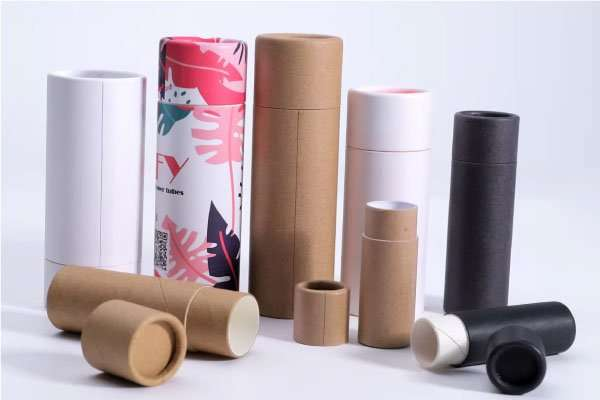
Two paper tubes can look almost identical on a quotation sheet and still come from manufacturers with completely different production models, minimum order quantities and technical capabilities. A buyer comparing only the unit price on that sheet may not notice this until sampling begins, or worse, until a repeat order reveals that the supplier who won on price cannot actually support the volume, structure or turnaround the brand needs six months later.
Many UK procurement teams encounter unexpected difficulties when ordering paper tube packaging for the first time. The tube itself is a simple object. The business behind it is not, and the differences between suppliers tend to matter far more once an order moves past the sample stage.
What to Establish Before Comparing Anyone
Before a UK buyer even opens a second supplier’s quotation, there are questions worth answering internally first. Is the tube primary packaging, holding the product directly, or secondary packaging, protecting a bottle, jar or vial inside it? Coffee packaging and perfume containers may both use paper-based tubes, but their functional requirements differ greatly. A coffee pack focuses on preserving freshness, while perfume packaging must securely hold and protect a fragile glass bottle.
Food-contact requirements change the calculation considerably. A brand packaging loose-leaf tea or spice blends needs different compliance documentation than a brand packaging a solid cosmetic stick, and not every manufacturer maintains the same depth of experience across both categories. Moisture and oxygen barriers matter enormously for coffee, where roasted beans degrade quickly once exposed to air, and rather less for a candle, where heat tolerance during production matters more than long-term barrier performance.
Wall strength, whether inserts are required to secure a bottle or jar, closure style, and whether the packaging needs to function purely practically or also carry a premium retail presentation for cosmetics, supplements or luxury gifting, all shape which supplier is actually worth approaching. A brand that settles these questions before requesting quotations tends to compare suppliers far more usefully than one that simply asks five manufacturers for “a price on paper tubes” and waits to see what comes back.
Construction and shipping performance are closely linked in ways that are easy to underestimate until a batch arrives with dented corners. Wall thickness, tube diameter and overall structural rigidity all affect how well a package survives transit, and this is where tube specifications and shipping protection become one and the same treated as one combined design requirement instead of being listed as two independent specifications.
Why the Supplier Behind the Tube Matters More Now
Supplier selection has become a more consequential decision as the UK market itself has shifted. Recent coverage of the UK paper tube packaging market illustrates how manufacturers serving Britain now compete on genuinely different strengths, from large-scale fibre packaging infrastructure through to specialist applications, order accessibility and UK-based fulfilment. That range means the company behind the tube has become as important a purchasing consideration as the tube’s specification itself.
Five suppliers a UK buyer is likely to encounter during this kind of search illustrate the point well: Sonoco, Smurfit Westrock, Earthycores, Visican and Corex. None of them are interchangeable, and none of them are competing for the same buyer in every scenario.
Sonoco brings the advantages of a major packaging organisation: substantial technical experience, production scale and established rigid paper packaging capability built up over more than a century. That makes it a sensible choice where production scale and infrastructure matter heavily, particularly for buyers with volume requirements that smaller specialists aren’t structured to absorb. The trade-off isn’t a quality question. Large packaging manufacturers usually operate under purchasing conditions that differ significantly from those of smaller suppliers focused on customised, limited-volume production.
Smurfit Westrock carries similar scale advantages through its fibre-based packaging business, which extends well beyond tubes into broader paper and fibre packaging more generally. This wider product range works well for businesses that prefer one supplier capable of handling several packaging types, not just paper tubes. The trade-off again comes down to focus rather than capability: tubes represent one part of a much larger operation, not necessarily the company’s central specialism.
Earthycores occupies a different position, built specifically around custom consumer-facing paper tubes for the UK market. It operates through a dedicated UK warehouse, runs FSC and BRCGS-certified production, and sets its minimum order quantity from 1,000 units, considerably more accessible than the volumes larger organisations typically require to start a run. Custom sizing, printing and premium finishing capabilities make it a relevant option for UK coffee, cosmetics, supplements, premium food and luxury brands that need customised packaging without committing to industrial-scale order volumes. That accessibility is its strongest purchasing case, not a claim to being the largest or cheapest option available.
Visican stands out in the UK market for its work in paper-based tube packaging designed specifically for food products. A buyer whose first priority is documented food-contact compliance is likely to evaluate Visican quite differently from a luxury cosmetics brand chasing a decorative finish, or a smaller company focused primarily on accessible custom run sizes.
Corex brings a fibre-based packaging background that extends beyond decorative consumer tubes, which suits buyers looking to consolidate several packaging requirements under one supplier relationship rather than sourcing tubes and other formats separately.
Ranking Them for a Specific Buyer, Not in General
For a hypothetical UK buyer sourcing custom consumer-product paper tube packaging specifically, rather than industrial volume or food-grade compliance as the primary driver, the order might reasonably run: Sonoco first, Smurfit Westrock second, Earthycores third, Visican fourth and Corex fifth. This is not a ranking of company size, revenue or overall corporate standing. It reflects fit for one particular purchasing scenario, and it would shift considerably under different circumstances. A large-volume industrial buyer, a food producer with a specific compliance structure to satisfy, and an independent cosmetics brand ordering a few thousand heavily decorated tubes would not necessarily arrive at the same order at all, and in several of those scenarios a supplier ranked lower here would move to the top of the list.
Appearance Is Part of the Specification
Technical performance only tells half the story. Foil detailing, embossing, print quality and tactile finish all influence how a product is perceived before a customer has opened it, and this matters more in categories like cosmetics, perfume, supplements and premium goods than in more functional packaging applications. The principles behind premium packaging design apply just as directly to a paper tube as to any other packaging format, and a buyer weighing supplier options should treat finish quality as part of the specification rather than a decorative afterthought decided once the technical brief is already locked.
Reading a Quotation Properly
A lower unit price on a quotation rarely tells the full story of what an order will actually cost. Minimum order quantities affect how much capital gets tied up before a single unit ships. Sampling costs and turnaround affect how quickly a brand can move from concept to production. The quoted price alone does not show what a supplier will ultimately cost a business. Expenses tied to warehousing and transport, losses from items that fail inspection, and the supplier’s ability to deliver the same quality and specifications across future production runs can have a much greater impact on the overall value of the partnership. A brand holding excess inventory because a supplier’s minimum order was poorly matched to actual demand has absorbed a cost that never appeared on the original quotation at all.
There is no universally correct paper tube manufacturer for a UK buyer, and any guide claiming otherwise is oversimplifying a genuinely varied market. The right supplier depends on the product being packaged, the structural and regulatory requirements involved, order volume, customisation needs, UK supply expectations and the buyer’s own priorities. The strongest procurement decision is the one where a supplier’s actual capabilities match the specification in front of them, rather than defaulting to the largest name or the lowest quote on the page.