Shopping for glasses should be straightforward, but eyewear descriptions often assume that customers already understand terms such as browline, geometric, full-rim and bridge width. Without that vocabulary, it is easy to choose a frame because it looks appealing in one photograph, only to discover that its proportions or construction do not suit everyday use.
Learning the basic terminology makes it easier to compare frames across different websites and price points. It also helps shoppers distinguish between shape, size and construction, three factors that are related but not interchangeable.
This guide explains the most common frame shapes and technical terms in plain English, along with the practical details to check when shopping for affordable prescription eyewear.
Rectangle Frames
Rectangle frames have lenses that are wider than they are tall, with relatively straight upper and lower lines. The corners may be sharp or slightly rounded.
Their clean structure makes them a common choice for work, study and everyday wear. They can introduce contrast to softer facial features and often look particularly defined on round or oval faces. However, face-shape advice should be treated as a starting point rather than a rule.
Narrow rectangular glasses tend to feel restrained and professional. Deeper rectangular lenses create a more contemporary look and may offer more vertical space for certain lens types.
When comparing rectangle frames, check the total width carefully. A wide-looking shape can still be too narrow at the temples if the frame measurements are unsuitable.
Square Frames
Square frames usually have similar lens width and height, although the exact proportions vary. Their corners create a strong, structured outline around the eyes.
Thin square frames can look modern and minimal, while thick acetate versions make a bolder statement. They are often recommended for round or oval faces because the angles create visual contrast, but the wearer’s features and preferred style matter just as much.
Oversized square frames are popular as fashion accessories, but size should not be confused with shape. A frame can be square without being oversized, and an oversized frame may use rounded or geometric lenses.
Round Frames
Round frames use circular or nearly circular lenses. They can range from small metal designs with a vintage character to larger acetate frames with a more artistic appearance.
The curved shape can soften angular facial features, which is why round glasses are frequently suggested for square or rectangular faces. Smaller round frames may look traditional or academic, while larger versions feel more expressive.
With round glasses, lens height deserves attention. A perfectly circular lens can extend higher and lower than a narrow rectangular design, affecting how the frame sits in relation to the eyebrows and cheeks.
Oval Frames
Oval frames are curved like round glasses but are usually wider horizontally. They offer a softer outline without creating a complete circle.
This shape can be a useful middle ground for people who find rectangular frames too severe and round frames too distinctive. Narrow oval glasses may have a subtle retro influence, while larger versions can look polished and contemporary.
The amount of curve matters. Some oval frames are almost rectangular with softened corners, while others have a clearly elongated, rounded lens.
Cat-Eye Frames
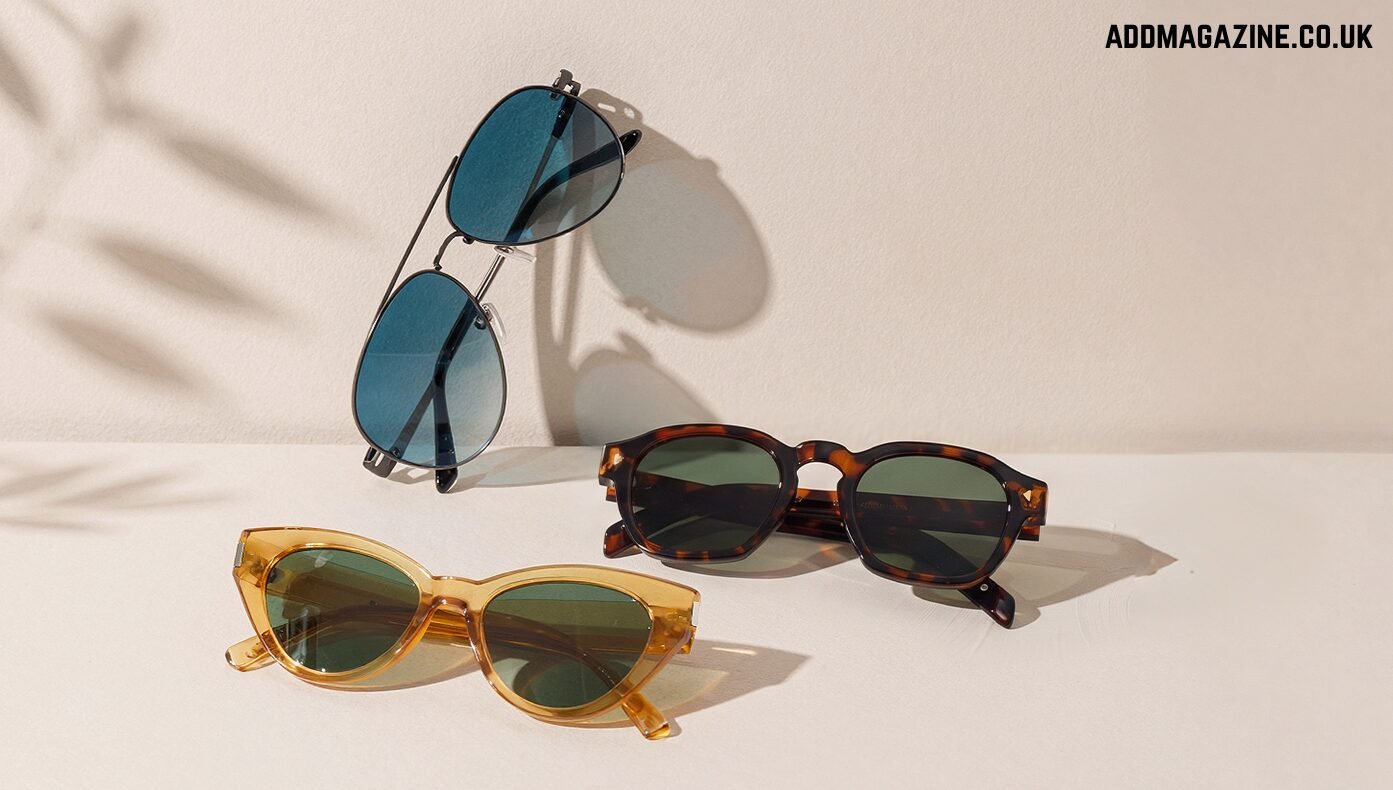
Cat-eye frames rise towards the outer corners. The upward angle may be slight and understated or sharp and dramatic.
Traditional cat-eye glasses are associated with vintage glamour, but modern versions include clear acetate, neutral colours and simplified outlines. A gently lifted frame can work in professional settings, while a thicker or more pointed design becomes a stronger fashion accessory.
Cat-eye is a broad category rather than one fixed shape. Shoppers should compare the width, lens depth and degree of lift instead of assuming all cat-eye frames will fit or look alike.
Aviator Frames
Aviator glasses are usually recognised by their teardrop-shaped lenses, thin frame and double bridge. Although the design originated in sunglasses, it is also widely available as prescription eyewear.
Traditional aviators have metal rims, but modern interpretations may use acetate or combine different materials. Some retain the classic teardrop lens, while others use a flatter lower edge for a more restrained appearance.
The double bridge is a defining style feature, but it does not determine how securely the glasses will fit. Nose-pad position, bridge width and overall frame width remain important.
Browline Frames
Browline glasses have a heavier or more prominent upper frame and a thinner lower rim. The design draws attention to the eyebrow area, which explains the name.
Classic browline frames often combine acetate across the top with metal around the lower part of the lenses. Modern versions may recreate the same visual effect using one material.
Because the upper line is strong, shoppers should consider how it interacts with their natural eyebrow shape. The frame does not need to follow the brows perfectly, but the two lines should feel visually balanced.
Geometric Frames
Geometric frames use shapes that do not fit neatly into round, square or rectangular categories. They may be hexagonal, octagonal or asymmetrically angled.
Some geometric glasses are subtle, with only a few flattened edges. Others are deliberately sculptural and designed to become the main feature of an outfit.
These frames demonstrate why exact measurements are more useful than shape labels alone. Two hexagonal frames can have very different widths, lens heights and visual weight.
Oversized Frames
“Oversized” describes scale rather than a specific lens shape. Oversized glasses may be square, round, cat-eye or geometric.
Larger frames can create a confident look and provide a broad visual field. However, they need to sit securely without resting heavily on the cheeks or sliding down the nose.
Lens weight should also be considered. A large frame combined with a strong prescription may produce thicker or heavier lenses, depending on the lens material and design. Shoppers should check whether the frame is suitable for their prescription before choosing it solely for its appearance.
Rimless Frames
Rimless glasses do not have a complete frame surrounding the lenses. The bridge and temples are attached directly to the lenses, creating a light and minimal appearance.
Because the lenses are more exposed, careful handling can be important. The final shape is largely determined by how the lenses are cut, so rimless glasses can still be rectangular, oval or geometric.
Rimless should not be confused with semi-rimless. Semi-rimless frames have a partial rim, commonly along the top, while another section of the lens is held in place by a fine cord or similar system.
Full-Rim, Semi-Rimless and Rimless
These terms describe frame construction:
- Full-rim glasses have material completely surrounding each lens. They are available in the widest range of shapes, colours and materials.
- Semi-rimless glasses surround only part of each lens, often creating a lighter look than full-rim frames.
- Rimless glasses attach the bridge and temples directly to the lenses, producing the most minimal appearance.
Construction can affect style, weight, maintenance and suitability for different prescriptions. A shopper should consider both the visual effect and the practical requirements of the selected lenses.
Understanding Frame Measurements
Shape names describe appearance, but measurements provide more reliable information about fit. Three numbers are often printed inside the temple of a frame, such as 51-18-140.
These usually refer to:
- Bridge width: the distance between the two lenses where the frame sits across the nose.
- Temple length: the length of the arms extending towards and around the ears.
Some product pages also provide total frame width and lens height. These figures are useful when comparing a new frame with an existing pair that fits comfortably.
A difference of a few millimetres can change how glasses feel. A narrow frame may press at the temples, while an overly wide frame may slide or sit unevenly. Bridge design also matters because two frames with the same stated bridge width may rest differently on the nose.
Common Frame Materials
Frame material affects appearance, weight, flexibility and care requirements.
Acetate is a plant-derived plastic material widely used for full-rim frames. It allows for rich colours, translucent effects and layered patterns such as tortoiseshell. Acetate frames can feel substantial, although their weight depends on thickness and overall design.
Injection-moulded plastic can be lightweight and economical. Quality varies, so construction and finish should be evaluated rather than judging the material by price alone.
Metal frames usually create a thinner and lighter visual profile. Common finishes include silver, gold, black and rose gold. Many metal frames use adjustable nose pads, which can help with fit.
Mixed-material frames combine elements such as acetate fronts and metal temples. Browline and contemporary aviator designs often use this approach.
No single material is automatically best. The right choice depends on comfort, preferred style, prescription requirements and how the glasses will be used.
What “Affordable” Should Really Mean
Affordable glasses are not necessarily the pair with the lowest advertised frame price. The complete cost may include prescription lenses, lens thickness, coatings and delivery.
Before ordering affordable prescription glasses, compare what is included in the displayed price. Determine whether standard prescription lenses are part of the offer and which upgrades create additional charges.
Value also involves how often the glasses will be worn. A slightly more expensive frame that fits well and suits several settings may provide better value than a cheaper pair that remains unused because it feels uncomfortable.
Direct-to-consumer retailers can sometimes offer a wider selection at accessible prices by selling primarily through their own online stores. Aoolia, for example, offers frames starting at $18.95 alongside virtual try-on, face-shape guidance and several prescription lens options.
Price matters, but it should be considered together with fit information, prescription handling, quality checks and customer policies.
Match the Shape to the Intended Use
A frame should support the circumstances in which it will be worn.
For long working days, weight and bridge comfort may be more important than choosing the most dramatic design. People who regularly use headphones should consider how thick temples feel behind the ears.
A bold frame can work well as a second pair or style accessory, while a more neutral design may offer greater versatility. Someone purchasing progressive lenses may need sufficient lens height, which can make very narrow frames less suitable.
The prescription itself may also influence frame selection. Stronger prescriptions can affect lens thickness and weight, so professional or retailer guidance may be useful before choosing a very large or rimless design.
Use Virtual Try-On Without Ignoring Measurements
Virtual try-on can help shoppers compare shapes and colours. It may quickly reveal whether a thick black square frame feels too dominant or whether a translucent oval design creates a softer result.
However, virtual try-on remains a visual estimate. Camera distance, lighting and screen size can alter how the frame appears.
Use the tool to create a shortlist, then compare the measurements with a comfortable pair already owned. The combination of visual preview and objective dimensions is more reliable than either method alone.
Choose Vocabulary Before Choosing a Trend
Understanding eyewear terminology gives shoppers greater control. Instead of searching vaguely for “glasses that suit me”, they can identify the features they prefer: a full-rim oval acetate frame, a thin metal aviator or a gently upswept cat-eye design.
This vocabulary also makes price comparisons more meaningful. Two frames may look similar in a photograph but differ in construction, dimensions and material.
The best frame does not need to follow every current trend or carry the lowest possible price. It should fit comfortably, support the prescription and feel appropriate for the wearer’s daily life.
Once those practical requirements are understood, shape and colour become easier and more enjoyable choices.
Frequently Asked Questions
What is the difference between frame shape and frame size?
Frame shape describes the outline of the lenses, such as round, square or cat-eye. Frame size refers to measurements including lens width, bridge width, temple length and sometimes total frame width.
Which frame shape suits every face?
No single shape is guaranteed to suit everyone. Face-shape guides can provide ideas, but frame proportions, eyebrow position, comfort and personal style are more useful when making the final decision.
Are inexpensive prescription glasses suitable for everyday use?
They can be, provided the prescription is handled accurately and the frame fits comfortably. Shoppers should compare the complete price, lens options, measurements, quality-control process and applicable customer policies rather than judging value from the frame price alone.