On a chilly morning, few things are more frustrating than stepping into a bathroom where the radiator refuses to deliver the warmth you expect. If you find your bathroom radiators are cold or not heating effectively, this straightforward diagnostic guide will help you identify potential issues and solutions without too much hassle.
Check Your Central Heating System
Before delving into specific radiator issues, it’s crucial to ensure that your central heating system is functioning correctly. Turn on the system and verify that other radiators in the house are heating up as expected. If the issue seems widespread, the problem might lie with your boiler or central heating controls. Check that the boiler is displaying no error codes and that the thermostat is set to a temperature above the current room temperature. If you’re unable to diagnose the issue yourself, it might be time to call in a professional.
Bleeding the Radiator
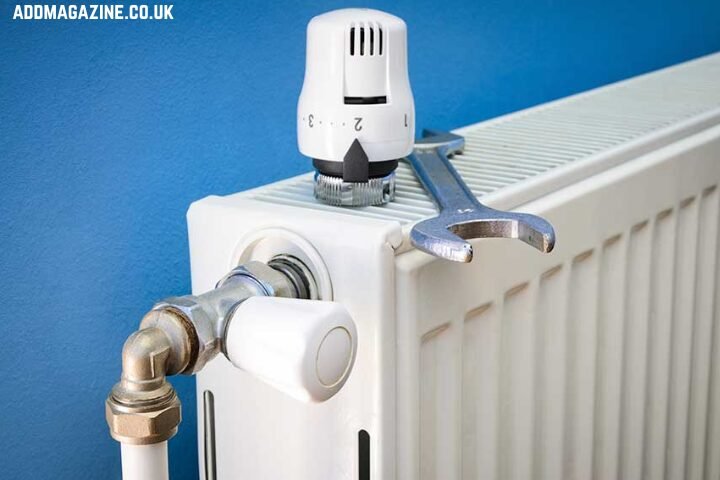
One of the most common causes of a cold radiator is trapped air within the system. Bleeding your radiator can often resolve this issue. To do this, you’ll need a radiator bleed key, which can be purchased inexpensively from most hardware stores. Switch off the heating first, then carefully insert the radiator key into the bleed valve to release any trapped air. When you loosen the valve, listen for a gentle release of air, which indicates trapped air is leaving the radiator. As soon as a steady flow of water appears, tighten the valve securely. Turn the heating system on again and see if the radiator starts warming evenly.
Inspect the Thermostatic Radiator Valve (TRV)
The Thermostatic Radiator Valve (TRV) regulates the flow of hot water into your radiator. If your radiator is cold despite your central heating working, it may be due to a faulty or stuck TRV. Carefully unscrew the TRV’s head and ensure the pin underneath is moving freely. If it’s stuck, gently tap it until it starts moving again. Replace the TRV head and test the radiator to see if it warms up.
Balance Your Radiators
An uneven heat distribution can mean that some radiators are working harder than others. Radiator balancing ensures that hot water flows evenly to all radiators. To balance your radiator, you’ll need to adjust the lockshield valve. Start by ensuring all radiators are cold, then turn your heating system back on. Open the lockshield valve on each radiator in turn and adjust them to heat up at a consistent rate. This process may require patience but can significantly improve overall efficiency.
Consider Professional Help
If after attempting these diagnostics your bathroom radiator remains cold, it may be time to call in a professional. Complex issues such as blockages in the system pipework or advanced valve and boiler problems can be challenging and unsafe to tackle without proper expertise. A professional heating engineer can assess, identify, and rectify issues efficiently, ensuring that you can once again enjoy the comfort of a warm bathroom.
Keeping bathroom radiators in good working condition is essential for creating a cosy and inviting bathroom environment. Whether your issue is small or requires professional help, taking steps to diagnose and address any issues on time can save you discomfort and potentially more complicated repairs down the line.