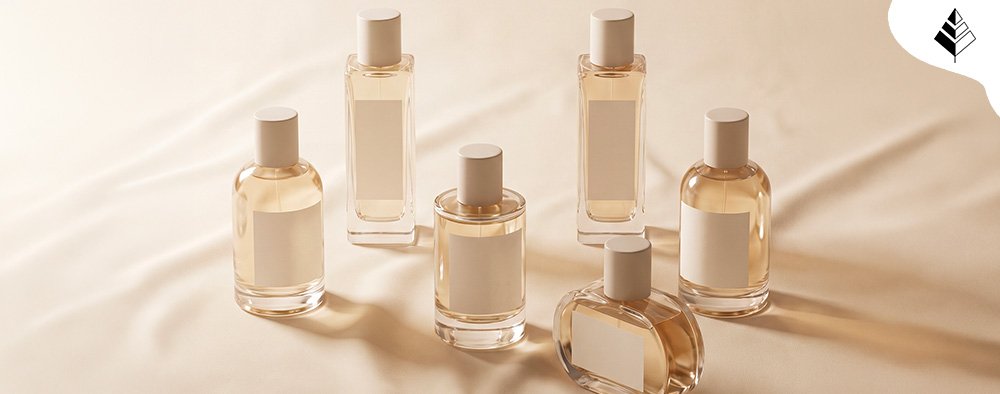
Oud, dates and spice: how fragrance houses from the Gulf became a fixture in British scent collections, and three bottles that explain it.
How fragrance houses from the Gulf ended up in British scent collections
Stand close enough to anyone on a winter platform at King’s Cross and there is a fair chance of catching it: something warm, resinous, faintly edible, and lasting far longer than it should. Ask the wearer and the answer now comes back from Dubai as often as from Paris. Over the past few years, arab perfumes have moved from specialist shops to the middle of the conversation, swapped in group chats, argued over on TikTok, and worn daily by people who would never have called themselves fragrance people. Among the houses driving it, Lattafa comes up first almost every time, with Armaf a beat behind.
A perfumery built on oil, resin and patience
Perfume in the Gulf has its own grammar. For centuries the region has worked with oud, the dark resinous heartwood, with amber, musk and rose, and with concentrated oils pressed onto the skin rather than sprayed. Bakhoor, scented wood chips burned over charcoal, perfumes clothes and rooms before anyone leaves the house. Specialist retailers such as 50 ml uk now shelve these houses beside European niche labels, which is how a good number of British buyers meet them for the first time.
The moment the Gulf houses started speaking Western
The shift came when those houses began releasing eau de parfum sprays built like European compositions, with a citrus opening, a floral or gourmand heart and a long resinous base, while keeping the density the region has always preferred. The results are unapologetically loud. They also tend to be unisex in practice, whatever the box says, which suits a market that has largely stopped caring about separate counters for men and women. Bold bottle design and an eager presence on social platforms did the rest.
Lattafa Khamrah: dates, cinnamon and something like a bakery
Launched in 2022, Khamrah is the release that pulled a great many newcomers towards arab perfumes in the first place. The fragrance starts with a warm mix of bergamot and spices, led by cinnamon and nutmeg. As it develops, sweet date and praline notes emerge, while tuberose adds a floral edge that balances the richness. Vanilla and tonka bean shape the dry-down, joined by amberwood, myrrh and benzoin for a smooth, resinous finish. It smells of spiced fruit and warm sugar. Cold weather suits it, a warm room makes it enormous, and two sprays are usually plenty.
Lattafa Asad: pepper, tobacco and coffee
Asad arrived a year earlier and works in the opposite direction, dark rather than sweet. Black pepper, pineapple and tobacco sit at the top, then coffee, patchouli and iris, closing on amber, vanilla, dry woods, benzoin and labdanum. The fruit reads as a flicker of brightness rather than anything tropical.
Armaf Club de Nuit Intense Man: citrus over smoke
The oldest of the three was released in 2015 by Armaf, the fragrance arm of Dubai-based Sterling Perfumes. Lemon, apple, blackcurrant, bergamot and pineapple open sharply, rose and jasmine sit underneath, and birch adds a smoky, almost leathery edge before musk, ambergris, patchouli and vanilla take the base. It is the least sweet of the three and the easiest to wear in daylight. It took Consumer Fragrance of the Year at the Beautyworld Middle East awards in 2022.
A useful way in is to work backwards from the base. Anyone drawn to vanilla and resin will find the sweeter releases obvious. Anyone who reaches for smoke and dry wood should start at the other end. The region has been making both for a very long time, and the rest is a question of how loudly you want to be noticed.