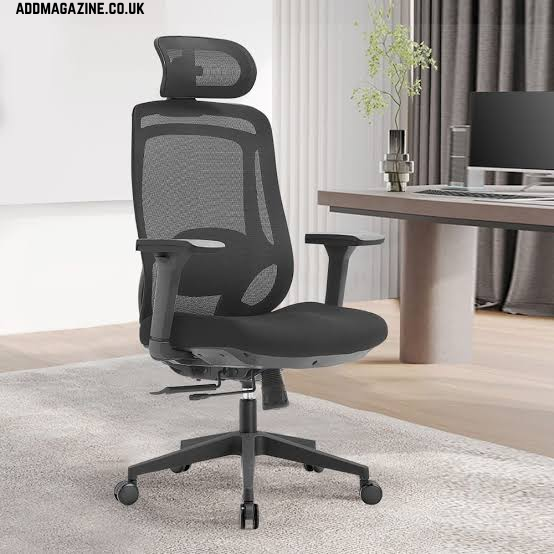
Choosing office chairs for a business is about much more than picking a color or finding the lowest price. Employees may spend eight, ten, or even twelve hours a day in these chairs, so the design, adjustability, materials, and durability all matter. A model such as the Steelcase Amia Chair and Herman Miller Desk Bundle can be part of a well-planned office setup, but businesses still need to look beyond individual products and compare manufacturers, construction quality, warranties, and long-term service.
The difficult part is knowing which manufacturers can actually deliver reliable commercial seating. Office Logix Shop provides one example of how established office furniture models can remain useful beyond their first ownership period. Still, businesses should compare manufacturers, adjustment options, materials, warranties, and maintenance requirements before making a large order.
Why the Manufacturer Matters When Buying Office Chairs
The office furniture market is crowded with new brands and heavily advertised products. A chair may look impressive online, but marketing doesn’t tell you how well its mechanisms will work after years of daily use.
Established manufacturers such as Herman Miller, Steelcase, and Haworth have built their reputations around commercial furniture and ergonomic research. Their chairs are generally designed for regular workplace use and often include replaceable or serviceable components.
For a business, that matters because replacing hundreds of inexpensive chairs every few years can cost more than investing in durable models from the start. A good supplier should also be able to explain how a chair fits different body sizes, working styles, and desk setups.
Herman Miller: A Strong Choice for Dynamic Support
Herman Miller began as the Star Furniture Company in 1905 and adopted the Herman Miller name in 1923. The company is based in Zeeland, Michigan, and is now part of MillerKnoll. Its office chairs are particularly known for flexible support systems and designs that encourage movement instead of keeping the body completely still.
Aeron Classic
The original Aeron Classic has been discontinued by the manufacturer, but it remains popular in refurbished office furniture. A fully loaded version can include forward tilt, rear tilt lock, manual tension adjustment, adjustable lumbar support, and soft casters.
Its lumbar system can use either an adjustable lumbar pad or PostureFit. The Pellicle suspension mesh also allows air to move around the body, which can be useful during long work sessions.
The refurbished specification in the source includes:
| Specification | Details |
| Model | Herman Miller Aeron Classic |
| Lumbar | Adjustable lumbar pad or PostureFit |
| Tilt | Forward tilt and rear tilt lock with tension control |
| Colors | Graphite, blue mesh, red mesh, green mesh |
| Condition | Certified refurbished, 9-point inspection |
| Warranty | 5-year mechanical and component warranty |
The refurbishment process includes complete disassembly, deep cleaning, mechanical inspection, replacement of worn components, calibration, and stress testing.
Aeron Remastered
The Aeron Remastered arrived in 2016 after two decades of feedback and design improvements. One of its main differences is the 8Z Pellicle mesh, which uses eight separate tension zones across the seat and back.
The chair also offers adjustable lumbar support, arms that move in height, width, depth, and pivot, a tilt limiter, tension adjustment, and pneumatic height control.
It comes in three sizes:
- Size A: intended for smaller users, generally under 5 feet 4 inches and 150 pounds.
- Size B: the general-purpose size for most users, roughly 5 feet 3 inches to 6 feet.
- Size C: a larger version with a deeper seat and taller back, designed for larger users, including those above 250 pounds.
The refurbished version described in the source has a 2-year mechanical warranty, with the mesh, gas cylinder, arm pads, and moving components inspected or refreshed.
Mirra 2 and Embody
The Mirra 2 is another Herman Miller model built around movement. Its Butterfly Back responds to changes in posture, while the Flex Front seat edge can be adjusted to reduce pressure behind the knees. It has pivoting armrests, adjustable lumbar support, eight key adjustments, soft casters, and a weight capacity of up to 350 pounds. The refurbished version described carries a 2-year mechanical warranty.
The Embody focuses on spinal movement and weight distribution. Its Pixelated Support system is designed to spread pressure across the seat and back, while Backfit Adjustment allows users to change the spine support to match their back. The listed dimensions are 42 to 43.5 inches high, 29.5 inches wide, and 29 inches deep, with a seat height of 16 to 20.5 inches and a tested weight capacity of 300 pounds. The refurbished model carries a 5-year mechanical warranty.
Steelcase: Detailed Adjustment for Different Users
Steelcase dates back to 1912, when it was established as the Metal Office Furniture Company. Today, the company is known for workplace research and highly adjustable seating. Its products are particularly useful for businesses that need chairs that can accommodate employees with different heights and body shapes.
Leap V2
The Leap V2 uses LiveBack technology, which changes shape as the user moves. Its adjustment system includes seat depth, lumbar height and depth, four-direction arm adjustment, and recline tension.
The refurbished version described in the source includes new fabric, additional high-density foam, a new BIFMA-certified pneumatic cylinder, five soft casters, and replacement arm pads.
It can accommodate users from 5 feet to 6 feet 4 inches and has a weight capacity of up to 400 pounds. The listed refurbishment warranty is 5 years.
Amia and Think
The Steelcase Amia uses LiveLumbar, a system inside the backrest that flexes with the user’s movements. It also has adjustable seat depth, a flexible seat edge, height-adjustable arms, and tension control.
Its listed dimensions are 37.25 to 42.5 inches in height, 26.625 inches in width, and 21.75 to 24.75 inches in depth. The seat height ranges from 16 to 21 inches, and the refurbished version carries a 5-year mechanical warranty.
The Steelcase Think takes a slightly different approach. Its LiveBack system adapts to changes in posture, while the weight-activated mechanism adjusts recline resistance according to the user. It also includes 4D arms, synchronized tilt, rear tilt lock, adjustable lumbar support, and breathable black fabric.
The Think is especially suited to compact work areas because of its smaller footprint. The refurbished version in the source has a 2-year mechanical warranty.
Haworth: Flexible Seating With Strong Lumbar Options
Haworth was founded in 1948 and grew from a woodworking business into a global office furniture manufacturer. Its chairs focus on ergonomic adjustment, commercial durability, and flexible workplace design.
Zody
The Haworth Zody stands out because of its asymmetric lumbar support. Instead of applying exactly the same pressure to both sides of the lower back, the system lets users adjust the left and right sides independently.
The chair also includes 4D arms, adjustable seat depth, tilt tension control, a multi-position recline lock, and a breathable mesh back.
The refurbished specification lists a height range of 38 to 43 inches, a width of 29 inches, a depth of 29 inches, and a seat height range of 16 to 21 inches. The product is backed by a two-year warranty covering its mechanical components
Very
The Haworth Very combines a breathable mesh back with adjustable lumbar support, multi-position arms, synchronized tilt, and seat depth adjustment. The refurbished model described uses light gray fabric, supports up to 325 pounds, and comes with a 2-year mechanical and component warranty.
One interesting point is that the lower price of this particular batch is linked to its less common light gray upholstery rather than the standard black finish. The underlying commercial construction and ergonomic features remain part of the chair.
What Should a Business Look for in a Chair Supplier?
Picking a manufacturer is only part of the process. The supplier matters too, especially when a company is ordering multiple chairs.
A useful supplier should be able to answer practical questions about:
| What to Check | Why It Matters |
| Adjustment range | Helps different employees achieve a proper fit |
| Weight capacity | Prevents unsuitable chairs from being assigned to users |
| Seat depth | Important for thigh support and leg comfort |
| Lumbar adjustment | Allows different users to position lower-back support |
| Armrest movement | Helps reduce shoulder and wrist strain |
| Recline controls | Supports different working and resting positions |
| Warranty | Reduces the financial risk of mechanical failures |
| Refurbishment process | Shows whether used furniture has actually been restored |
A supplier should also understand that one chair does not fit everyone. Shorter employees may need a lower minimum seat height, while taller employees may need a deeper seat and higher backrest. Herman Miller’s Aeron, for example, uses three different size configurations, while models such as the Leap V2 offer a broad adjustment range.
Does Refurbished Furniture Make Sense for a Business?
For companies furnishing an entire office, buying premium chairs new can quickly become expensive. The source notes that many flagship models can cost more than $1,600 to $1,800 each, while professionally refurbished models may be available at 60% to 70% below retail pricing, depending on the model.
However, refurbished should not simply mean “used.”
A proper refurbishment may involve taking the chair apart, cleaning and sanitizing it, replacing worn gas cylinders, casters, arm pads, fabric, or foam, checking the mechanisms, and testing the finished chair. A warranty is another important sign that the supplier stands behind the restoration.
This can make refurbished commercial seating worth considering when the goal is to control costs without moving all the way down to low-cost furniture.
What About Newer Office Chair Designs?
Not every business needs a traditional manufacturer. Some newer chair designs focus on solving specific problems found in conventional office furniture.
The OfficeLogix Midan, for example, uses a continuous piece of mesh that extends from the backrest into the seat, removing the traditional gap between those sections. It has an Italian Donati multifunction mechanism, 4D arms, an adjustable lumbar system, an integrated removable headrest, and an infinite tilt lock that can secure the chair between 90 and 150 degrees. Its listed seat dimensions are 18 by 19 inches, seat height is 16 to 21 inches, overall height reaches 47 inches, and weight capacity is 350 pounds.
The Nova Logix takes another approach with a 32-plus-inch backrest, a seat depth adjustment from 17.5 to 21.5 inches, a seat height range of 17.5 to 22.5 inches, and a weight capacity of 350 pounds. Its Italian Donati mechanism and high back design are intended to provide a broad adjustment range.
These examples show why businesses should compare technical specifications instead of choosing a chair based only on brand recognition.
What Makes a Premium Chair Different From a Budget Model?
The difference usually comes down to materials, mechanisms, adjustment range, testing, and expected service life.
Premium commercial chairs often use stronger frames, more advanced recline systems, breathable mesh or high-quality upholstery, and mechanisms designed for frequent use. They may also have higher weight capacities and longer warranties.
Budget chairs can still work for some users, but businesses should pay close attention to thin mesh, low-density foam, limited adjustment, brittle plastic components, and short warranty periods. A lower purchase price isn’t necessarily a lower total cost if the chair needs to be replaced after only a few years.
Can Office Chairs Be Used for Gaming and Home Offices?
Absolutely. A chair doesn’t have to be labeled a gaming chair to work well for gaming.
Ergonomic commercial chairs can provide adjustable arms, recline control, lumbar support, and flexible backrests that are useful during long gaming sessions. The same approach works just as well when setting up a home office. A professional task chair can work just as well in a residential workspace as it does in a corporate office, provided its dimensions and adjustment range fit the user.
Final Thoughts
Finding the right office chair manufacturer starts with looking beyond advertising. Herman Miller, Steelcase, and Haworth remain important names because their products are built around ergonomic research, commercial use, and long-term adjustability. Newer manufacturers and refurbishment specialists can also offer useful alternatives when budget, availability, or specific features matter.
For a business, the best choice isn’t necessarily the most expensive chair. It’s the model that fits the users, supports the required working style, has suitable technical specifications, and comes from a supplier that can provide dependable service and warranty coverage.
Taking the time to compare those details can make office furniture a long-term workplace investment rather than another recurring replacement expense.