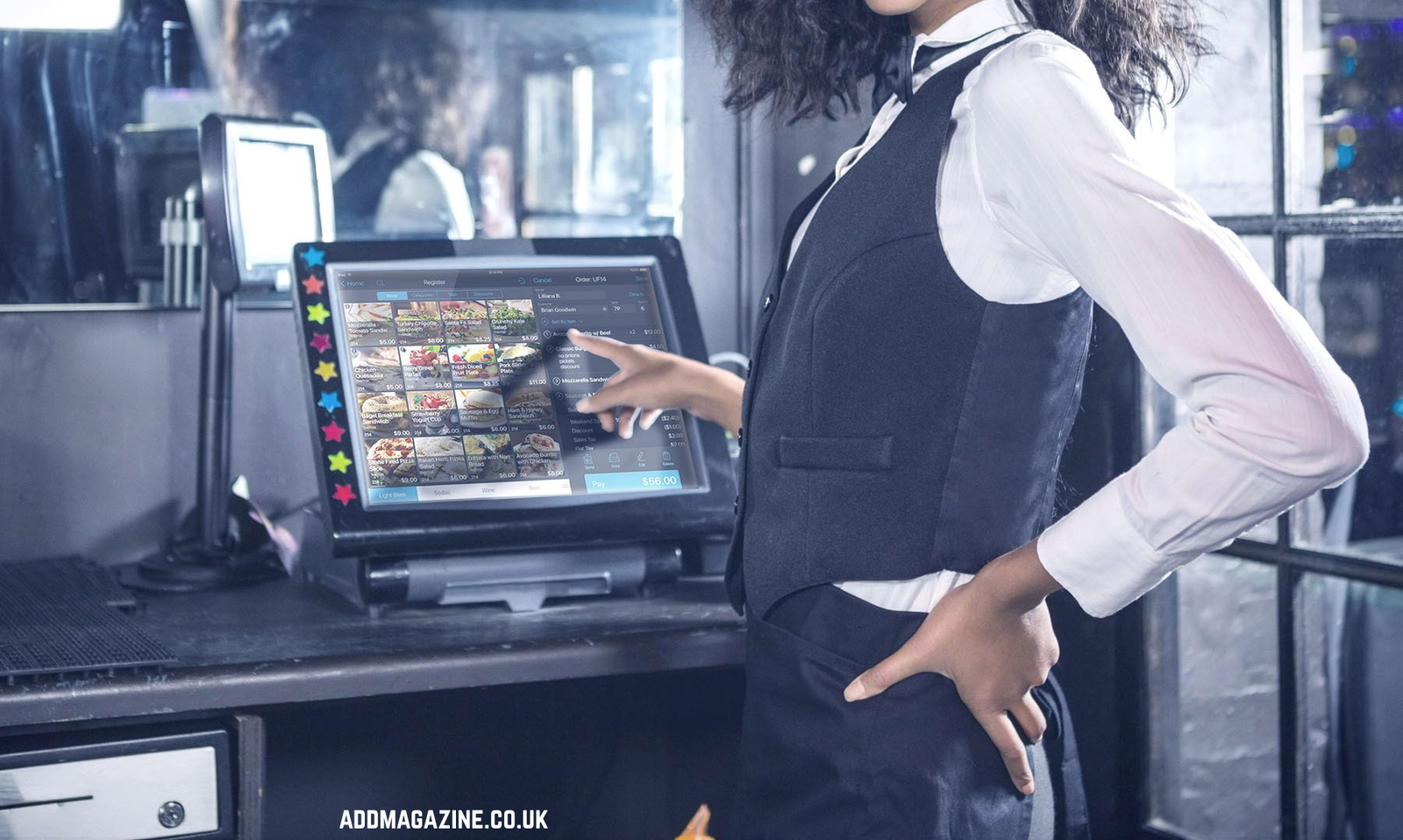
A wrong order rarely comes down to one mistake. It is usually a small chain of them: an order taken quickly at the counter, a handwritten ticket that gets smudged, a kitchen team trying to read someone else’s handwriting during a rush. By the time the food reaches the customer, the original request has changed just enough to cause a complaint or a remake.
This is why more restaurants are looking closely at how their point of sale system connects to the kitchen, rather than treating the two as separate problems.
Where the Breakdown Usually Happens
Most restaurants already have a POS system for taking orders and payments. The gap tends to appear right after that, in the handoff between the front of house and the kitchen. Several recurring issues can disrupt the order process:
- Handwritten tickets that get misread during busy periods
- Printed tickets that are lost, smudged, or fall behind the printer
- Modifications and allergy notes that get missed because they were added verbally rather than written down
- Orders from different channels, counter, app, delivery, arriving in inconsistent formats
None of these failures are really about staff carelessness. They are what happens when order information has to pass through too many manual steps before it reaches the person cooking the food.
What a Kitchen Display System Actually Changes
A kitchen display system removes several of those manual steps by sending order information straight from the POS to a screen in the kitchen. There is no handwriting to misread and no paper ticket to lose. Every order, whatever channel it came from, appears in the same clear, standardised format.
This matters more than it might sound. Independent industry benchmarking has found that average order accuracy across major restaurant chains sits at only 86 to 89 percent, meaning roughly one in seven or eight orders contains a mistake even at heavily audited operations. Restaurants that are not tracking this closely have little reason to assume they are doing any better.
The improvement comes from a few specific changes. Modifiers and special instructions are shown clearly rather than scrawled in the margin of a ticket. Orders can be routed automatically to the right station, grill, fryer, or packing, without someone manually sorting them. And because the screen pulls directly from the POS, there is no second point where a mistake can be introduced through re-entry.
Why This Pairing Matters More As Restaurants Grow
A single, quiet restaurant can often get by with paper tickets and a sharp-eyed manager catching mistakes before they go out. That approach stops working once order volume increases, whether that is from more covers, more delivery platforms, or simply a busier service.
At that point, the combination of a POS that captures orders accurately and a KDS that displays them clearly becomes less of a nice-to-have and more of an operational necessity. It is the difference between a kitchen that stays in control during a rush and one that starts falling behind by 7pm.
A Change Worth Making Before It Becomes Urgent
Like most operational upgrades, this tends to get put off until a bad week forces the issue, a wave of complaints, a spike in refunds, a particularly chaotic Saturday night. But the restaurants that treat order accuracy as something to actively manage, rather than something to fix after it becomes a problem, tend to spend a lot less time cleaning up avoidable mistakes.
Pairing a reliable POS with a proper kitchen display system will not fix every operational challenge a restaurant faces. But it removes one of the more common and most preventable sources of error, and that alone is often enough to notice the difference within the first few weeks.