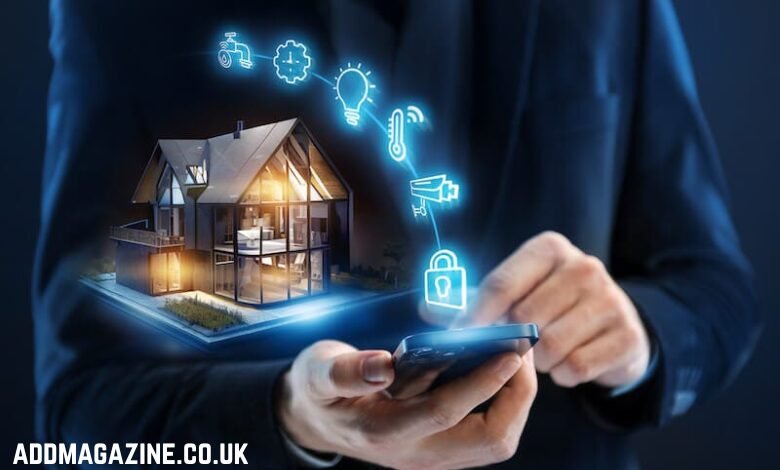
Smart technology has shifted from being a luxury or novelty to a fundamental part of modern living. Over the past decade, connected devices, automation, and artificial intelligence (AI) have moved beyond simple convenience to become tools that actively streamline daily routines. From managing household chores to optimising work productivity, these technologies are increasingly woven into personal, professional, and public spaces. Education, travel, and health management also benefit from smart devices, enabling users to monitor schedules, track wellness metrics, and navigate transportation systems more efficiently.
The constant evolution of these devices means that daily tasks can be automated, alerts can be received in real-time, and complex processes can be simplified, freeing up time for focus, creativity, and leisure. In essence, smart technology is not merely about digital innovation—it is shaping the way people interact with their environment and manage their time.
Practical Applications — Smart Devices That Make Life Easier
Smart devices now play an integral role across homes, workplaces, health management and mobility. At home, smart thermostats learn household routines to optimize energy use as well as automating lighting, while voice assistants allow seamless control of lighting, appliances and entertainment systems. Security is enhanced with connected cameras and sensors, offering real-time monitoring and remote alerts. In workplaces, AI-powered scheduling assistants, connected conference systems, and collaborative platforms streamline communication, reduce administrative tasks and support remote working arrangements. Health and wellness also benefit from technology: wearable trackers monitor sleep, activity and heart rate, while mobile apps enable remote consultations, medication reminders and personalised wellness guidance. Even travel has become more intuitive, with smart GPS systems, traffic prediction tools and connected vehicles improving safety, efficiency and convenience. All this and more are available, but the problem persists in that these items and products can be expensive. High-end devices for making life easier are typically pricey, which means that budget shoppers typically find these out of reach.
Among companies driving these developments, Samsung has emerged as a leader in smart innovation. Its ecosystem includes smart home devices, wearables, mobile devices and appliances designed to integrate seamlessly across everyday environments. This integration demonstrates the potential of connected systems to improve efficiency, comfort and well-being. Better still, accessibility to high-quality smart devices has been further enhanced through verified Samsung discount codes, which make it easier for more consumers to explore advanced features without overextending budgets. Samsung has taken great strides by offering such codes, making their products more accessible to the wider market. By taking advantage of such opportunities, households and professionals can adopt energy-efficient appliances, reliable home security and wearable health monitors while managing costs effectively. These savings strategies allow a broader audience to experience the practical benefits of smart technology while maintaining quality and sustainability.
Looking Ahead — The Future of Smart Living
The evolution of smart technology shows no signs of slowing, in fact, quite the opposite. In the coming years, homes and workplaces are expected to become increasingly personalised. Devices will anticipate user habits, adjusting lighting, temperature and appliance use automatically to match individual routines. Sustainability will also be a central focus, with solar integration, energy-efficient appliances and even zero-energy homes becoming more common. AI will play a larger role in health monitoring, predictive safety and personal comfort thus helping individuals make informed lifestyle choices while reducing environmental impact. Shared living spaces, such as co-living apartments, are likely to incorporate smart technology at scale, enabling resource optimisation and enhanced community safety.
This progression is not only about technological sophistication, but it is also about improving daily life. Smart living solutions aim to support healthier habits, reduce stress, save energy and improve overall efficiency. As devices become more interconnected and intelligent, users will have greater control over their environments and schedules, enabling more time for productive work, learning or simply just relaxation. For anyone navigating the complexities of modern life, integrating smart technology offers tangible benefits, from automating routine tasks to monitoring personal well-being.
Ultimately, the adoption of smart devices encourages reflection on daily routines, energy use and personal habits. By staying informed about trends and exploring tools suited to specific needs, shoppers can harness the potential of technology to simplify life at home, at work and beyond. As smart devices are evolving into practical partners in creating efficient, secure, and balanced lifestyles it’s worth the time and effort staying updated on tech trends, or even evaluating one’s own routines to see where smart tech can be beneficial.