A hitch bike rack is a game-changer for transporting bicycles safely and conveniently, especially when paired with a reliable ebike rack. Whether you are a passionate cyclist enjoying weekend rides or a commuter using an electric bike, knowing how to maintain your hitch bike rack guarantees safe, efficient, and stress-free trips. Proper care not only extends the life of your equipment but also protects your investment in both your vehicle and your bikes.
Learning About Your Hitch Bike Rack
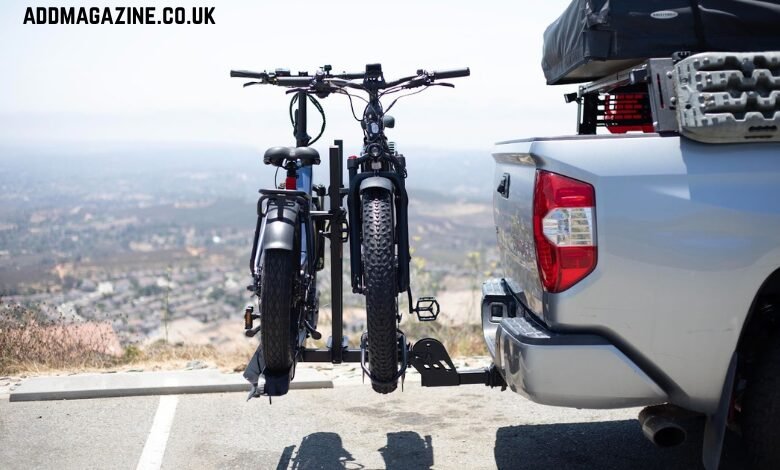
Before beginning any maintenance routine, it is important to understand the type of hitch bike rack you own. Bike racks typically come in three types: platform, hanging, and foldable models.
Platform-style racks are ideal for e-bikes because of their stability and ability to support heavier weights. Hanging racks are lighter and more compact but can strain bike frames if used incorrectly. Folding racks offer storage convenience, but they require frequent inspection to ensure all hinges and locks remain secure.
E-bike racks are designed differently as electric bikes are considerably heavier than regular bicycles. E-bikes typically weigh between 45 and 70 pounds, which may exceed the capacity of racks designed for conventional bikes. Understanding your rack’s maximum load is crucial to prevent accidents or damage during transport.
Checking Your Rack Regularly
Routine inspections are essential for both the hitch bike rack and the bicycles it carries. Inspect for any loose fasteners, fractures, or visible signs of corrosion. Pay attention to moving parts such as hinges, ratchets, and clamps, which bear the most stress. For e-bike owners, ensuring platform supports are in excellent condition is particularly important, as added weight can accelerate wear and tear.
Lubricating moving parts, especially those exposed to weather, prevents rust and ensures smooth operation. A light, weather-resistant lubricant goes a long way in reducing long-term maintenance costs and avoiding inconvenient breakdowns during trips.
Cleaning and Protecting Your Rack
Hitch bike racks can accumulate dirt, grease, and road salt, particularly during wet or snowy conditions. Regular cleaning with mild soap and water maintains the rack’s appearance and prevents corrosion. Steer clear of strong chemicals that could harm the finish or protective layers of your bike rack. Thoroughly drying the rack after washing prevents water spots and rust.
Applying protective sprays or wax on metal surfaces provides an extra layer of protection against the elements. For e-bike racks, using silicone spray on rubber straps and padding keeps them flexible and prevents cracking. These small steps ensure your rack lasts longer and continues to function reliably.
Securing Your Bikes Safely
Even a well-maintained hitch bike rack is only as safe as the way bikes are secured. Always use the provided straps, clamps, and locks. For heavier e-bikes, ensure that weight is evenly distributed across the rack. Uneven loading can create stress points on both the hitch and your vehicle frame.
Experienced riders recommend keeping the e-bike battery detached or secured separately to prevent sudden weight shifts and minimize the risk of electrical damage. Padding contact points with foam or rubber helps protect bike frames from scratches, especially during longer trips.
Winter and Seasonal Considerations
Transporting e-bikes during cold, wet, or snowy conditions requires extra care. Moisture, snow, and road salt accelerate rust on both racks and bicycles. If the rack will remain unused for an extended period, remove it and store it in a dry, temperature-controlled environment. If the rack stays mounted, cover it with a weatherproof tarp to prevent exposure.
After traveling in harsh conditions, rinse both the bike and rack to remove salt or grit. Even small amounts can cause corrosion and weaken components. Advanced riders often keep a maintenance kit in the vehicle with spare straps, lubricant, and a soft cloth for quick touch-ups while on the road.
Top Maintenance Mistakes to Avoid
Common maintenance errors include overloading the rack, ignoring minor rust spots, or failing to lubricate moving parts. These mistakes, though minor at first, can escalate into costly or dangerous problems. Another frequent oversight is neglecting the weight of e-bikes. Racks designed for multiple bikes may fail under heavier-than-expected loads.
Experienced cyclists recommend recording your maintenance schedule, such as monthly inspections or post-trip cleanings. Over time, this habit reduces the likelihood of failures and ensures safe, stress-free travel.
Final Thoughts
Maintaining a hitch bike rack for year-round e-bike transport requires regular inspections, cleaning, proper loading, and careful storage. Understanding your rack’s capacity, taking care of moving parts, and protecting it from environmental factors prolongs its lifespan and ensures a safe, stress-free ride.
Combining routine care with periodic upgrades guarantees that your e-bike adventures remain enjoyable, safe, and convenient in any season. Investing in proper maintenance provides peace of mind, long-term reliability, and ensures that your ebike rack continues to perform at its best for years to come.
FAQs
How frequently should my hitch bike rack be checked?
Bolts, clamps, and moving parts should be inspected before each trip. A more detailed inspection should be performed monthly.
Can I transport an e-bike using a conventional hitch bike rack?
Not every rack is suitable. E-bikes are heavier than standard bikes, so ensure the weight limit of your rack can support your bike safely.
Which cleaning products are safe for racks?
Warm water and mild soap are recommended. Avoid harsh chemicals and abrasive cleaners that can damage the rack’s finish.
Should the e-bike battery be removed during transport?
Yes, removing or securing the battery prevents sudden weight changes and reduces the risk of electrical damage.
How can I prevent rust on my hitch bike rack?
Regular cleaning, drying, lubrication of moving parts, and applying protective sprays help prevent corrosion and maintain the rack’s durability.