Choosing between an electric bike and a regular bike for daily use depends on how far you travel, how much effort you want to put in, and what feels comfortable for your routine. Both options are practical, affordable, and eco-friendly, but they serve different needs.
If you are commuting to work, running errands, or riding around the city every day, understanding how each type of bike performs in real life can help you make the right decision. This guide compares comfort, speed, cost, and convenience so you can choose what fits your lifestyle best.
How Do Electric Bikes Compare to Traditional Bicycles?
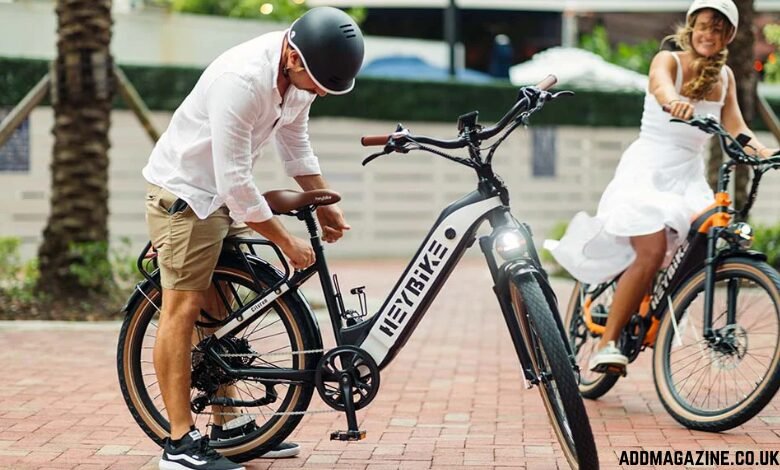
An electric bike uses a battery-powered motor to assist pedaling, while a regular bike runs only on human effort. This motor support reduces physical strain and makes longer rides easier and more comfortable.
Electric bikes usually include pedal assist or throttle features that help riders maintain a steady speed with less effort. Regular bikes rely fully on leg power, which makes them great for exercise but sometimes challenging for long or uphill commutes. Both types share similar frames and basic components, but the riding experience feels very different.
Many riders today choose electric bikes for convenience and daily practicality. As Alamin Morshed, founder of BoltBikers.com, explains, “Electric bikes make daily travel easier for people who want comfort and speed without giving up the simple experience of cycling.” His view reflects a growing trend toward electric bikes for commuting and everyday travel.
Ease Of Commuting And Daily Convenience
Daily convenience often decides which bike works better for regular use. Comfort, effort, and practicality all shape how enjoyable your ride feels over time.
Effort And Comfort
Electric bikes require less physical effort because the motor assists with pedaling. This makes them ideal for people who want a relaxed ride without arriving sweaty or tired. Riders can travel longer distances while maintaining a steady pace.
Regular bikes provide a full workout and may suit riders who enjoy active movement. However, daily commuting on a regular bike can feel demanding, especially in hot weather or during longer rides.
Traffic And City Commuting
Electric bikes help riders move smoothly through traffic and crowded streets. Faster acceleration and consistent speed make it easier to keep up with urban flow and reduce commute time.
Regular bikes work well for short distances and quieter areas. In busy cities or longer routes, electric assistance can make commuting less stressful and more manageable.
Parking And Portability
Both electric and regular bikes are easier to park than cars. They require minimal space and can be stored near offices or inside buildings. Regular bikes are lighter and easier to carry upstairs or place on racks.
Some models include removable batteries or foldable frames, which can improve portability for daily use.
Speed And Travel Time
Speed plays a major role in daily commuting decisions. Travel time, distance, and terrain can all affect which bike feels more practical for everyday riding.
Average Speed Differences
Electric bikes typically maintain higher average speeds because of motor assistance. Many riders can travel faster with less effort, especially on longer routes. This makes electric bikes useful for people who want to reduce commute time.
Regular bikes depend entirely on rider energy. Speed varies based on fitness level, traffic, and road conditions, which can make longer commutes slower.
Longer Distance Commuting
For daily travel between 5 and 20 kilometers, electric bikes often feel more convenient. Motor support helps riders maintain consistent speed without exhaustion, making longer trips manageable even for beginners.
Regular bikes work well for shorter distances. For longer daily rides, physical fatigue may become a factor, especially when commuting both ways.
Riding In Hills And Rough Terrain
Electric assistance makes climbing hills much easier. Riders can maintain steady momentum without putting excessive strain on their legs. This is especially useful in areas with slopes or uneven roads.
Regular bikes require more effort on hills and rough terrain. Experienced cyclists may enjoy the challenge, but beginners often find electric assistance more comfortable and practical for daily use.
Cost Comparison: Upfront And Long Term
Cost is one of the biggest factors when choosing between an electric bike and a regular bike. Looking at both the purchase price and long-term expenses helps you understand the real value over time.
Initial Purchase Price
Electric bikes usually cost more upfront because they include a motor, battery, and electronic components. Entry-level electric bikes often start from a few hundred dollars and can go much higher depending on battery size, motor power, and build quality.
Regular bikes are generally more affordable. Many reliable models are available at lower price points, making them a budget-friendly choice for short-distance riders or casual use. However, the higher upfront cost of an electric bike often reflects added convenience and performance.
Maintenance And Repair
Electric bikes require occasional maintenance for both mechanical and electrical parts. Battery health, brake systems, and motor components may need attention over time. While these costs are not frequent, they can be higher than standard bike repairs.
Regular bikes are simpler to maintain. Most upkeep involves tires, chains, brakes, and gears. Repairs are usually straightforward and less expensive, making regular bikes easier to maintain for long-term use.
Charging Vs Zero Fuel Cost
Electric bikes run on rechargeable batteries. Charging costs are usually low, especially compared to fuel-powered vehicles, but they still add a small ongoing expense. Battery replacement after several years is another cost to consider.
Regular bikes do not require electricity or fuel. Once purchased, they have virtually no running cost apart from basic maintenance. For riders focused purely on cost savings, this makes regular bikes very economical.
Which One Is Better For Different Types Of Riders?
The better choice depends on how and where you plan to ride each day. Electric bikes suit riders who want comfort, speed, and easier commuting over longer distances. They are especially useful for office commuters, delivery riders, and anyone who wants to reduce effort while still enjoying cycling.
Regular bikes work well for short commutes, fitness-focused riders, and those who prefer a simple and lightweight option. Students, casual riders, and people with shorter daily routes often find regular bikes practical and cost-effective.
If you are unsure which type fits your lifestyle, check this guide to explore detailed electric bike buying tips for every rider and understand what works best for your needs and daily routine.
Final Words
Electric bikes and regular bikes both offer practical and eco friendly ways to travel every day. The right choice depends on your distance, comfort needs, budget, and how much physical effort you want to use during daily rides.
Electric bikes provide speed and convenience for longer commutes, while regular bikes offer simplicity and lower upfront cost. When you choose a bike that matches your routine and riding style, daily travel becomes easier, more enjoyable, and more consistent.