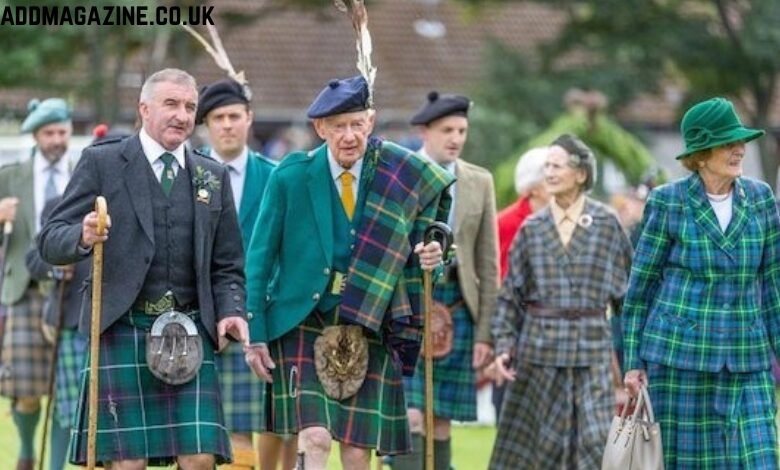
Scotland vesture blends literal origins with dateless practices and artistic applicability to produce a dynamic representation of Scotland’s rich heritage. Scotland clothing, which has its roots in the untamed Highlands, has had a significant impact both domestically and internationally. People from each over the world have been charmed by its distinct attract and strong ties to Scottish identity. Examining the origins, traditions, and artistic influence of Scottish vesture tells a tale of pride and heritage that’s still witching moment. Every point of apparel reflects Scottish history and original pride, demonstrating how vesture can celebrate a rich heritage and express artistic values.
Scotland clothing For Men
1- Kilts For Men
maybe the most iconic piece of traditional Scottish apparel is the kilt. generally constructed of woollen fabric, this knee- length skirt- suchlike garment has pleats in the reverse and is wrapped around the midriff. Men’s kilts, which date back to the early 16th century, are a classic option for anyone interested in traditional Scottish vesture. Kilt designs have changed significantly over the centuries, reflecting the aesthetic tastes and functional requirements of numerous literal ages.
- Tartan Kilt
Made from woollen fabric woven in a recognisable plaid pattern, the tartan kilt is a chief of Scottish fashion. Each tartan embodies the wear and tear’s identity and strain by representing several clans, families, or geographical areas. In the history, clan confederations and geographical origins were shown by tartan designs, each of which was specific to a group. Thanks to the sweats of individualities like Sir Walter Scott, who praised Scottish culture in his jottings, the tartan kilt gained wide recognition and fashionability in the 19th century. At formal observances like marriages, ladders, and conventional occasions, the tartan kilt is now proudly worn. It has come a worldwide symbol of Scottish heritage due to its aesthetic appeal and emblematic meaning.
- Utility Kilt
A contemporary revision created for convenience and practicality is the mileage kilt. The mileage kilt, in discrepancy to the classic tartan kilt, is composed of sturdy accoutrements like cotton or polyester and constantly has belt circles, pockets, and other useful features. A trend toward incorporating traditional Scottish vesture into ultramodern cultures is seen in this design. People who value the kilt’s literal significance but need a garment that satisfies contemporary utilitarian requirements are drawn to the mileage kilt. Because of its rigidity, it can be worn insemi-formal and casual surrounds, bridging the gap between functionality and tradition.
- Leather Kilt
A tough and fashionable cover for the conventional woollen kilt is a leather one. These kilts, which are made from ultraexpensive leather, are made to appear unique and endure wear and tear and gash. For individualities looking to blend traditional Scottish characteristics with a contemporary twist, leather kilts are constantly linked to a daring and rebellious fashion statement. Because of its life, leather is a great material for events and out-of-door conditioning where durability is pivotal. Leather kilts are also popular among fashion suckers and those who want to stand out because of its distinctive texture and appearance, which give Scottish apparel a unique faculty.
- mongrel Kilt
ultramodern fashion trends and traditional kilt design rudiments are combined in mongrel kilts. These kilts may have ultramodern or traditional tartan patterns, as well as accoutrements like denim or synthetic fabrics. The mongrel kilt is a creative take on Scottish fashion, fusing traditional and contemporary design rudiments to give a multipurpose point. Wear and tear can appreciate the kilt’s history while modifying it to fit their ultramodern fashion preferences and way of life thanks to this combination. youngish generations and individualities who value a combination of tradition and fustiness in their apparel are especially fond of mongrel kilts.
- Denim Kilt
A more relaxed take on the classic apparel is the denim kilt. Compared to the traditional woollen kilt, this denim volition is more casual and relaxed. It’s a sensible option for contemporary cultures due to its life and ease of conservation, and the addition of tartan designs or other Scottish themes keeps a link to traditional traditions.
- Tactical Kilt
Designed with functionality in mind, the politic kilt is erected for continuity and practicality. It frequently features mileage pockets, corroborated stitching, and other design rudiments that feed to out-of-door conditioning and demanding surroundings. Tactical kilts are ideal for individualities who bear a robust garment that can repel physical conditioning while maintaining a connection to Scottish tradition. The politic kilt’s mix of traditional and ultramodern features makes it a popular choice for those involved in out-of-door sports, work surroundings, or other conditioning where functionality is crucial.
Tartan Jacket
generally acclimatized from hair or a hair mix, these jackets come in colorful styles, including blazers and further formal designs. Tartan jackets are frequently worn with a kilt for formal occasions or as part of a complete Scottish ensemble. They give a cohesive and elegant appearance, buttressing the wear and tear’s connection to Scottish heritage. The versatility of tartan jackets allows them to be acclimated for different occasions, from marriages and conventional events to further casual settings, demonstrating the enduring appeal of Scottish fashion.
Tartan Waistcoat
The tartan waistcoat, or vest, is a classic element of Scottish formalwear. Worn over a shirt and frequently under a jacket, it features the same distinctive tartan patterns as the kilt. The tartan suit’s design includes features similar as a acclimatized fit, matching trousers, and frequently a vest, creating a cohesive and refined appearance. The use of tartan in suits highlights the versatility of Scottish patterns, demonstrating their capability to acclimatize to formal and contemporary fashion norms.
ds subcaste of fineness and durability to the traditional outfit. Its design frequently includes features similar as buttons, pockets, and a acclimatized fit, enhancing the overall complication of the vesture. The tartan waistcoat is generally worn at formal events, furnishing a swish and cohesive element that ties together colorful pieces of Scottish apparel.
Tartan Pants
Tartan pants give a ultramodern twist on traditional Scottish vesture, incorporating the classic tartan pattern into trousers. These pants are generally worn for further casual orsemi-formal occasions and offer a way to incorporate Scottish heritage into everyday fashion. The tartan pattern in pants allows for a subtle yet swish nod to traditional Scottish dress, making them suitable for colorful settings. Whether paired with a casual shirt or a more formal blazer, tartan pants offer a protean and contemporary option for those who appreciate the aesthetic of Scottish apparel.
Tartan Films
Tartan films are a contemporary adaption of traditional Scottish dress, blending the iconic tartan pattern with a casual summer garment. These films are ideal for informal settings and warm rainfall, furnishing a sportful nod to Scottish tradition while maintaining ultramodern comfort. The objectification of tartan patterns into films allows for a unique and swish option for casual jaunts, out-of-door events, or recesses. Tartan films offer a way to embrace Scottish heritage in a relaxed and fashionable manner, making them a popular choice for those looking to add a touch of tradition to their summer wardrobe.
Tartan Suits
Tartan suits elevate traditional Scottish vesture to a formal position, combining the fineness of a acclimatized suit with the distinctive tartan pattern. These suits are frequently worn for high- profile events, similar as marriages or formal gatherings, and serve as a statement piece that showcases
- Some Accessories For Men
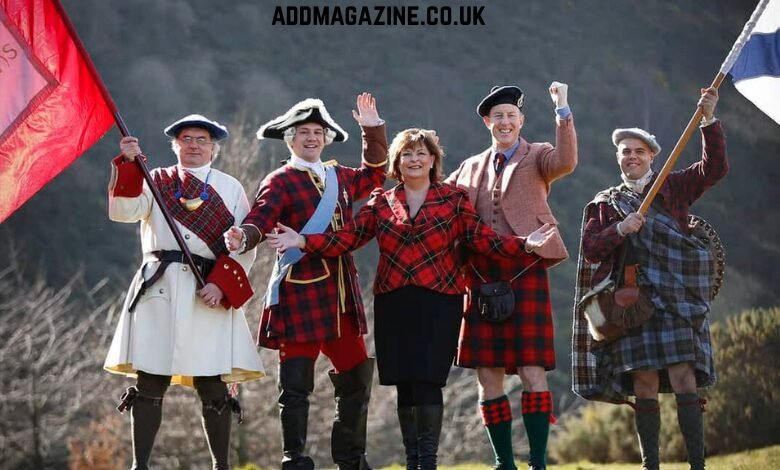
- To complete a definitive Scottish look, a man’s kilt ensemble can be elevated with a range of Kilt accessories. Essential additions include a sporran, a ornamental poke worn at the front of the kilt that not only serves a practical purpose but also adds a touch of fineness. A kilt belt, frequently adorned with a striking buckle, helps secure the kilt and enhances the overall appearance. The addition of a brace of kilt sock and garters not only ensures comfort but also contributes to the authentic Scottish style. Eventually, a well- chosen kilt leg, generally adorned with Celtic designs, can add a distinctive faculty to the outfit. To achieve the full Scottish look, consider incorporating these crucial accessories.
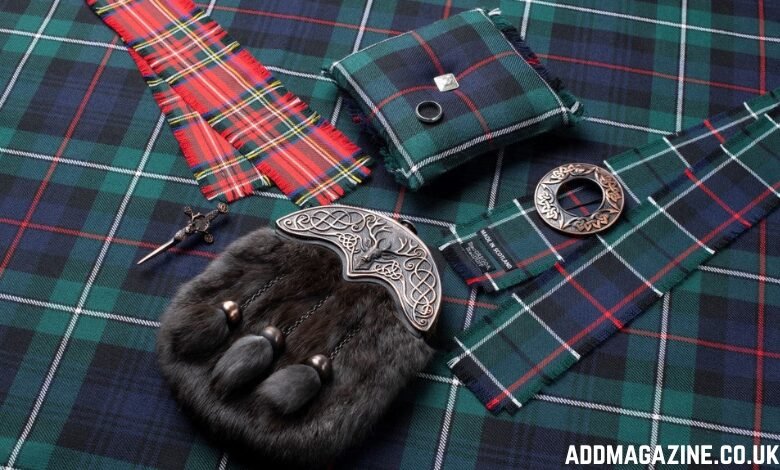
- Tartan Sporran: The sporran is a traditional Scottish accessory worn at the front of the kilt, serving as both a functional poke and a ornamental element. Made from leather, fur, or a combination of accoutrements , tartan sporrans are adorned with intricate designs and add a touch of authenticity to the kilt ensemble. The sporran’s design frequently includes features similar as ornamental grasps, tassels, and engraved patterns, enhancing its visual appeal. It provides a practical result for carrying rudiments while maintaining the traditional aesthetic of Scottish dress. The tartan sporran is an essential accessory for formal occasions, contributing to the overall authenticity and fineness of the kilt outfit.
- Tartan Tie: A tartan tie incorporates the iconic tartan pattern into formal neckwear, furnishing a subtle yet swish connection to Scottish heritage. These ties can be worn with suits or further casual outfits, offering a protean accessory for colorful occasions. The tartan tie’s design frequently features a narrow or wide pattern, depending on the wear and tear’s preference and the formality of the event. It adds a touch of Scottish faculty to formal vesture, allowing individualities to showcase their artistic pride in a sophisticated and understated manner. The tartan tie is a popular choice for both formal andsemi-formal settings, making it a protean addition to any wardrobe.
- Tartan Masks: Tartan masks are a ultramodern adaption of traditional Scottish patterns, blending artistic heritage with contemporary requirements. These masks, frequently made from fabric featuring tartan designs, offer a practical and swish way to incorporate Scottish rudiments into everyday life. The tartan mask’s design generally includes malleable strips, a comfortable fit, and a range of tartan patterns, allowing for particular expression while clinging to ultramodern health and safety conditions. The objectification of tartan patterns into masks highlights the rigidity of Scottish apparel, demonstrating how traditional rudiments can be reimagined for contemporary use.
- Fly Plaid: The cover plaid, or “ plaid brooch, ” is a ornamental piece worn over the shoulder and secured with a brooch. It’s traditionally made from tartan fabric and adds an redundant subcaste of faculty to formal Scottish vesture, particularly when worn with a kilt. The cover plaid’s design frequently includes intricate patterns and embellishments, enhancing its visual appeal. It serves as both a functional and ornamental accessory, furnishing fresh warmth and style. The cover plaid’s literal significance and ultramodern acclimations make it a protean accessory for formal events, showcasing the fineness and heritage of Scottish apparel.
Scotland clothing For Women
Kilt Skirt For Women
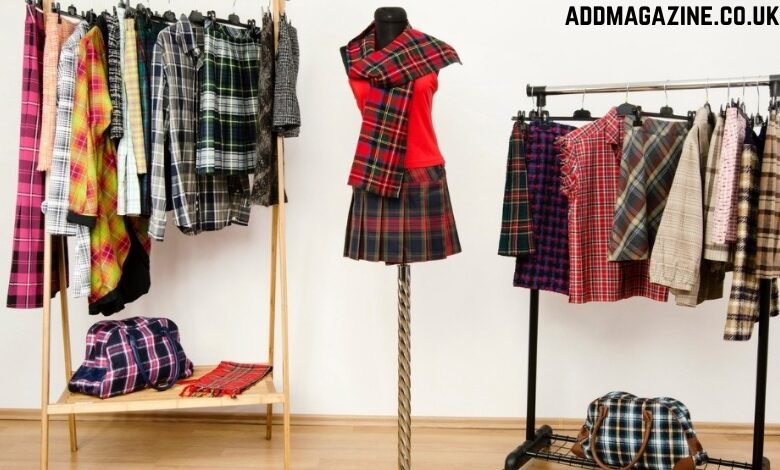
The women’s skirt, frequently made from tartan fabric, is a traditional garment that glasses the design rudiments of the kilt. It’s generally worn for formal events or as part of a Scottish- themed outfit, offering a womanlike take on the classic kilt design. The women’s skirt may feature pleats, a band, and a range of tartan patterns, reflecting the same heritage as the men’s kilt. Its versatility allows it to be acclimated for colorful occasions, from marriages and conventional events to further casual gatherings. The objectification of tartan patterns into women’s skirts highlights the enduring appeal of Scottish apparel and provides a swish option for those who wish to embrace their artistic heritage.
- Women’s Plaid Skirt
The plaid skirt is a protean and swish option for women, featuring the iconic tartan pattern in a variety of designs and lengths. Plaid ladies skirts design frequently includes features similar as pleats, a fitted band, and a range of tartan colors and patterns. Its rigidity allows it to be worn for colorful occasions, from office wear and tear to social events. The plaid skirt’s objectification of traditional Scottish patterns into everyday fashion highlights the inflexibility of tartan design and its capability to blend with ultramodern style preferences.
- Women’s Utility Skirt
analogous to the men’s mileage kilt, the women’s mileage skirt combines traditional tartan patterns with practical design features. It frequently includes pockets, durable accoutrements , and malleable rudiments, making it a functional choice for everyday wear and tear. The mileage skirt’s design reflects a ultramodern approach to Scottish apparel, integrating traditional rudiments with contemporary requirements. Its versatility makes it suitable for a range of conditioning, from casual jaunts to more practical tasks. The women’s mileage skirt offers a swish yet practical option for those who appreciate the heritage of Scottish apparel but bear a garment that meets ultramodern functional conditions.
- Women’s Leather Skirt
The leather skirt offers a ultramodern and edgy twist on traditional Scottish vesture. Made from high- quality leather, it combines continuity with style, furnishing a bold volition to further classic tartan garments. The leather skirt’s design frequently includes features similar as a acclimatized fit, ornamental rudiments, and a range of lengths, allowing for a variety of fashion statements. Its rugged appearance and versatility make it a popular choice for those seeking to make a strong fashion statement while incorporating rudiments of Scottish heritage. The leather skirt’s rigidity to different styles and settings highlights its part in bridging traditional Scottish fashion with contemporary trends.
- Women’s Denim Skirt
The denim skirt’s design frequently includes rudiments similar as a fitted band, malleable features, and a range of lengths, making it a protean addition to any wardrobe. Its casual appearance and ease of care make it suitable for a variety of occasions, from casual jaunts to more relaxed events. The denim skirt’s objectification of tartan patterns highlights the capability of Scottish apparel to acclimatize to contemporary fashion trends while maintaining its artistic heritage.
Some Accessories For Women
Handfasting Ribbons: Handfasting lists are used in traditional Scottish marriage observances, emblematizing the list of two people in marriage. These lists frequently feature tartan patterns and are an important artistic element in Scottish matrimonial customs. The handfasting form, which dates back to ancient Scotland, involves the couple’s hands being tied together with these lists as a symbol of their commitment. The objectification of tartan patterns into handfasting lists reflects the artistic significance of Scottish heritage in marriage traditions. The use of these lists adds a meaningful and particular touch to the form, connecting the couple to their artistic roots.
Wallets, Handbags, Purses: Scottish- themed holdalls , handbags, and pocketbooks frequently feature tartan patterns or leather with tartan accentuations. These accessories give a practical yet swish way to incorporate Scottish heritage into everyday fashion. The use of tartan patterns in accessories allows individualities to carry a piece of their artistic identity with them while maintaining functionality. Whether used for diurnal errands or special occasions, Scottish- themed holdalls and handbags offer a protean option for those who appreciate traditional design rudiments. The integration of tartan patterns into these accessories highlights the continued applicability of Scottish fashion in contemporary life.
Tartan Scarf: A tartan scarf is a protean accessory that adds a touch of Scottish fineness to any outfit. Made from hair or other warm accoutrements , it’s both functional and swish, perfect for layering over jackets or sweaters. The tartan scarf’s design frequently features a range of colors and patterns, allowing for a substantiated touch. Its rigidity to different fashion styles and climates makes it a popular choice for both casual and formal settings. The tartan scarf’s objectification of traditional Scottish patterns into a ultramodern accessory highlights the enduring appeal of Scottish apparel and its capability to blend with contemporary fashion trends.
Scottish Tartan Sash: The Scottish tartan girdle is a ornamental garment worn across the shoulder and frequently used for formal occasions. It complements traditional Scottish dress and adds a distinctive faculty to women’s vesture. The girdle’s design generally includes the tartan pattern, which can be matched with other rudiments of Scottish apparel similar as kilts or skirts. Its elegant appearance and versatility make it a popular choice for conventional events, showcasing the wear and tear’s connection to Scottish heritage. The tartan girdle’s capability to enhance traditional outfits while maintaining a ultramodern aesthetic highlights its part in both literal and contemporary fashion.
Where Can You Find Authentic Scottish Clothing?
For those interested in acquiring traditional Scottish vesture, there are colorful sources to explore. numerous technical retailers offer a range of Scottish apparel, from kilts and tartan skirts to accessories and formalwear. A standout choice is Scottish Kilt, a brand that provides an extensive range of traditional Scottish attire and accessories.
Cultural Impact
Scotland apparel has a profound artistic impact, serving as a important symbol of Scottish heritage and identity. The kilt, tartan patterns, and associated accessories are further than just literal garments; they’re integral to Scotland’s artistic fabric.
Preservation of Heritage:
Scottish apparel plays a pivotal part in conserving the country’s heritage, keeping literal traditions alive through its continued use in observances, carnivals, and diurnal life. The kilt, in particular, is a symbol of Scottish pride and identity, reflecting the wear and tear’s connection to their strain and artistic roots. The practice of wearing Scotland apparel during formal events, similar as marriages and Highland games, reinforces the artistic significance of these garments. also, the rejuvenescence of interest in Scottish history and heritage has led to a renewed appreciation for traditional apparel, icing that these garments remain a vibrant part of Scottish culture.
Tourism & Global Influence:
The appeal of Scottish apparel extends beyond Scotland’s borders, attracting excursionists and fashion suckers worldwide. The unique patterns and designs of tartan have told global fashion, leading to a emulsion of traditional Scottish rudiments with contemporary styles. Scottish- themed events, similar as Highland games and artistic carnivals, draw callers from around the world who are eager to witness Scottish heritage firsthand. The global fashionability of Scottish apparel has contributed to the preservation and creation of Scottish culture on an transnational stage. This wide interest has also led to collaborations with contrivers and brands, further integrating Scottish patterns into global fashion trends.
Modern Adaptations:
While Scotland apparel maintains its literal significance, ultramodern acclimations have made it applicable in contemporary fashion. From mileage kilts and denim skirts to tartan accessories, the integration of Scottish patterns into ultramodern vesture demonstrates the enduring appeal and versatility of traditional Scottish dress. Contemporary contrivers and fashion suckers continue to introduce, incorporating traditional rudiments into new and swish garments. This rigidity allows Scottish apparel to remain a dynamic and evolving part of fashion, reflecting changing trends while recognizing its literal roots.
National Symbolism:
Scottish apparel, especially the kilt and tartan patterns, has come a important public symbol. It represents not only indigenous identity but also a broader sense of Scottish pride and concinnity. The continued fashionability and adaption of Scotland apparel reflect its ongoing significance in artistic expression and public heritage. The artistic impact of Scottish apparel extends beyond its literal origins, demonstrating its applicability and significance in contemporary society.
In conclusion, Scotland apparel encompasses a rich history and artistic significance that extends beyond its origins. From the classic kilt to ultramodern acclimations, these garments continue to play a vital part in conserving Scottish heritage and identity. Whether worn for formal occasions or as part of contemporary fashion, Scottish vesture remains a dynamic symbol of Scotland’s vibrant artistic heritage.