Property values in Newport Beach reflect a clear divide between homes with standard railing systems and those featuring custom wrought iron installations. Real estate professionals consistently document substantial valuation differences, with custom wrought iron properties commanding significantly higher market prices. This pricing gap extends beyond aesthetic preferences, rooting itself in fundamental differences in material durability, architectural integration, and long-term maintenance requirements.
The coastal environment of Southern California creates specific challenges for exterior metalwork installations. Salt air, temperature fluctuations, and exposure to moisture demand materials and fabrication techniques that can withstand decades of environmental stress without compromising structural integrity or visual appeal. Standard railing options frequently fail to meet these demands, leading to premature deterioration and costly replacement cycles that impact both property maintenance budgets and resale values.
Understanding the operational and financial implications of railing material choices becomes essential for property owners, developers, and real estate professionals operating in high-value coastal markets. The decision extends beyond initial installation costs, encompassing long-term performance, maintenance requirements, and market positioning factors that directly influence property investment returns.
Material Performance Differences in Coastal Environments
Wrought iron demonstrates superior corrosion resistance compared to standard aluminum or steel railing systems when properly fabricated and finished. The material’s carbon content and forging process create a dense, uniform structure that resists moisture penetration and oxidation. Wrought iron railings newport beach installations specifically address the challenges posed by Pacific Ocean proximity, including salt spray exposure and high humidity levels that accelerate deterioration in lesser materials.
Standard railing systems typically rely on powder coating or basic paint finishes that provide temporary protection but require frequent maintenance in coastal conditions. These coatings often fail within three to five years, exposing the underlying metal to corrosion and creating safety hazards as structural integrity diminishes. The resulting maintenance cycles involve repeated sanding, priming, and recoating processes that generate ongoing labor and material costs.
Corrosion Resistance and Structural Longevity
Custom wrought iron fabrication incorporates hot-dip galvanizing or specialized marine-grade coatings that penetrate the metal surface, creating a barrier against moisture and oxygen infiltration. This process extends the functional lifespan of railing installations to decades rather than years. Property owners avoid the recurring expense and operational disruption associated with frequent maintenance or premature replacement of standard systems.
The structural design of wrought iron railings distributes stress loads more effectively than hollow aluminum or thin-gauge steel alternatives. Solid wrought iron components resist flexing and joint failure under wind loads and physical stress, maintaining stability and safety standards throughout their service life. This reliability becomes particularly important for properties subject to building code compliance inspections and insurance requirements.
Temperature and Weather Adaptation
Thermal expansion and contraction cycles affect all metal railings, but wrought iron’s material properties allow for controlled movement without joint separation or component failure. Standard systems often experience connection loosening, alignment problems, and visible gaps as repeated temperature changes stress the installation. These issues compromise both structural performance and visual appeal, directly impacting property presentation and market value.
Wind resistance capabilities differ significantly between custom wrought iron and standard railing options. The mass and interconnected design of wrought iron systems provide inherent stability during severe weather events, reducing the risk of damage or failure that could create liability issues or require emergency repairs.
Architectural Integration and Design Flexibility
Standard railing systems offer limited customization options, often resulting in installations that appear generic or mismatched with the property’s architectural character. This visual disconnect becomes particularly problematic in high-value markets where design coherence directly influences buyer perception and pricing.
The fabrication process for custom wrought iron accommodates complex geometric requirements, unusual dimensions, and specialized mounting conditions that standard systems cannot address. Properties with curved staircases, angled installations, or unique structural challenges require tailored solutions that maintain both functionality and visual appeal. Standard systems typically force compromises in design or require expensive modifications to achieve basic compatibility.
Customization Capabilities and Design Control
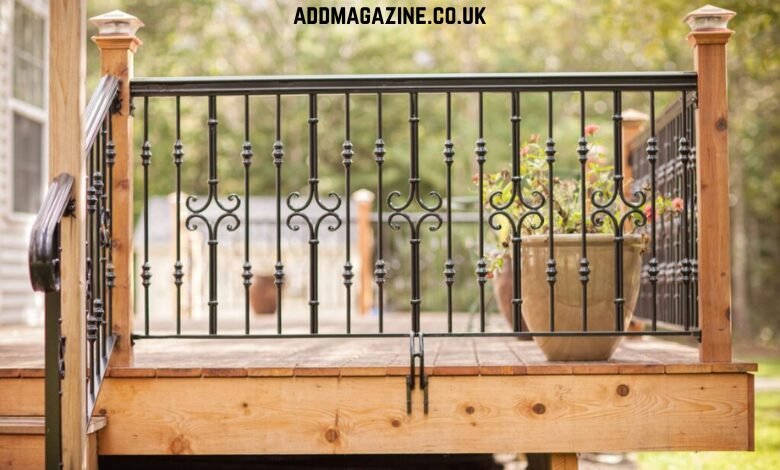
Wrought iron fabrication supports intricate decorative elements, custom patterns, and architectural details that reflect the property’s overall design intent. These elements create distinctive visual signatures that differentiate properties in competitive markets and appeal to buyers seeking unique architectural features. Standard systems lack this flexibility, limiting design options to predetermined configurations that may not align with the property’s aesthetic requirements.
Color matching and finish coordination become straightforward with custom wrought iron, as fabricators can apply specific coatings and treatments to achieve exact color specifications. This capability ensures seamless integration with existing trim, hardware, and architectural elements. Standard systems typically offer limited color options that may not coordinate properly with the property’s existing finishes.
Scalability and Future Modifications
Custom wrought iron installations can accommodate future modifications or expansions without requiring complete system replacement. The modular nature of quality wrought iron fabrication allows for component additions, configuration changes, or repair work that maintains design consistency and structural integrity. Standard systems often lack this adaptability, forcing complete replacement when modifications become necessary.
Property renovations or expansions frequently require railing modifications to accommodate new layouts or updated building codes. Custom wrought iron systems provide the flexibility to integrate these changes seamlessly, preserving the investment in existing installations while meeting new requirements. Standard systems typically cannot accommodate significant changes without complete replacement.
Cost Analysis and Return on Investment
The initial investment difference between custom wrought iron and standard railing systems reflects the material quality, fabrication complexity, and installation requirements involved in each option. However, total cost of ownership calculations reveal that wrought iron installations often provide superior value over their extended service life. Building construction costs continue rising, making durable installations increasingly attractive from a financial planning perspective.
Maintenance cost comparisons show substantial differences between wrought iron and standard systems over time. Standard railings require regular maintenance, coating renewal, and component replacement that generates ongoing expenses throughout their service life. Wrought iron systems typically require minimal maintenance beyond periodic cleaning and inspection, reducing long-term operational costs significantly.
Property Value Impact and Market Positioning
Real estate appraisals consistently assign higher values to properties with quality wrought iron installations compared to standard railing systems. The durability, aesthetic appeal, and craftsmanship associated with custom wrought iron contribute to overall property desirability and market positioning. This valuation difference often exceeds the initial cost premium, creating positive return on investment for property owners.
Market data from Newport Beach real estate transactions indicates that properties with distinctive architectural features, including custom ironwork, sell more quickly and command higher prices than comparable properties with standard installations. Buyer preferences increasingly favor unique design elements that differentiate properties in competitive markets.
Insurance and Liability Considerations
Insurance carriers may offer reduced premiums for properties with high-quality, durable railing installations that demonstrate lower risk profiles. The structural reliability and longevity of wrought iron systems contribute to reduced claims potential compared to standard systems that may fail unexpectedly or require frequent maintenance. These insurance savings accumulate over time, contributing to the total cost advantage of quality installations.
Liability exposure from railing failures or maintenance issues affects property owners, particularly in rental or commercial applications. Wrought iron systems’ proven durability and structural integrity reduce the risk of failure-related incidents that could generate liability claims or legal complications.
Installation and Project Management Factors
Custom wrought iron installation requires specialized expertise and coordination that affects project timelines and complexity. Fabrication lead times, site preparation requirements, and installation procedures differ significantly from standard railing projects. Understanding these factors helps property owners and contractors plan effectively and avoid common project complications that can increase costs or delay completion.
Site access and installation logistics become more complex with custom wrought iron due to component weight, size, and handling requirements. Standard systems typically offer simpler installation procedures but may sacrifice quality or durability to achieve this convenience. The trade-offs between installation complexity and long-term performance require careful consideration during project planning.
Quality Control and Fabrication Standards
Custom wrought iron fabrication involves multiple quality control checkpoints that ensure proper material preparation, joining techniques, and finish application. These standards contribute to the superior performance and longevity that justify the premium pricing. Standard systems may lack comparable quality control measures, leading to inconsistent performance and premature failure.
Fabrication precision affects both installation efficiency and long-term performance. Standard systems with looser manufacturing tolerances may require field adjustments or compromise structural integrity to achieve proper fit.
Warranty and Support Considerations
Custom wrought iron fabricators typically provide comprehensive warranties that cover materials, workmanship, and performance for extended periods. These warranties reflect confidence in the product quality and provide property owners with protection against defects or premature failure. Standard system warranties often offer limited coverage periods and exclude common failure modes.
Technical support and service availability vary significantly between custom fabricators and standard system suppliers. Established wrought iron fabricators maintain long-term relationships with clients and provide ongoing support for maintenance, repairs, or modifications. Standard system suppliers may discontinue products or limit support as product lines change.
Conclusion
The substantial property value differences between custom wrought iron and standard railing installations reflect fundamental differences in material quality, durability, and design flexibility. While initial investment requirements favor standard systems, total cost of ownership calculations and property value impacts often justify the premium associated with custom wrought iron installations. The coastal environment of Newport Beach amplifies these differences, making material selection particularly critical for long-term performance and investment returns.
Property owners and developers operating in high-value markets benefit from understanding these performance and financial implications when making railing system decisions. The choice extends beyond immediate project costs to encompass maintenance requirements, property positioning, and long-term value preservation that directly impact investment returns and operational efficiency.