
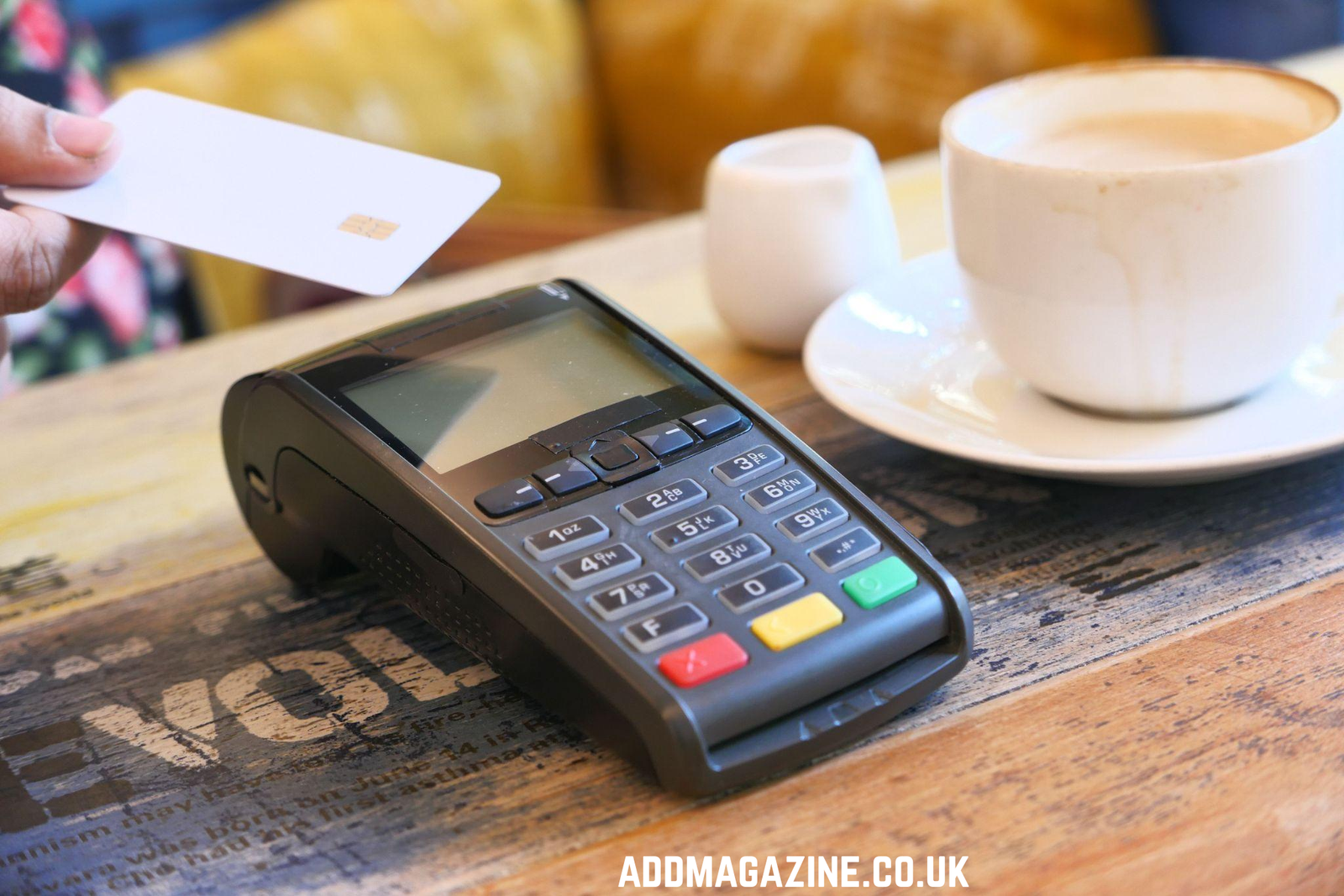
How people pay for their coffee shapes a café’s day more than you might think. Say your card machine stalls on a payment right in the middle of the morning rush. You lose a few seconds, sure. You might also lose the customer. For café and coffee shop owners in Britain, picking payment tech mostly comes down to keeping the queue moving and protecting your margins, plus giving staff something they can actually rely on when it gets busy.
We’ll go through the main kinds of card machines, the features worth prioritising, and how to get a new setup running without knocking service off course.
Types of Card Machines Available
Plenty of cafés start out with a fixed point-of-sale terminal on the counter. These are dependable. They’re either wired in or on Wi-Fi, and they suit places where people order and pay first, then sit down. You’ll generally get the fastest, steadiest connection from one, which counts for a lot when there’s a line of commuters out the door at 8:45.
Mobile and portable readers make more sense somewhere else. Table service, say, or seating outside, or a room where it’s just easier for staff to take payment at the table. They run on battery and use Wi-Fi or mobile data. So your team can move around instead of hovering by the till all day.
Most UK customers now expect contactless. Whatever machine you go for should handle it as standard. Apple Pay, Google Pay, and tap-to-pay cards have swapped digging around for change with one quick tap, and that takes seconds off every sale.
Worth checking, too: how well does the machine work with the café management system you already use? If it syncs with your stock, sales, and loyalty software, you’re spared hours of matching numbers by hand. You also get a much clearer view of how the business is really doing.
Key Features to Look For
For most café owners, speed and reliability come first. Fair enough. A machine that lags at peak times causes a backlog, and that backlog doesn’t stay put. It spreads through the whole service.
Fees need just as close a look. Providers charge in very different ways. Some keep to a flat rate. Others use tiered pricing, based on card type or how much you put through. Get clear on what you’ll pay at the start, because it protects your margins, and that matters even more in a coffee shop, where you’re selling lots of fairly cheap items.
Ease of use matters more than a lot of owners expect. Staff come and go in hospitality, often quite quickly, so a machine that’s easy to pick up means less time training and more time serving.
While you’re at it, have a look at receipt options. Sending digital receipts or adding your branding gives things a professional touch. Customers do notice.
Security compliance isn’t optional. Any card machine you choose should meet current UK data protection rules and PCI DSS standards, so you and your customers can trust that payments are safe.
If you’re after a provider with simple pricing and reliable hardware, head to Zeller to compare options built for small hospitality businesses.
Implementation Best Practices
Start with how your café actually runs day to day. A counter-service espresso bar needs something pretty different from a sit-down brunch place with full table service. Go with the hardware that fits the way your team really moves around.
Training is easy to leave until the last minute. Try not to. Before launch day, walk through the usual stuff: split bills, tips, refunds. Your team will feel ready rather than caught off guard.
When it’s busy, checkout speed can make or break how happy customers are. Test the setup under real pressure. And if a queue keeps building during your busiest hours, a second device might be worth it.
The data your card machine collects is useful as well. Sales insights can show you what sells best and when, which helps with all kinds of decisions, from staff rotas to menu changes.
Making the Right Choice for Your Café
The best card machine for your café isn’t always the most advanced one out there. It’s the one that fits how you serve and keeps the queue moving without eating into your margins. Spend a bit of time comparing transaction speed, fees, and integration options before you commit. You’ll be setting yourself up for smoother service and happier customers along with it.