
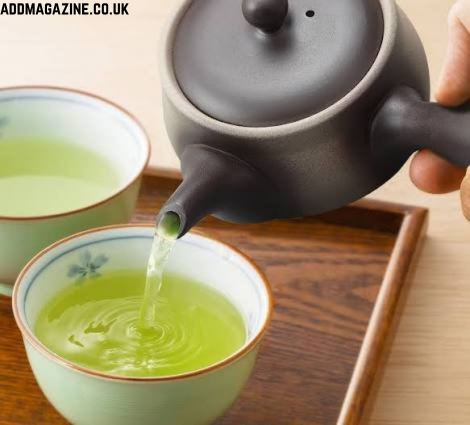
Green tea has established a reputation as one of the world’s healthiest drinks. Green tea, which is high in antioxidants, especially catechins like epigallocatechin gallate (EGCG), is linked to a number of health advantages, such as promoting heart health, controlling weight, improving brain function, and promoting general wellness.
Also Read: Supercritical Fluid (SCF) Extracts
To fully benefit from green tea, though, drinking it alone is insufficient. The nutritional content and flavor of green tea can be greatly influenced by how it is prepared, consumed, and stored. Unknowingly, many people make simple blunders that diminish its efficacy or even result in undesirable side effects.
These are the most frequent green tea blunders to steer clear of if you want to maximize every cup.
1. Brewing Green Tea with Boiling Water
Pouring boiling water straight over green tea leaves or tea bags is one of the most common blunders people make.
Overheated water releases too many tannins and destroys delicate catechins and amino acids, giving it a harsh taste.
The Right Way
- Water temperature: 70–80°C (160–175°F)
- Steeping time: 2–3 minutes
Using slightly cooler water helps preserve antioxidants and creates a smoother, more pleasant flavor.
Also Read: Fruit Powders
2. Steeping It for Too Long
Many people believe that a longer brewing time results in a healthier cup. In actuality, over-steeping extracts add too much caffeine and tannins, making the tea bitter and perhaps upsetting the stomach.
Best Practice
- Avoid steeping for more than 3–4 minutes.
- Follow the brewing instructions provided by the manufacturer.
Using the right brewing time helps create a pleasant taste while retaining the plant’s naturally occurring compounds.
3. Drinking Green Tea on an Empty Stomach
Although green tea is considered healthy, drinking it first thing in the morning without food may not suit everyone.
The natural tannins and caffeine may:
- Irritate the stomach lining
- Cause mild nausea
- Increase acidity in sensitive individuals
Better Timing
Drink green tea:
- After breakfast
- Between meals
- During mid-morning or afternoon
This approach is often gentler on the digestive system.
4. Adding Too Much Sugar
Many commercial green tea beverages contain significant amounts of added sugar, which can offset the beverage’s health appeal.
Excess sugar consumption is linked to:
- Weight gain
- Blood sugar spikes
- Increased calorie intake
Healthier Alternatives
Instead of sugar, try:
- A slice of lemon
- Fresh mint leaves
- A small amount of honey (if desired)
- Cinnamon for added flavor
These ingredients add subtle flavor while allowing green tea’s original character to remain clearly noticeable.
5. Drinking Too Much Green Tea
More isn’t always better.
While moderate green tea consumption is generally considered safe for most healthy adults, excessive intake may lead to:
- Restlessness
- Difficulty sleeping
- Increased caffeine intake
- Reduced iron absorption in some individuals
Recommended Intake
Most experts suggest:
2–4 cups per day
This amount allows you to enjoy its benefits while minimizing potential side effects.
6. Drinking Green Tea Too Late in the Day
Green tea naturally contains caffeine, although less than coffee.
Taking it close to bedtime could negatively affect:
- Sleep quality
- Falling asleep
- Relaxation before bedtime
Ideal Timing
Enjoy green tea during:
- Morning
- Midday
- Early afternoon
For a relaxing evening drink, herbal infusions without natural stimulants can be a suitable alternative to traditional tea.
7. Using Poor-Quality Green Tea
The quality and characteristics of green tea can differ significantly from one product to another.
Low-quality tea may contain:
- Older leaves
- Less desirable plant parts
- Lower antioxidant levels
- Artificial flavorings
Look for High-Quality Tea
Select goods that provide:
- Whole leaves as opposed to a lot of dust
- Bright green color and a fresh scent
- Reputable producers with high standards of quality
- Appropriate packaging that preserves freshness
Higher-quality tea often delivers better flavor and a richer profile of natural compounds.
8. Storing Green Tea Incorrectly
Green tea is sensitive to:
- Heat
- Moisture
- Light
- Air
Improper storage causes oxidation, reducing both flavor and antioxidant content.
Storage Tips
Store green tea in:
- An airtight container
- A cool, dry place
- Away from direct sunlight
- Away from strong odors
Proper storage helps preserve freshness for longer.
9. Expecting Instant Results
Some people start drinking green tea in the hopes of losing weight quickly or seeing benefits in their health right away.
Green tea is not a cure-all. It is essential to consider its advantages in the context of a general healthy lifestyle.
For optimal results, combine green tea with:
- A balanced diet
- Regular physical activity
- Adequate sleep
- Stress management
Consistency matters more than consuming large amounts over a short period.
10. Ignoring Individual Health Conditions
While most people can safely drink green tea, some persons should be cautious.
Before greatly increasing your consumption of green tea, speak with a healthcare provider if you:
- Are you nursing or pregnant?
- Feel low in iron
- are caffeine-sensitive
- Take certain prescription pills or blood thinners.
- possess liver disease or other long-term health issues
Personalized advice ensures green tea fits safely into your wellness routine.
Tips to Maximize Green Tea Benefits
To enjoy the full potential of green tea:
- Brew with water at 70–80°C
- Steep for 2–3 minutes
- Drink 2–4 cups daily
- Avoid drinking on an empty stomach if it causes discomfort
- Store tea properly to preserve freshness
- Choose premium-quality tea
- Pair green tea with a healthy lifestyle