Searching for the best papa a la huancaína near me is more than looking for a place that serves potatoes with sauce. It is about finding a restaurant that prepares one of Peru’s best-known traditional dishes with care and authentic ingredients. While the recipe is simple, the quality of the potatoes, the balance of the sauce, and the freshness of the garnishes make a noticeable difference.
Papa a la Huancaína has become a popular menu item in Peruvian restaurants around the world. It is often one of the first dishes people order because it introduces diners to the flavors that define Peruvian cuisine without being overly spicy or complicated. Its creamy texture, mild heat, and satisfying ingredients make it suitable for almost every type of diner.
Whether you are trying Peruvian food for the first time or you already enjoy its traditional recipes, knowing what makes a great plate of Papa a la Huancaína helps you choose the right restaurant. From checking menus to reading reviews and recognizing authentic preparation, there are several ways to improve your search.
This guide explains what Papa a la Huancaína is, what makes it authentic, how to recognize a well-prepared version, and what to expect when looking for the best Papa a la Huancaína near you.
What Is Papa a la Huancaína?
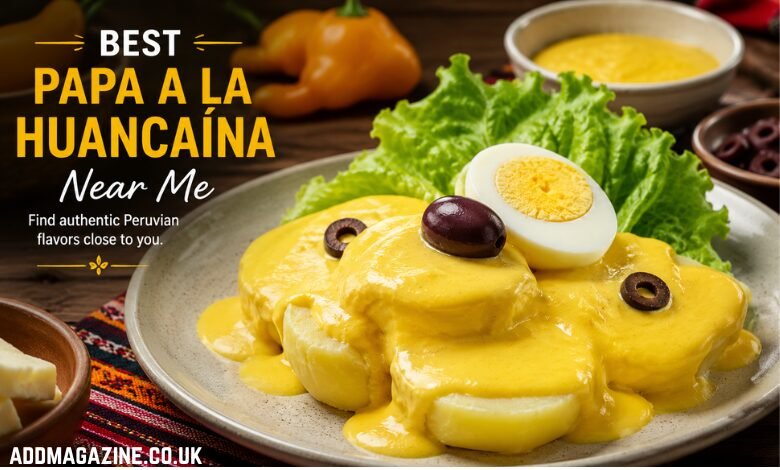
Papa a la Huancaína is a traditional Peruvian appetizer made with sliced boiled potatoes covered in a creamy yellow pepper sauce. The dish is normally served cold or at room temperature, making it different from many potato dishes that are served hot.
The recipe combines a handful of ingredients to create a rich but balanced flavor. The potatoes provide a soft, neutral base while the Huancaína sauce adds creaminess with a gentle pepper flavor. Fresh lettuce, slices of boiled egg, and black olives complete the presentation.
Although the ingredients are straightforward, the dish depends on careful preparation. Proper cooking techniques and fresh ingredients are far more important than adding extra toppings or unnecessary variations.
The History Behind the Dish
Papa a la Huancaína has been part of Peruvian cuisine for many years. The name is connected with the city of Huancayo in Peru’s central highlands, although several stories exist about how the recipe first became popular.
One commonly shared explanation suggests that women preparing meals for railway workers served boiled potatoes with a creamy pepper sauce. Over time, the combination became widely known and spread throughout Peru.
Regardless of its exact origins, Papa a la Huancaína has become one of the country’s signature dishes. Today it appears in homes, family celebrations, restaurants, and holiday meals across Peru.
Why Potatoes Matter
Peru is recognized as the birthplace of thousands of potato varieties. Potatoes have been grown there for centuries and remain one of the country’s most important agricultural products.
Papa a la Huancaína celebrates this history by placing potatoes at the center of the dish instead of treating them as a side item.
The best restaurants choose potatoes that are:
- Smooth in texture
- Properly cooked
- Firm enough to slice neatly
- Soft enough to cut with a fork
Poor-quality potatoes can affect the entire experience even if the sauce is prepared correctly.
Understanding Huancaína Sauce
The sauce is the most recognizable part of the dish.
Traditional Huancaína sauce usually contains:
- Ají amarillo peppers
- Fresh cheese
- Milk
- Vegetable oil
- Crackers or bread
- Salt
These ingredients are blended until completely smooth.
The finished sauce should be thick enough to coat the potatoes evenly without becoming heavy or sticky.
A properly prepared sauce has:
- Bright yellow color
- Creamy consistency
- Mild pepper flavor
- Light cheesiness
- Smooth finish
Every ingredient should work together without one overpowering the others.
The Importance of Ají Amarillo
Ají amarillo is one of Peru’s best-known peppers.
Unlike extremely hot chili peppers, ají amarillo delivers a gentle warmth together with a slightly fruity taste. Its natural color also gives Huancaína sauce its famous golden appearance.
Many restaurants import frozen or preserved ají amarillo because fresh peppers may not always be available outside Peru.
Restaurants that replace ají amarillo with ordinary yellow peppers usually produce a sauce that lacks the traditional flavor associated with authentic Papa a la Huancaína.
What Makes Papa a la Huancaína Authentic?
Authenticity depends on respecting the original preparation rather than changing the recipe to fit trends.
An authentic version generally includes:
- Boiled potatoes
- Traditional Huancaína sauce
- Fresh lettuce
- Boiled eggs
- Black olives
The ingredients remain simple because the focus is on balance instead of complexity.
Restaurants that overload the dish with unnecessary toppings often move away from the traditional presentation.
Signs of a Well-Prepared Dish
When your plate arrives, several details can immediately tell you about its quality.
Smooth Sauce
The sauce should appear silky and evenly blended without lumps or separation.
Proper Potato Texture
The potatoes should hold their shape while remaining tender.
Fresh Garnishes
The lettuce should look crisp, and the eggs should be cleanly sliced.
Balanced Portion
There should be enough sauce to coat every potato slice without completely covering the plate.
Appealing Presentation
Traditional presentation is neat rather than decorative. Every ingredient has a purpose.
Finding the Best Papa a la Huancaína Near Me: A Practical Guide
Knowing what defines an authentic restaurant makes it much easier to choose the right place for this classic Peruvian dish.
Search Specifically for Peruvian Restaurants
Instead of searching for general Latin American restaurants, narrow your search to establishments that specialize in Peruvian cuisine.
Dedicated Peruvian restaurants are more likely to use authentic ingredients and traditional recipes.
Read the Menu Carefully
Restaurant menus often reveal how seriously they treat traditional cooking.
Look for descriptions mentioning:
- Ají amarillo
- Huancaína sauce
- Boiled potatoes
- Black olives
- Hard-boiled eggs
- Lettuce
Detailed descriptions usually indicate greater familiarity with the original recipe.
Check Customer Reviews
Online reviews can provide useful insights.
Look for comments mentioning:
- Authentic taste
- Fresh ingredients
- Creamy sauce
- Traditional preparation
- Proper seasoning
- Consistent quality
Reviews from customers familiar with Peruvian cuisine can be especially helpful.
Browse Food Photos
Customer-uploaded photos often show more than professional marketing images.
Pay attention to:
- Sauce consistency
- Portion size
- Potato quality
- Fresh garnishes
- Overall presentation
Photos may reveal whether the restaurant prepares the dish consistently.
Common Mistakes Restaurants Make
Not every version meets traditional standards.
Some common problems include:
Thin Sauce
Watery sauce slides off the potatoes instead of coating them.
Overly Thick Sauce
Excessively thick sauce feels heavy and masks the potatoes.
Incorrect Peppers
Replacing ají amarillo changes the dish’s flavor significantly.
Overcooked Potatoes
Potatoes that break apart lose their pleasant texture.
Poor Garnishes
Wilted lettuce or old eggs reduce freshness.
Is Papa a la Huancaína Spicy?
Many first-time diners wonder about the spice level.
The answer is usually no.
Although ají amarillo is technically a chili pepper, it provides gentle warmth rather than intense heat.
Most people who normally avoid spicy food can enjoy Papa a la Huancaína comfortably.
The creamy ingredients also soften the pepper’s natural heat.
Why It Is a Popular Appetizer
Papa a la Huancaína prepares the palate without making diners feel overly full.
Its combination of potatoes and creamy sauce creates satisfaction while leaving room for additional courses.
This is one reason it frequently appears as the first course in traditional Peruvian meals.
Restaurants often recommend it before seafood, grilled meats, or rice dishes.
Foods That Pair Well With Papa a la Huancaína
After enjoying the appetizer, many diners continue exploring Peruvian cuisine.
Popular pairings include:
Ceviche
Fresh fish marinated in citrus with onions and peppers.
Lomo Saltado
Beef stir-fried with onions, tomatoes, fries, and rice.
Ají de Gallina
Shredded chicken served in a creamy pepper sauce.
Causa
Layered mashed potatoes filled with chicken, tuna, seafood, or vegetables.
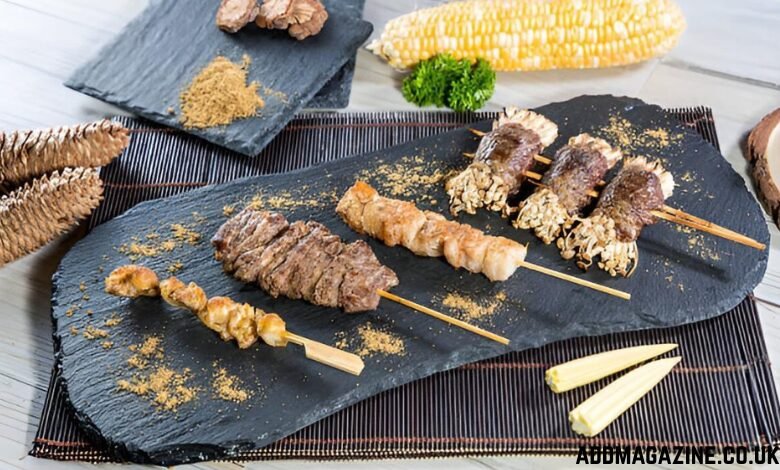
Anticuchos
Grilled skewers traditionally seasoned with spices.
These dishes showcase different cooking techniques while maintaining traditional Peruvian flavors.
Can Vegetarians Enjoy It?
Most traditional versions are suitable for vegetarians because they contain dairy, potatoes, eggs, and vegetables but no meat.
However, recipes vary.
Some restaurants may use cheese made with animal rennet or modify ingredients.
Vegetarians should ask about preparation if they follow specific dietary preferences.
Is It Gluten-Free?
The answer depends on the recipe.
Some Huancaína sauces include crackers or bread as thickening agents.
Others use gluten-free alternatives.
If gluten is a concern, always ask the restaurant before ordering.
How Freshness Changes the Flavor
Fresh ingredients make a noticeable difference.
Fresh Papa a la Huancaína has:
- Bright color
- Clean potato flavor
- Creamy sauce
- Crisp lettuce
- Firm eggs
- Balanced seasoning
Old ingredients may create:
- Sour flavors
- Oily texture
- Dull appearance
- Soft lettuce
- Dry potatoes
Freshness affects both taste and texture.
Homemade vs Restaurant Versions
Many Peruvians prepare Papa a la Huancaína at home using family recipes.
Restaurant versions may offer greater consistency, especially when chefs have access to imported Peruvian ingredients.
Homemade recipes often vary slightly from family to family.
Some households prefer stronger cheese flavors, while others adjust the amount of ají amarillo according to personal taste.
Both approaches can produce excellent results when traditional methods are respected.
Why the Dish Appeals to New Diners
For someone unfamiliar with Peruvian food, Papa a la Huancaína serves as an excellent introduction.
The ingredients are familiar enough to feel approachable while introducing new flavors through the distinctive pepper sauce.
Unlike extremely spicy dishes, it provides complexity without overwhelming the palate.
Its mild flavor also makes it suitable for families, children, and diners trying Peruvian cuisine for the first time.
Questions to Ask Before Ordering
If you’re visiting a new restaurant, consider asking:
- Is the Huancaína sauce made in-house?
- Do you use ají amarillo?
- Is the dish served cold or room temperature?
- Are the potatoes prepared fresh each day?
- Is this your traditional recipe?
Restaurants proud of their authentic preparation usually answer these questions confidently.
Supporting Local Peruvian Restaurants
Choosing independent Peruvian restaurants often provides a more authentic dining experience than large chain establishments.
Many family-owned restaurants preserve recipes passed down through generations.
Supporting these businesses also helps maintain traditional cooking techniques and cultural food traditions within local communities.
Conclusion
Finding the best papa a la huancaína near me is about more than convenience. It means choosing a restaurant that respects the traditional ingredients, careful preparation, and balanced flavors that have made this dish a favorite in Peruvian cuisine for generations.
A great plate begins with properly cooked potatoes and a smooth Huancaína sauce made with authentic ají amarillo. Fresh lettuce, boiled eggs, and black olives complete the dish without distracting from its simple character. Every ingredient contributes to a balanced combination of creamy texture, mild heat, and satisfying flavor.
Once you discover a restaurant that prepares Papa a la Huancaína well, it often becomes the starting point for exploring other traditional Peruvian dishes. Paying attention to menus, customer reviews, ingredient quality, and authentic preparation can help you enjoy this classic appetizer exactly as it was intended to be served.