In every bakery, profit is not only made by selling more products. It is also saved by controlling waste, reducing mistakes, and using time in a smarter way. Many bakery owners focus on ingredients, recipes, and product display, but the dough preparation stage is just as important. If dough is not handled properly, the bakery may lose money through uneven products, extra labor, spoiled batches, and unnecessary waste.
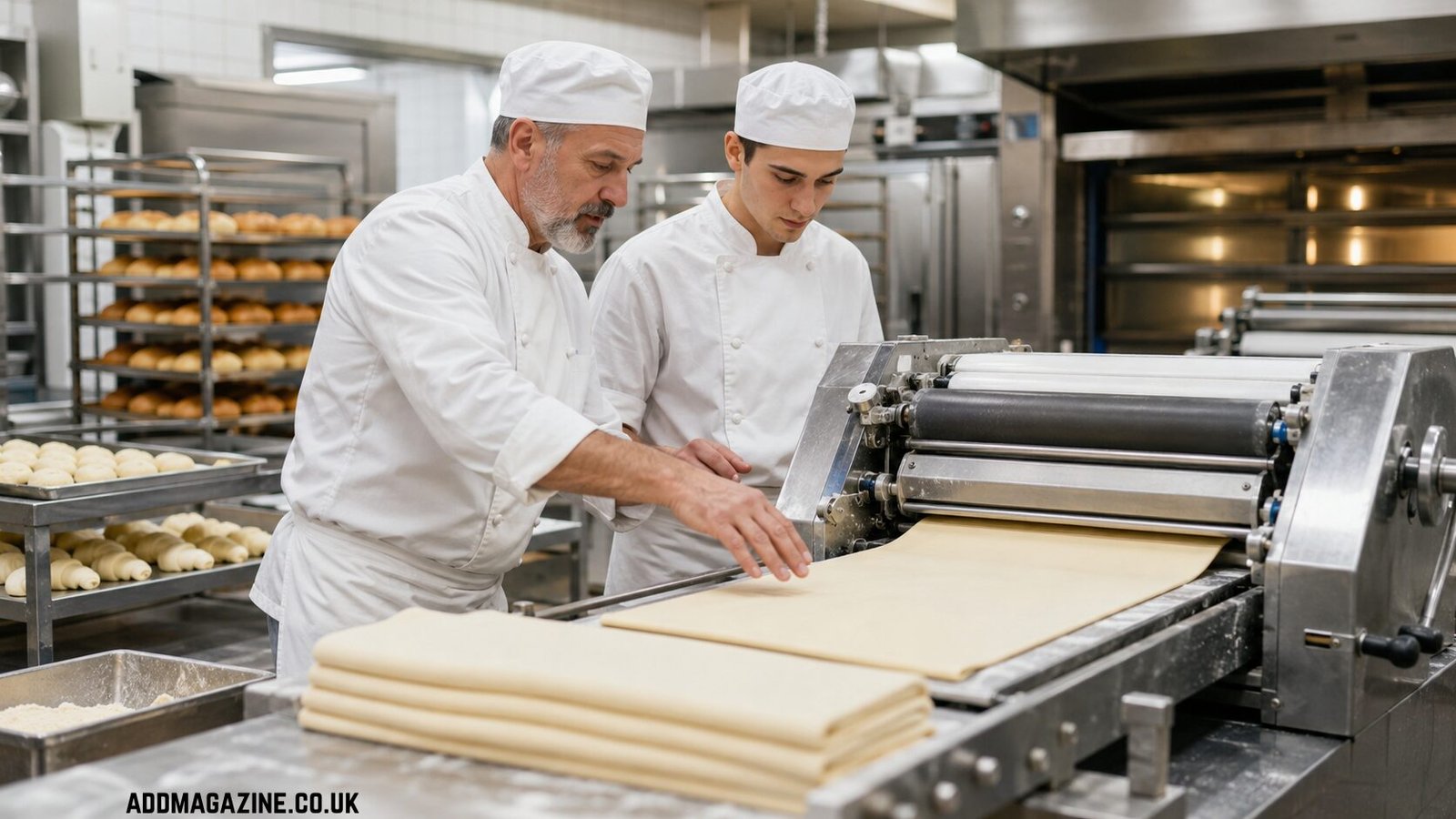
Dough Sheeter is a practical machine that helps bakeries roll dough into smooth and even sheets with better control. When dough thickness is consistent, it becomes easier to cut, shape, fill, and bake products correctly. This can help bakeries reduce waste, improve product quality, and make better use of their daily production time.
For many small and medium bakeries, waste often feels like a normal part of the job. A little dough is left on the table. Some pieces are cut unevenly. Some products bake poorly because the dough was too thick or too thin. These small losses may not look serious in one day, but they can become a large cost over weeks and months. Better dough handling helps solve this problem from the beginning of the production process.
Why Dough Waste Happens in Bakeries
Dough waste can happen for many reasons. Sometimes the dough is rolled too thin and tears during handling. Sometimes it is too thick and does not bake well. Sometimes the shape is uneven, so workers have to cut away extra sides. In other cases, the dough is rolled again and again, which can affect texture and make the final product less fresh.
Manual rolling also creates differences between workers. One worker may apply more pressure, while another may roll lightly. The result is not always the same. When products are not uniform, some may need to be rejected or sold at a lower price.
Common reasons for dough waste include:
- Uneven dough thickness
- Poor dough shape before cutting
- Over-handling during manual rolling
- Dough tearing or sticking
- Wrong size for product requirements
- Reworking dough too many times
- Products baking unevenly
By improving the rolling process, bakeries can reduce many of these issues before they reach the baking stage.
The Link Between Consistency and Cost Control
Consistency is important for product quality, but it also plays a major role in cost control. When every dough sheet has the right thickness, the bakery can cut products more accurately. This means fewer rejected pieces and better use of each dough batch.
For example, if a bakery is making tart shells, pizza bases, or cookies, the dough must be rolled evenly before cutting. If the sheet is thicker on one side, the final pieces may not bake the same way. Some may look perfect, while others may become overbaked, underbaked, or misshaped.
A controlled rolling process helps the bakery produce more usable items from the same amount of dough. This means ingredients are used more efficiently, and the bakery gets better value from every batch.
Saving Ingredients Over Time
Flour, butter, yeast, sugar, fillings, and other ingredients all have a cost. When dough is wasted, the bakery is not only losing flour. It is also losing the labor, time, electricity, and other materials used in the process.
In pastry production, waste can be even more expensive because butter and fillings may be involved. If dough sheets are not rolled properly, the layers may not form well, and the final product may lose its expected texture. This can lead to product rejection or customer complaints.
A better dough preparation system helps protect ingredient investment. Even small savings can make a big difference when production happens every day.
For example, reducing waste can help a bakery:
- Lower daily ingredient loss
- Make more products from each dough batch
- Reduce rejected baked goods
- Improve cutting accuracy
- Avoid unnecessary rework
- Protect product quality
This is why equipment that improves dough control can support long-term bakery profitability.
Better Cutting and Shaping Results
Many bakery products depend on accurate cutting and shaping. Cookies, croissants, pastry squares, pizza bases, pie crusts, and flatbreads all need clean and controlled dough sheets. If the sheet is uneven, cutting becomes more difficult.
When dough is smooth and balanced, workers can cut pieces more easily. Shapes look cleaner, sizes become more regular, and less dough is left unused on the table.
Clean shaping also helps improve product appearance. Customers often notice neat and well-formed bakery items. A product that looks professional can create a stronger impression and may encourage repeat purchases.
Reducing Rework in the Bakery
Rework means doing the same task again because the first result was not right. In bakeries, this often happens when dough is rolled unevenly, cut badly, or shaped incorrectly. Workers may need to collect leftover dough, roll it again, and try to prepare it once more.
This takes extra time and energy. It can also affect the dough quality, especially if the dough has already been handled too much. Some dough types become tough or lose their texture when overworked.
In the middle of daily production, using a reliable Dough Sheeter helps reduce rework by giving bakers a more controlled rolling process. When the dough sheet is prepared correctly the first time, the team can move forward to cutting, filling, shaping, or baking without unnecessary delays.
Less rework means better workflow and lower labor pressure. It also helps bakeries complete orders on time and maintain product quality.
Helping Bakeries Maintain Standard Sizes
Standard size is important in professional bakery production. If one pastry is large and another is small, customers may notice the difference. If cookies are different in thickness, they may not bake evenly.
A consistent dough sheet helps bakeries maintain better size control. Workers can use cutters, molds, or portioning tools more effectively when the dough surface is smooth and even.
This is especially useful for bakeries that sell to other businesses. Hotels, cafés, restaurants, and stores usually expect regular product size and quality. When a bakery can deliver the same standard repeatedly, it becomes a more trusted supplier.
Improving Baking Results
The baking stage depends heavily on preparation. Even the best oven cannot fully fix a dough sheet that is uneven. If one part of the dough is thick and another part is thin, the heat will affect each part differently.
Even dough thickness helps products bake more evenly. This can improve color, texture, and taste. Pastries can become more balanced, pizza bases can bake better, and cookies can have a more regular finish.
Better baking results also reduce product loss. If fewer items come out overbaked or underbaked, the bakery can sell more of what it produces.
Supporting a Cleaner and More Organized Workflow
A smooth production process is easier to manage. When dough preparation is slow or messy, it can affect the whole kitchen. Workers may wait for dough sheets, tables may become crowded, and product timing may become difficult.
Using proper equipment helps create a cleaner workflow. Dough can be rolled in a more controlled way, and workers can prepare sheets according to the next step in production. This improves kitchen organization and reduces confusion.
A better workflow can also make training easier. New workers can follow a more standard process instead of depending only on hand rolling skills. This helps the bakery maintain quality even when the team changes or grows.
Useful for Many Business Types
Dough rolling equipment is useful in many food businesses, not only traditional bakeries. It can support production in cafés, restaurants, pizza shops, hotel kitchens, catering companies, and commercial food factories.
Different businesses can use it for different products, such as:
- Pizza bases
- Puff pastry sheets
- Croissants
- Pie crusts
- Tart shells
- Cookies
- Flatbreads
- Wraps
- Filled dough products
This flexibility makes it a valuable machine for businesses that want to produce more items with better control and less waste.
A Smart Investment for Long-Term Savings
Some bakery owners think about equipment only as a cost. But good equipment can also be a way to save money. If a machine helps reduce waste, save labor time, improve product quality, and lower rejected batches, it can support better profit over time.
The main value is not only speed. The real value is control. When a bakery controls dough thickness, size, shape, and workflow, it can reduce many hidden losses that affect daily profit.
For a growing bakery, these improvements can help create a stronger business foundation. Better production control allows the bakery to accept more orders, serve customers more reliably, and protect product quality.
Final Thoughts
Waste reduction is one of the most important parts of bakery success. Every piece of dough, every minute of labor, and every rejected product has a cost. By improving the dough rolling process, bakeries can reduce these losses and create better results from the same ingredients.
A smooth and controlled dough preparation system helps improve cutting, shaping, baking, and overall product appearance. It also supports workers by reducing manual effort and making daily production more organized.
For bakeries that want to reduce waste, improve product consistency, and increase long-term efficiency, choosing the right bakery equipment is a practical business decision. To explore professional bakery machinery solutions, businesses can visit mirabake.com.