Dachhut is not a common everyday English word, which is why many people search for it when they first see it in a product title, translated phrase, article, or online listing. The term can appear unusual because it seems to combine two ideas: a roof and a hat. That combination makes the word open to different interpretations, especially when it is used outside a clear sentence.
In simple understanding, Dachhut can be connected with the idea of protection. A roof protects a building or object from weather, while a hat protects the head from sun, rain, wind, or cold. When these ideas are brought together, the word may point toward something that covers, shields, or sits above another thing like a small roof.
Because Dachhut is not widely used as a fixed English term, it should not be explained as if it has only one strict definition. Its meaning depends on where it appears. In one place, it may refer to a roof-shaped hat. In another, it may describe a small cover, outdoor shield, garden accessory, pet item, or design concept. The surrounding words usually decide the real meaning.
Understanding the Word Dachhut
The structure of Dachhut suggests a compound-style word. Many German words are formed by joining smaller words together. In this case, “Dach” is often linked with a roof, while “Hut” can refer to a hat. When joined, the result can be understood literally as a “roof hat,” although that may not always be a formal dictionary meaning.
This is why the term can create confusion for English readers. Someone may expect a direct translation, but the meaning may not be fixed. It may be used creatively, informally, or commercially. Some sellers and writers use such words because they describe the shape or function of a product in a simple visual way.
A Dachhut may therefore be understood as something that sits above and protects. That protection can apply to a person, an object, a small structure, or even a design feature. The word is less about one single item and more about the idea of cover, shelter, and roof-like protection.
Why Dachhut Can Be Confusing
Dachhut can confuse readers for several reasons. First, it is not a familiar English word. A person who sees it for the first time may not know whether it is a brand name, a German word, a spelling mistake, or a product category. Without context, all of these possibilities can seem reasonable.
Second, the word may look similar to other German-looking terms. Some readers may connect it with animal names, roof products, clothing, or outdoor gear without being sure. This can lead to incorrect assumptions. For example, a Dachhut is not the same thing as a dachshund. The similarity in spelling can mislead people, but the meanings are different.
Third, online product listings often use unusual words loosely. A seller may use Dachhut for a novelty hat, rain cover, roof cap, garden shelter, or pet accessory. Another website may use the same word differently. This makes careful explanation important, especially for readers trying to understand what they are actually looking at.
Dachhut as Protective Headwear
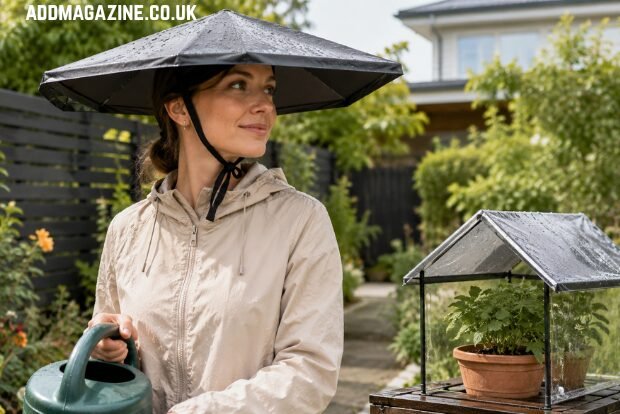
One of the most practical meanings of Dachhut is a hat or head covering that works like a small roof. In this sense, the item is designed to protect the wearer from sun, rain, or light outdoor exposure. It may look like an umbrella hat, a wide protective cap, or a novelty headpiece with a roof-like shape.
This type of Dachhut can be useful for people who work or spend time outdoors. Gardeners, street vendors, hikers, beach visitors, fishers, and outdoor workers often need protection that does not require holding an umbrella. A hat-style cover keeps the hands free while still providing shade or light rain protection.
The main value is function. A Dachhut-style hat may not always be fashionable in the usual sense, but it can solve a simple problem. It protects the head and face while allowing the wearer to continue working, walking, carrying items, or using tools.
Important Features of a Dachhut-Style Hat
If Dachhut is being used to describe protective headwear, the quality of the item depends on its design. A useful version should provide enough coverage without becoming uncomfortable. The wearer should be able to move normally, see clearly, and keep the hat secure.
Lightweight material is important because heavy headwear becomes tiring after a short time. Breathability also matters, especially in hot weather. A hat that protects from the sun but traps too much heat may become difficult to wear for long periods.
For rain protection, water resistance is more important than breathability alone. The material should stop light rain from soaking through, and the shape should help water run off instead of collecting on top. A secure strap or adjustable band may also help keep the hat stable in wind.
Dachhut in Outdoor Work
Outdoor workers often need practical protection more than style. A Dachhut-type item can make sense in farming, gardening, construction support, fishing, roadside vending, and fieldwork. These activities expose people to sunlight, dust, rain, and changing weather.
In such settings, a roof-like hat can provide direct shade over the face and head. It can reduce discomfort during long hours outside. It can also help workers keep both hands available, which is a major advantage over carrying an umbrella.
However, the design must be safe. A Dachhut should not block side vision, fall forward, or interfere with movement. If used around machinery, tools, or traffic, it should remain secure and not distract the wearer. Practical outdoor protection must always balance coverage with safety.
Dachhut as a Rain Protection Item
When connected with rainwear, Dachhut may describe an item that gives the head extra cover during wet weather. Unlike a normal cap, it may have a wider or more structured shape. The idea is to create a small roof over the head so rainwater can move away from the face.
This can be helpful during walking, cycling at low speed, gardening, outdoor markets, or festival use. It is especially useful when someone needs both hands free. For example, a person carrying bags or working outside may prefer a wearable rain cover instead of holding an umbrella.
Still, a Dachhut-style rain item has limits. It may protect against light or moderate rain, but it cannot replace a full raincoat in heavy weather. Wind can also reduce its usefulness. The best use is usually short outdoor activity, light rain, or situations where convenience matters.
Dachhut as Sun Protection
Dachhut can also be understood as a sun-protection hat. In hot climates or during summer activities, direct sunlight on the head and face can cause discomfort quickly. A roof-like hat gives shade and helps reduce exposure.
For sun protection, the brim or covering area matters. A small cap may only shade the forehead, while a wider Dachhut-style design may protect the face, ears, and neck more effectively. Some versions may include fabric extensions, mesh panels, or reflective surfaces.
Comfort is a key issue. A sun-protection Dachhut should allow airflow. Without ventilation, the wearer may feel hotter even while shaded. This is why breathable fabric, vents, and adjustable fitting can make a big difference.
Dachhut in Garden and Home Use
Dachhut is not limited to headwear. In home and garden settings, it may describe a small roof-like cover used to protect objects. This could include covers for tools, small shelters, plant protection, decorative garden structures, or outdoor storage items.
The idea remains the same: something above provides protection below. A small cover can protect items from sunlight, rain, dust, or falling leaves. In gardens, such covers may also be used to protect delicate plants or small decorative features.
This use is informal rather than technical. A builder or architect may not use Dachhut as a formal term, but a seller, designer, or hobbyist might use it to describe the appearance of a small protective top. The meaning becomes clearer when the object being covered is mentioned.
Dachhut in Design and Creative Products
Dachhut can also work as a creative product name. Because the word combines two visual ideas, it can be used for items that are practical but also unusual. A roof-shaped hat, a pet cover, a miniature shelter, or a decorative outdoor accessory could all carry this kind of name.
Creative naming is common in small product markets. Sellers often choose words that describe the shape, mood, or function of an item. Dachhut may attract attention because it sounds different and creates a quick image in the reader’s mind.
However, creative use also increases confusion. If a product is called Dachhut, the listing should explain what it actually is. Clear descriptions, measurements, material details, and use cases are more helpful than relying on the name alone.
Dachhut and Pet Accessories
Another possible use of Dachhut is in pet products. Some pet accessories are designed as small covers, costumes, protective caps, or shelter-style items. A roof-like cover for a small animal, a funny hat for a pet, or a protective outdoor shade could all be described with this type of word.
This meaning depends heavily on the product description. If the text mentions dogs, cats, outdoor beds, cages, or pet costumes, Dachhut may relate to a pet item rather than human clothing or architecture.
Pet-related use should also be practical and safe. Any wearable item for an animal should be lightweight, comfortable, and non-restrictive. It should not block breathing, sight, movement, or natural behavior. A decorative idea should never be placed above the pet’s comfort.
How to Identify the Correct Meaning
The best way to understand Dachhut is to look at context. The same word may point to different things depending on the sentence. If the text mentions clothing, outdoor activity, rain, sun, or travel, it likely refers to headwear. If it mentions gardens, roofs, shelters, or construction, it may refer to a cover or structure.
Product images also help. If the item is worn on the head, the meaning is clear. If it sits above a plant, pet bed, small object, or outdoor item, then Dachhut is being used more like a small roof or protective cover.
The safest method is to avoid assuming too quickly. Dachhut is a flexible term, so readers should check the category, description, size, material, and purpose before deciding what it means.
Buying a Dachhut Product
When buying something described as Dachhut, the first question should be: what is it for? A hat for sun protection, a rain cover, a garden item, and a pet accessory all require different features. The name alone is not enough.
For wearable products, check size, weight, material, adjustability, and comfort. The product should fit securely without pressing too hard. If used in sunlight, it should provide shade and ventilation. If used in rain, it should resist water and stay stable.
For cover-style products, focus on durability. Outdoor items should handle moisture, sunlight, and wind. Weak materials may break down quickly. A good cover should also be easy to place, remove, clean, and store.
Common Mistakes Around Dachhut
One common mistake is treating Dachhut as a fixed technical term. It is better understood as a context-based word. Using it too narrowly can mislead readers, while using it too broadly can make the article unclear.
Another mistake is confusing it with similar-looking words. This can create inaccurate content, especially when writing for search engines. A clear article should explain that Dachhut is linked with roof-and-hat meanings, not unrelated terms.
A third mistake is overusing the keyword without adding value. Repeating the word many times does not help readers. A useful article should explain meaning, examples, benefits, limitations, and buying considerations in a natural way.
Dachhut and Search Intent
People search for Dachhut for different reasons. Some want to know what the word means. Some saw it in a product listing and want clarification. Others may be looking for an umbrella hat, sun hat, rain hat, small roof cover, or outdoor shelter.
This mixed search intent means an article about Dachhut should be broad but organized. It should not pretend that every searcher wants the same answer. Instead, it should guide readers through the possible meanings and help them match the term to their situation.
For online content, this approach is stronger than forcing one definition. Searchers usually value clarity. They want to know whether the word refers to clothing, a cover, a design, or a product. A direct explanation answers that need.
Practical Value of the Dachhut Idea
The useful idea behind Dachhut is simple protection. Whether it is worn on the head or placed over an object, the purpose is to create a barrier between exposure and what needs protection. That makes the concept easy to understand even if the word itself is unfamiliar.
As headwear, it can support outdoor comfort. As a cover, it can protect items from weather. As a design term, it can describe a roof-like shape. As a product name, it can suggest something functional, visual, and easy to remember.
The value depends on execution. A poorly designed item may look interesting but fail in practical use. A well-designed Dachhut-style product should be stable, comfortable, durable, and suited to the environment where it will be used.
Limitations of Dachhut
Dachhut should not be treated as a complete solution for every weather problem. A small roof-like hat may help in sun or light rain, but it cannot replace proper protective clothing in extreme conditions. Strong wind, heavy rain, intense heat, or cold weather may require more serious gear.
For cover-style products, size and material limit performance. A small cover can protect only what fits beneath it. If the material is weak, it may not last outdoors. If it is not fixed properly, it may move or fall.
This is why the term should be connected with realistic expectations. Dachhut can be useful, but its value depends on purpose, design, and quality.
Conclusion
Dachhut is best understood as a flexible, context-based term connected with roof-like protection. It may refer to protective headwear, an umbrella-style hat, a small outdoor cover, a garden item, a pet accessory, or a creative product name.
The central idea is shelter. A roof protects from above, and a hat protects the head. Dachhut brings those ideas together in a way that can describe both wearable and non-wearable items. Because the word is not common in English, it should be explained clearly and carefully.
For readers, the key is context. Look at the surrounding words, product category, image, material, and intended use. That will usually show whether Dachhut means a hat, cover, shelter, or design feature. Once understood this way, the term becomes less confusing and more practical.