
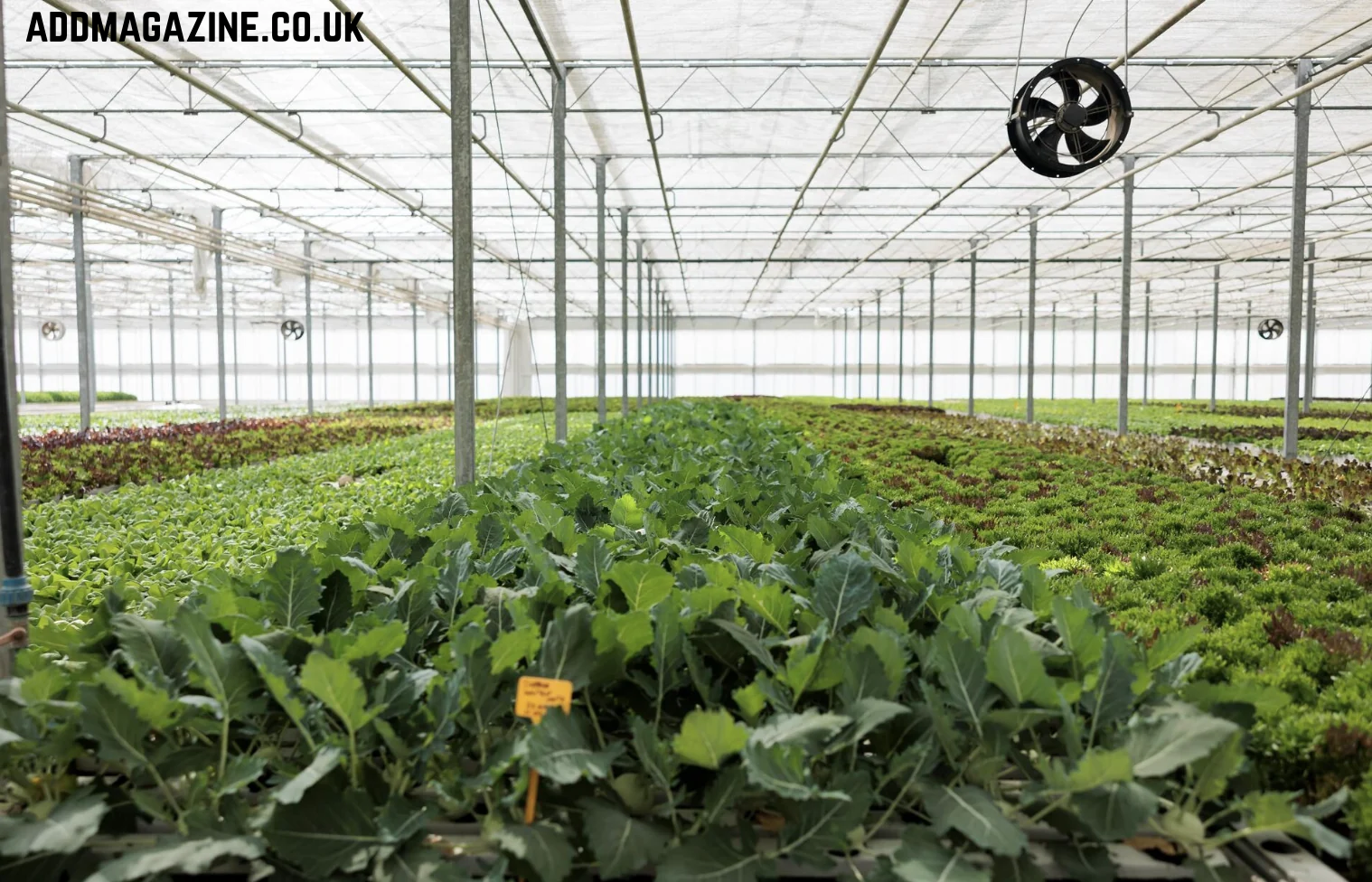
Running a greenhouse today means more than watering and checking vents by hand. Sensors track temperature and humidity around the clock. Automated systems open vents and adjust irrigation on their own, often before a grower even walks the rows.
This changes what the job looks like day to day. Besides the plants, you’re managing the equipment that keeps those plants alive. It means power supply, software updates, and maintenance schedules are now part of the work too. A well-tuned system can save hours of labor and protect a crop from stress. A system that fails, even for a few hours, can undo weeks of growth just as quickly.
This guide breaks greenhouse climate control into three parts: the technology behind it, the productivity it’s meant to deliver, and the business risk that comes with depending on it.
What Technology Actually Drives Greenhouse Climate Control?
Six systems typically work together to drive greenhouse climate control, each handling a different part of the environment.
- Heating systems: Maintain minimum temperatures during cold nights and winter months.
- Ventilation and cooling systems: With exhaust fans and evaporative cooling pads, they manage heat buildup during warmer periods.
- Humidity control equipment: Foggers and dehumidifiers keep moisture levels within a workable range for the crop you’re growing.
- CO2 dosing systems: Supplement carbon dioxide levels to support stronger plant growth.
- Automated shading and curtains: Adjust light exposure as conditions change throughout the day.
- Sensors and controllers: Monitor conditions around the clock and trigger adjustments across every system above.
Each piece plays a specific role. Together, they’re meant to hold a stable environment without someone standing there making constant adjustments by hand.
How Does Climate Control Technology Improve Productivity?
Climate control technology improves productivity by keeping growing conditions steady day after day. Consistent levels of warmth and illumination create ideal conditions for steady, balanced plant development. That consistency is what turns into higher yields and reliable harvest dates. Here’s where the productivity gains show up:
- Fewer manual checks: Automated systems handle the adjustments, so staff spend less time walking rows and checking equipment by hand.
- Faster response times: Sensors catch a temperature or humidity shift and trigger a fix within minutes, well before it stresses the crop.
- Better crop timing: Stable conditions help growers hit planting and harvest windows on schedule. This matters when buyers expect delivery on a set date.
- Reduced waste: Fewer swings in temperature or humidity mean fewer plants lost to stress, disease, or slow growth.
A greenhouse running a well-tuned climate control system ships crops on time and loses less product along the way. Those gains depend entirely on the system staying up and running, which is exactly why greenhouse insurance belongs in the conversation before a breakdown forces the issue.
Where Does Productivity Depend on Technology Working Correctly?
Productivity gains from greenhouse climate control depend on the technology performing correctly every single day. Four dependency points determine whether that happens.
- Power supply: Most climate control systems run on electricity. A power interruption stops heating, cooling, or ventilation all at once.
- Internet or network connectivity: Many systems rely on connected sensors and remote monitoring. A network outage cuts off your visibility into current conditions.
- Sensor accuracy: A miscalibrated sensor feeds the system bad data. The system then makes adjustments based on that bad data. It can push conditions further from where they need to be.
- Routine calibration and upkeep: Equipment that isn’t checked regularly drifts out of accurate range over time, often without any obvious warning sign.
What Business Risks Come with Relying on Automated Systems?
Automated climate control systems carry four main risks: crop loss, equipment damage, business interruption, and delivery delays. All four trace back to one weak point. The system depends on power, connectivity, and hardware that can fail without warning.
Here’s how that single failure ripples outward:
- Crop loss: Extended time outside the acceptable temperature or humidity range stresses plants fast, and some crops won’t recover.
- Equipment damage: Systems under stress, or shut down the wrong way during an outage, can suffer damage that costs more to fix than the outage itself.
- Production interruption: A damaged crop or a failed system doesn’t just cost you that batch. It pushes back your entire production schedule.
- Contract or delivery delays: Buyers expect product on a set timeline, and a delay on your end can strain that relationship or cost you the account.
These risks show up regularly in greenhouse operations. Any facility running equipment-dependent systems around a live crop carries this exposure as part of daily operations.
How Can Growers Balance Technology Investment with Risk Management?
Growers balance automation and risk by building a routine that catches problems early, before they turn into losses. That means backup systems, regular checks, and a documented process everyone on staff can follow. Here’s what that routine should include:
- Back up your power supply: Install a generator for critical systems like heating and ventilation, so a power outage doesn’t shut down your operation overnight.
- Set up redundant alerts: Notify more than one person when conditions move outside the acceptable range. This way, a missed text or a dead phone doesn’t leave your crop unmonitored.
- Schedule maintenance on a calendar: Bring in a qualified technician at set intervals rather than waiting for equipment to fail first.
- Document every system check: Keep records of repairs and calibration dates. You’ll need this history if a claim or a warranty dispute comes up later.
- Train staff on manual overrides: Make sure someone on-site knows how to run heating and ventilation by hand if the automated system goes down.
None of this removes risk completely. A generator can still fail, and a technician can still miss something. But this routine closes the distance between what your technology is supposed to do and what happens on a bad day.
Protecting Productivity Gains Against Operational Risk
A climate control failure can undo weeks of productivity gains in a single night. This is why risk planning belongs in the same conversation as technology and productivity. Most growers can point to exactly how much their systems save in labor hours or how much faster crops reach harvest.
Fewer can say what happens financially if a heating system fails or a sensor stops reporting accurate data. Risk doesn’t show results the way productivity does. It sits unnoticed until the night a generator doesn’t kick in or an alert never reaches anyone’s phone. However, by then, the decision that mattered was made months earlier.
NIP Group works with greenhouse and nursery operators on exactly this gap through its GrowPro program. It’s built around exposures specific to greenhouse businesses: equipment breakdown, crop loss, and the operational disruption that follows a failed climate control system. GrowPro is backed by carriers holding an A+ rating. It means those carriers have a superior financial ability to pay out claims when growers need them most.
FAQs
- What temperature range should greenhouse climate control maintain?
Greenhouse climate control should maintain temperatures based on the crop. But most operations target 65°F to 85°F during the day and slightly cooler at night. Vegetable and flower crops often need tighter ranges than hardier nursery stock.
- How much does a greenhouse climate control system cost to install?
Cost depends on greenhouse size, crop type, and how many systems you’re automating. A basic setup with ventilation and heating controls costs less than a full system with CO2 dosing and automated shading. Common cost factors include:
- Size of the greenhouse and number of zones being controlled
- Number of systems being automated (heating, cooling, humidity, shading)
- Whether you’re retrofitting an existing structure or building new
- Ongoing costs for sensors, software, and maintenance contracts
- Can small greenhouse operations automate climate control affordably?
Small greenhouse operations can automate climate control in stages rather than all at once. Many start with a single controller managing ventilation and heating, then add humidity or shading systems as the budget allows.
- How Do Active and Passive Greenhouse Climate Management Systems Differ?
Passive climate control relies on structural design, like roof vents and shade cloth, to manage conditions without power. Active climate control uses powered equipment, such as fans and automated sensors, to adjust conditions in real time.