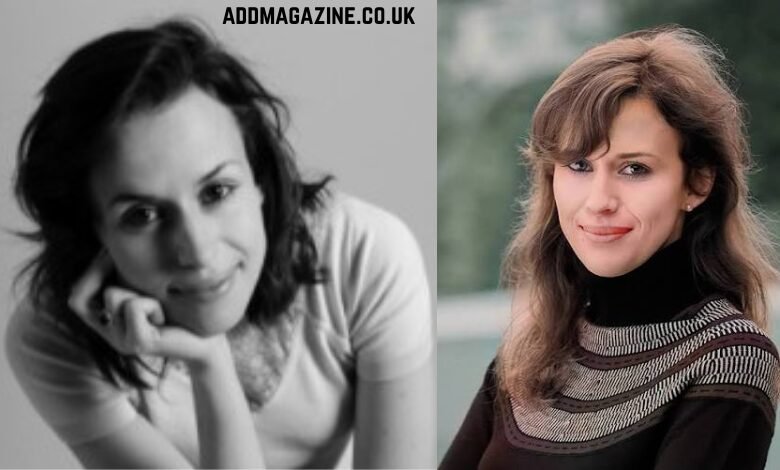

Shani Levni is a name that appears in discussions about visual art, cultural expression and creative storytelling. Online profiles introduce her as an Israeli artist interested in exploring human experiences through different artistic forms. Unlike artists who become widely recognised through major exhibitions or commercial success, her public identity is largely shaped by digital publications discussing her background and reported creative activities.
What makes the subject interesting is the connection between the artistic themes associated with her and the limited information about her actual life. Readers searching for her name often encounter descriptions of painting, photography and cultural projects. However, establishing a complete picture of her career requires separating available information from details that remain uncertain.
Who Is Shani Levni?
Shani Levni is described in various online accounts as a creative professional with interests extending across different branches of visual art. Rather than working within one established category, her reported approach involves exploring ideas through images, objects and experimental compositions. Her name is particularly associated with subjects such as personal identity, emotional experiences and cultural connections.
Despite the growing number of articles about her, Levni does not have the extensive public documentation usually associated with internationally recognised artists. Information about her professional activities remains scattered, and many biographical details have not been independently established. This limited documentation makes her background difficult to examine in the same way as that of an artist with an established public portfolio.
Understanding Her Early Background
Some biographical accounts connect Levni with Tel Aviv, where artistic expression exists alongside a mixture of historical influences and modern cultural developments. The city provides an environment in which creative professionals can encounter different languages, traditions and approaches to design. These surroundings may offer useful context for understanding the interests attributed to her.
However, her childhood remains largely undocumented. Little dependable information is available about the circumstances in which she grew up or the people who influenced her earliest creative decisions. Although some publications provide specific personal details, these should not automatically be accepted as confirmed facts. Her early background remains an area where further reliable information is needed.
Education and Creative Development
The educational journey of a creative professional often shapes how they approach artistic challenges. Learning about composition, materials and visual communication can help an individual develop a distinctive working method. In Levni’s case, online biographies suggest that she studied fine arts and developed an interest in experimenting with different creative techniques.
Some reports associate her educational background with artistic institutions in Israel and Europe. These accounts suggest that her training extended beyond conventional studio practice and introduced her to broader ideas about culture and society. Nevertheless, her precise academic qualifications remain unconfirmed. Without direct institutional documentation, it is difficult to establish where she studied or which programmes she completed.
Exploring Different Forms of Artistic Expression
The creative profile associated with Shani Levni includes several artistic disciplines. Painting, photography and installation work are regularly mentioned in descriptions of her interests. Each medium offers a different way of presenting an idea. Painting can communicate an experience through colour and form, while photography can preserve a particular moment or encourage viewers to reconsider familiar surroundings.
Working across different artistic formats allows creative professionals to approach a subject without being restricted by one technique. The descriptions surrounding Levni suggest that this flexibility forms part of her reported artistic identity. Rather than concentrating entirely on producing visually attractive objects, the creative approach attributed to her appears concerned with the meaning behind those objects and their relationship to everyday life.
The Connection Between Art and Personal Identity
Questions about identity frequently appear in discussions of Levni’s reported work. Personal identity develops through experiences, relationships and the social environments in which individuals live. Creative professionals may examine these influences by presenting familiar objects in unfamiliar ways or using visual elements to represent experiences that cannot easily be explained through language.
The artistic interests associated with Levni suggest an appreciation for the relationship between individual experiences and wider cultural influences. Such themes can encourage viewers to consider how their backgrounds affect their understanding of themselves and others. Rather than offering straightforward answers, artwork dealing with identity often creates opportunities for reflection and interpretation.
Memory as a Source of Creative Inspiration
Memories are rarely complete records of past experiences. People remember certain details while forgetting others, and their understanding of particular events may change over time. This makes memory an interesting subject for artistic exploration. Objects, photographs and handwritten messages can become starting points for examining how individuals interpret their personal histories.
Online descriptions of Levni frequently connect her artistic interests with memory and emotional expression. These themes suggest a creative approach that values personal experiences as potential material for visual storytelling. A familiar image or ordinary object may carry significance beyond its physical appearance. However, individual examples of her reported artwork remain difficult to authenticate, limiting detailed analysis of how she explores these subjects.
Shani Levni and Cultural Heritage
Cultural heritage includes traditions, language, customs and experiences passed between generations. Artists may explore these subjects to understand their relationship with the communities from which they come. Creative work can preserve elements of cultural history while examining how traditions change when people encounter different environments.
Levni’s reported artistic identity is often connected with this relationship between heritage and contemporary experience. Her interests are described as reflecting the ways in which cultural influences shape personal understanding. Such an approach does not necessarily involve reproducing traditional artistic styles. Instead, it may involve reconsidering familiar cultural elements through modern techniques and individual interpretations.
Reported Projects and Artistic Recognition
Several digital publications attribute creative projects and exhibition activities to Shani Levni. These accounts present her as an artist interested in sharing ideas through visual installations and collaborative work. Some descriptions also suggest that her projects examine the emotional significance of familiar places, personal relationships and cultural experiences.
However, a complete and independently confirmed record of her exhibitions is not readily available. Establishing an artist’s professional achievements normally requires documentation such as exhibition catalogues, gallery announcements or authenticated portfolios. The absence of such records means that claims about Levni’s awards, specific projects and international recognition should be treated carefully.
Personal Life and Public Curiosity
Interest in Levni’s background has extended to questions about her family and relationships. Readers frequently want to know whether she is married, has children or shares her personal life publicly. These questions remain difficult to answer because dependable information about her private circumstances is limited.
Some websites have mentioned a possible connection between Levni and Israeli actor Michael Aloni. However, there is insufficient reliable evidence to establish the nature of any relationship between them. Presenting unconfirmed personal information as fact would create an inaccurate account of her life. Her creative identity can be discussed without making assumptions about relationships or family circumstances that have not been publicly established.
Why Is Information About Shani Levni Limited?
One reason researching Levni can be challenging is that much of the available information originates from independent online publications. When websites repeat similar details without identifying their original sources, readers may struggle to determine which claims have been properly verified. A detailed article is not necessarily an accurate one simply because it includes dates, educational institutions and professional achievements.
This situation highlights the difference between online visibility and documented public recognition. Although Levni’s name appears in numerous articles, the available material does not establish every aspect of the biography associated with her. A more complete understanding would require dependable original records, direct statements or professional documentation confirming her reported activities.
Conclusion
Shani Levni remains a subject of curiosity because of the artistic interests, cultural themes and personal background associated with her name. The available accounts describe a creative identity connected with visual storytelling, memory and multidisciplinary expression. These subjects offer an interesting perspective on how art can communicate individual experiences and cultural connections.
Nevertheless, important questions concerning her education, professional achievements and personal life remain unanswered. Her story demonstrates why accurate biographical writing requires more than collecting information from repeated online descriptions. Until further reliable documentation becomes available, the most responsible approach is to recognise her reported creative interests while avoiding unsupported conclusions about her life and career.