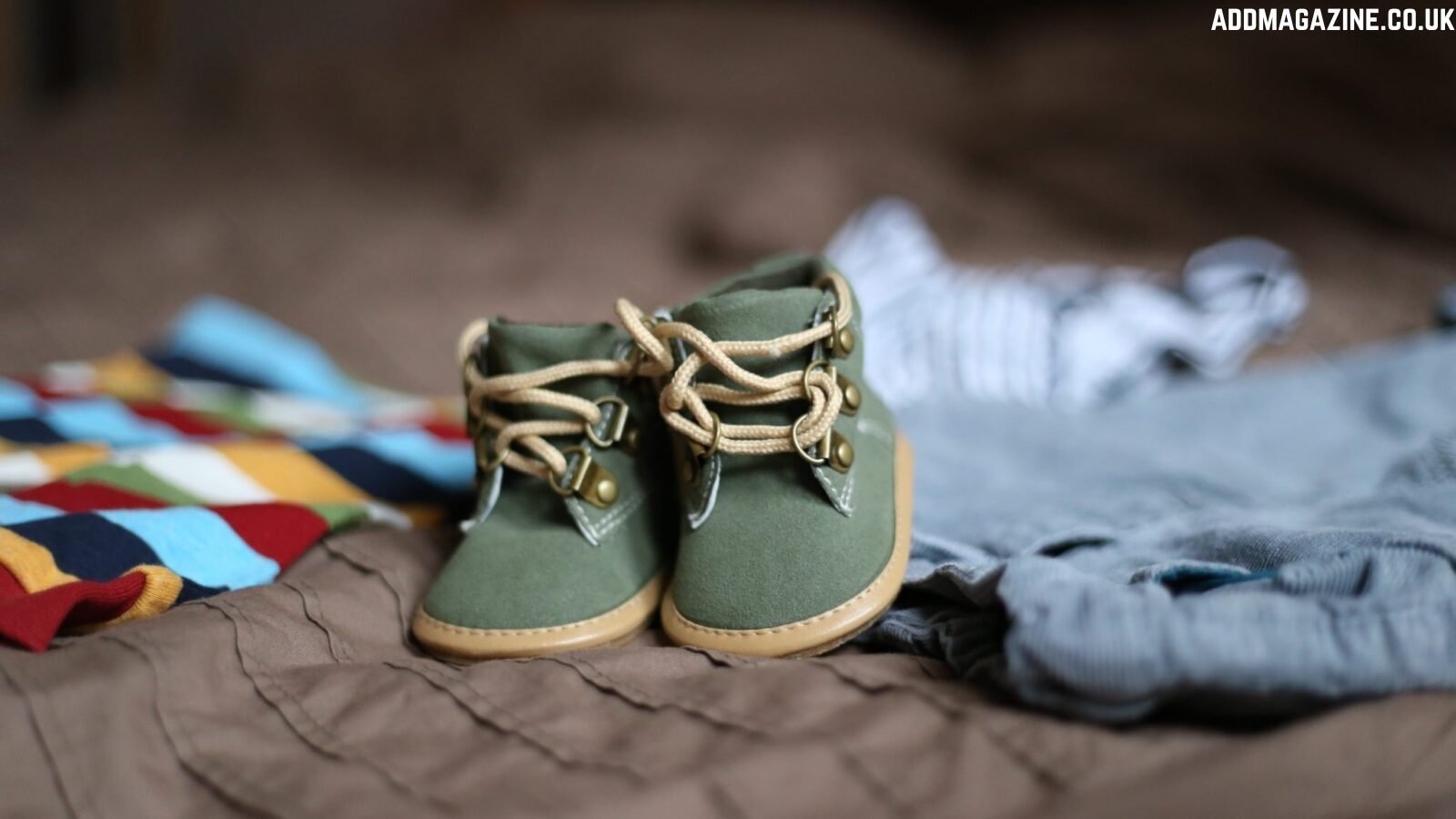
The children’s footwear market is growing quickly because parents are becoming more careful about what their kids wear every day. Shoes are no longer seen only as a basic need. They are now connected with comfort, safety, style, confidence, and even brand trust. For businesses, this means children’s shoes must be designed with more attention and care than ever before.
A good pair of kids’ shoes should support active movement, protect growing feet, and look attractive enough for children and parents to love. Whether a child is going to school, playing outside, attending a family event, or walking during travel, the right footwear makes a real difference.
This is why many retailers, wholesalers, and private-label brands focus on sourcing reliable Chinese Children’s Shoes that can meet modern customer expectations. The goal is not only to sell shoes but to offer footwear that parents can trust and children can enjoy wearing.
The Changing Expectations of Parents
Today’s parents are more informed than before. They do not simply buy shoes because they look cute. They also think about comfort, durability, foot support, materials, sizing, and safety. If a pair of shoes causes discomfort or wears out quickly, parents may not buy from the same brand again.
This makes quality very important for businesses. A footwear brand that wants to grow must understand what parents are really looking for. They want shoes that are:
- Comfortable for daily use
- Safe for walking and playing
- Stylish for different occasions
- Durable enough for active kids
- Easy to wear and remove
- Suitable for growing feet
- Made with reliable materials
When a brand delivers these qualities consistently, it builds stronger customer trust.
Why Design Matters in Children’s Shoes
Design is not only about color, shape, or fashion. In children’s footwear, design also affects comfort and movement. A shoe may look beautiful, but if it is too stiff, heavy, or narrow, children will not feel comfortable wearing it.
Good design starts with understanding how children move. Kids run, jump, bend, twist, and change direction quickly. Their shoes must support these movements without creating pressure. A flexible sole, soft upper, padded inside, and secure closure can make the shoe much more comfortable.
A well-designed children’s shoe should include:
- Enough toe space
- A flexible outsole
- Lightweight construction
- Soft inner material
- Secure fitting system
- Smooth finishing
- A balanced shape
These design features help children stay active and comfortable throughout the day.
The Importance of First Impressions
When parents see a pair of children’s shoes, the first thing they notice is the appearance. Color, style, finishing, and shape create the first impression. If the shoe looks attractive and well-made, customers are more likely to consider buying it.
However, appearance alone is not enough. After the first impression, customers look at quality. They check the sole, stitching, material, weight, and comfort. This is why children’s footwear must balance visual appeal with practical performance.
For brands and retailers, a strong product presentation can increase customer interest. Clean finishing, modern colors, and smart packaging can make shoes look more professional. At the same time, the actual product must deliver comfort and durability.
Comfort Builds Repeat Customers
Comfort is one of the biggest reasons customers return to a brand. If children enjoy wearing a pair of shoes, parents remember that experience. They are more likely to buy again because they know the product works well.
Uncomfortable shoes can create many problems. Children may complain, avoid wearing them, or feel tired after walking for a short time. This creates a negative experience for both children and parents.
Comfort depends on several important details:
- Soft cushioning inside the shoe
- Breathable upper materials
- Flexible soles
- Proper heel support
- Lightweight design
- Good size accuracy
- No rough inner seams
A comfortable shoe helps children move naturally. It also gives parents confidence that they made the right purchase.
Durability Is Essential for Active Kids
Children use shoes more roughly than adults. They run in playgrounds, drag their feet, climb stairs, play sports, and wear shoes for long hours. Because of this, durability is a key factor in children’s footwear.
A durable shoe should keep its shape and function even after regular use. The sole should not separate easily. The stitching should stay strong. The upper material should resist normal wear and tear. The shoe should also remain comfortable after repeated use.
Durability is important for customer satisfaction because parents want value for their money. If a pair of shoes breaks too quickly, it can damage the brand’s reputation. But when shoes last longer, customers feel satisfied and trust the brand more.
Safety Should Never Be Ignored
Safety is another important part of children’s footwear. Kids often move quickly and may not always watch where they step. Shoes should help reduce the risk of slipping, tripping, or discomfort.
Anti-slip soles are especially important for young children. A strong grip helps children walk more safely on smooth floors, playground surfaces, and outdoor paths. Secure closures also help keep the shoe in place during movement.
Important safety features include:
- Non-slip outsole
- Stable heel support
- Secure straps, laces, or elastic
- Protective toe structure
- Proper sole thickness
- Smooth inner finishing
- Reliable material quality
A safe shoe allows children to enjoy activities with more confidence.
Why Material Selection Matters
Materials affect almost every part of a shoe. They influence comfort, weight, breathability, durability, appearance, and price. Choosing the right material is one of the most important steps in children’s shoe production.
Mesh is often used for breathable sneakers. Canvas works well for casual shoes. Leather and PU are common in school shoes and formal styles.
For example:
- School shoes need strong and easy-to-clean materials
- Summer shoes need lightweight and breathable materials
- Winter shoes need warmer and protective materials
- Casual shoes need comfort and flexibility
- Dress shoes need a clean and stylish appearance
A professional footwear manufacturer can help brands choose the right material for each product type.
Customization Helps Brands Stand Out
The children’s footwear market is competitive, and many products can look similar. Customization helps brands create their own identity. Instead of selling common designs, businesses can offer shoes that reflect their brand style and customer needs.
Custom children’s shoes can include special colors, logos, patterns, materials, soles, packaging, and size ranges.
Common customization options include:
- Logo placement on shoes
- Custom printed insoles
- Unique color combinations
- Branded packaging
- Special outsole designs
- Seasonal collections
- Custom material selection
- Private label support
For online sellers and retailers, custom footwear can help create a stronger brand image and better customer recognition.
The Role of Quality Control in Brand Growth
Quality control is one of the most important parts of footwear production. Even a good design can fail if production quality is poor. Shoes must be checked carefully before they reach customers.
A proper quality control process can include checking:
- Material quality
- Stitching strength
- Sole bonding
- Size accuracy
- Color consistency
- Finishing details
- Comfort and flexibility
- Packaging condition
For businesses, consistent quality means fewer complaints, fewer returns, and better customer reviews.
Parents remember brands that provide reliable products for their children.
Why Sizing Accuracy Is Important
Sizing is a major concern in children’s footwear. Kids grow quickly, and different markets may follow different size standards. If sizing is not accurate, customers may face problems, especially when buying online.
A shoe that is too small can cause pressure and discomfort. A shoe that is too large can make walking unstable. Both situations can create dissatisfaction.
Good sizing should consider:
- Foot length
- Foot width
- Age group
- Growth space
- Market size standards
- Shoe shape
- Closure adjustment
This is especially helpful for e-commerce businesses where customers cannot try the shoes before purchasing.
Packaging Also Affects Customer Experience
Packaging may seem like a small detail, but it plays an important role in customer experience. A well-packaged pair of shoes looks more professional and valuable.
For brands, packaging is also a chance to improve brand identity. A box with a logo, size details, clean design, and product information can create a better impression.
Good packaging can include:
- Strong shoe box
- Brand logo
- Size label
- Clean product presentation
- Protective wrapping
- Easy storage design
When customers receive a well-packaged product, it improves their overall buying experience.
The Rise of Private Label Children’s Shoes
Private label footwear is becoming popular among many businesses. It allows retailers and online sellers to sell shoes under their own brand name.
Private label children’s shoes can be designed according to the business’s target market.
Private label production is useful for:
- Online footwear stores
- Boutique children’s brands
- Wholesalers
- Retail chains
- Fashion startups
- School shoe suppliers
- Seasonal footwear sellers
With the right manufacturing partner, private label brands can create professional footwear collections that match customer demand.
How Reliable Manufacturing Supports Business Success
A reliable footwear manufacturer can help businesses in many ways. They can support product development, sample making, material selection, production planning, quality checking, and packaging. This makes the process easier for brands and retailers.
Working with an experienced manufacturer can also reduce mistakes. Good communication during production helps ensure that the final product matches the approved design and quality expectations.
The right partner can provide:
- Design support
- Material guidance
- Sample development
- Custom branding options
- Bulk production
- Quality control
- Packaging solutions
- Market-focused product suggestions
When sourcing Chinese Children’s Shoes, requires collaboration with manufacturers that prioritize quality standards, comfort, and changing retail trends.
Building Long-Term Customer Trust
Trust is one of the strongest assets for any footwear brand. If they trust a brand, they are more likely to buy again and recommend it to others.
Trust is built through consistent quality, comfortable designs, safe materials, accurate sizing, and good customer experience. Every pair of shoes represents the brand. If the product performs well, customers remember it positively.
A successful children’s footwear brand should focus on:
- Product comfort
- Long-lasting quality
- Attractive design
- Safe construction
- Honest sizing
- Reliable production
- Better customer satisfaction
These elements help a brand grow in a competitive market.
Final Thoughts
Children’s footwear is a special category because it combines fashion, comfort, safety, and function. Parents need products they can trust, while businesses need footwear that can compete in the market.
A strong children’s shoe is not created by design alone. It requires the right materials, careful sizing, proper construction, quality control, and reliable manufacturing support. Brands that focus on these details can build better products and stronger customer relationships.
For businesses looking to create dependable and stylish children’s footwear collections, working with an experienced manufacturing partner can make a major difference. With professional support, brands can offer shoes that meet customer expectations and support long-term business growth.
In conclusion, businesses seeking dependable children’s footwear products and flexible customization services may find bebenelle.com a practical partner.