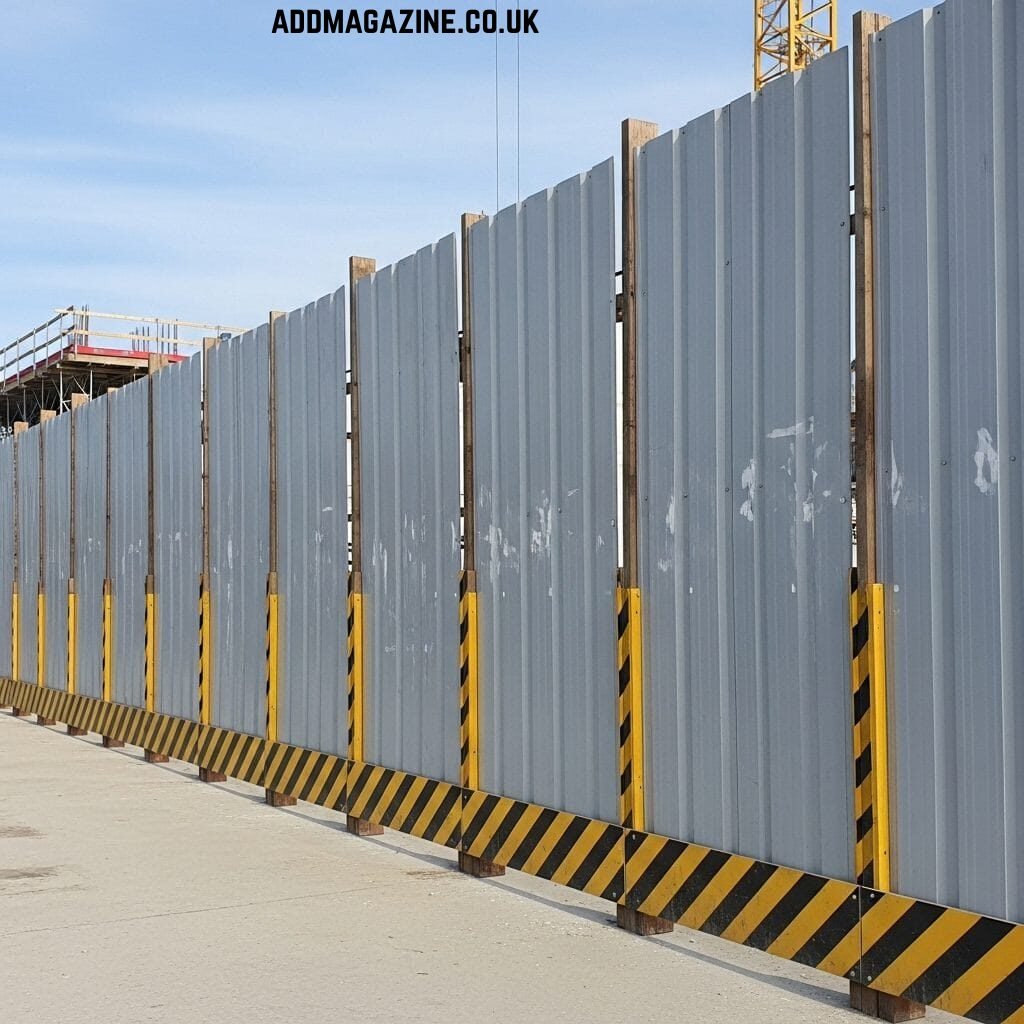
Walk past almost any construction site and the first thing you’ll notice isn’t the building itself—it’s the space surrounding it. Before foundations are complete or cranes disappear from the skyline, people are already forming opinions about the project. Well-designed construction hoarding does far more than secure a site. It creates a first impression, communicates professionalism and offers developers an opportunity to present their vision long before the finished building comes into view. In busy urban environments, those temporary barriers often become the public face of a project for months, or even years.
First Impressions Begin Before the Building Is Finished
Every construction project becomes part of the local environment from the day work begins. Residents walk past it on their commute, businesses operate nearby and visitors naturally notice how the site is presented. Long before anyone sees the completed development, opinions are shaped by what surrounds it.
A clean, well-maintained construction hoarding immediately signals organisation and professionalism. It suggests attention to detail and demonstrates that the project is being managed responsibly. By contrast, poorly maintained barriers covered in faded graphics or damaged panels can create the opposite impression, influencing how people perceive both the project and the organisation behind it.
For commercial developments, these first impressions can even influence future customers or tenants. A thoughtfully presented site communicates confidence and helps generate interest before the doors officially open.
Why Construction Hoarding Is More Than a Safety Requirement
Site security remains its primary purpose, but today’s hoarding performs many additional roles. Project teams now see temporary barriers as more than safety features, using them to strengthen branding, enhance public interaction, and shape attractive urban environments.
Turning Temporary Barriers into Brand Assets
Instead of leaving large blank surfaces around a site, developers often use them to communicate the story behind the project. Branding elements, architectural visuals and project information transform ordinary fencing into an engaging display that reflects the company’s identity.
Whether introducing a new residential community, retail destination or commercial office space, branded hoarding helps people understand what is being built while reinforcing confidence in the organisation delivering it.
Improving the Streetscape
Construction inevitably changes the appearance of surrounding streets, but thoughtful design can reduce its visual impact. High-quality graphics, attractive imagery and coordinated branding create a cleaner environment that feels more considered than plain timber panels or temporary fencing.
In busy town centres, shopping districts and regeneration areas, visually appealing hoarding contributes to a more positive experience for pedestrians while helping maintain the character of the surrounding streetscape.
Communicating with the Public
Good communication helps build trust throughout the construction process. Project hoarding can clearly display construction updates, estimated completion timelines, key contact information, and essential safety notices in a way that is easy to understand without distracting pedestrians.
Providing clear, accessible information demonstrates openness and helps local communities understand what changes they can expect over the coming months.
Design Elements That Influence Public Perception
Effective hoarding isn’t created through large graphics alone. A combination of thoughtful design decisions helps shape how people perceive a project from a distance as well as close up.
| Design Element | Impact |
| Clear branding | Builds recognition and credibility |
| High-quality graphics | Creates a professional appearance |
| Simple messaging | Makes information easy to understand |
| Consistent colours | Reinforces brand identity |
| Clean installation | Enhances overall visual appeal |
Together, these elements help ensure construction hoarding becomes a positive extension of the project rather than simply a temporary boundary. Consistency in design also strengthens recognition across multiple developments, particularly for organisations managing projects in different locations.
Where Construction Hoarding Creates the Greatest Value
Almost every type of development benefits from presenting a professional image throughout the construction process. However, some projects gain particular value from investing in well-designed construction hoarding because of their visibility or long construction periods.
Commercial office developments often use branded graphics to promote future workspace opportunities before completion. Residential projects introduce prospective buyers to the development while generating interest within the local market. Retail refurbishments help maintain brand visibility during renovation work, reassuring customers that businesses will soon reopen.
Large infrastructure projects can use hoarding to explain long-term improvements, helping communities understand temporary disruption. Public sector developments, such as schools or healthcare facilities, benefit from communicating project objectives clearly while reinforcing transparency throughout construction.
Mixed-use developments, where residential, retail and commercial spaces are combined, also rely on consistent visual communication to present a unified identity from the earliest stages of the project.
The Subtle Design Details That Deliver Lasting Impact
The most successful hoarding designs are often built around simple principles rather than complicated layouts. Small improvements can significantly increase readability, professionalism and public engagement.
Some practical considerations include:
- Use clear, easy-to-read typography.
- Keep messaging concise and focused.
- Maintain consistent branding across every panel.
- Choose high-resolution imagery and graphics.
- Include wayfinding or directional information where appropriate.
- Replace damaged or weathered panels promptly.
Attention to these details ensures the presentation remains professional throughout the life of the project instead of gradually deteriorating as construction progresses.
Building Confidence Before the Doors Open
Successful developments begin building relationships long before the completed building welcomes its first occupants. Throughout the construction process, every interaction with the public contributes to the reputation of the project and the organisations delivering it.
Well-designed construction hoarding supports that objective by creating a professional appearance, communicating clearly and helping local communities understand what is taking place behind the barriers. Rather than becoming part of the disruption, it becomes part of the conversation, offering reassurance while reflecting the quality and ambition of the development itself.
Looking Beyond the Construction Phase
Construction projects inevitably create temporary changes to the surrounding environment, but those changes do not have to leave a negative impression. Thoughtful design, clear communication and consistent branding can transform temporary barriers into valuable public-facing assets that contribute positively to the streetscape.
When projects invest in presenting themselves well from the very beginning, they demonstrate professionalism, strengthen community confidence and establish a positive identity that continues long after the barriers have been removed. In many cases, the story of a successful development starts well before the building is complete.
Author Bio: Nimesh Kerai
Nimesh Kerai leads the print production team at Hoarding Printing Company London, where he oversees the creation of premium large-format printing solutions. With extensive technical expertise and a sharp understanding of evolving industry demands, he has played an important role in the company’s continued success. Passionate about the printing sector, Nimesh regularly shares practical knowledge, emerging trends, and professional insights through informative articles that help businesses and readers stay informed.