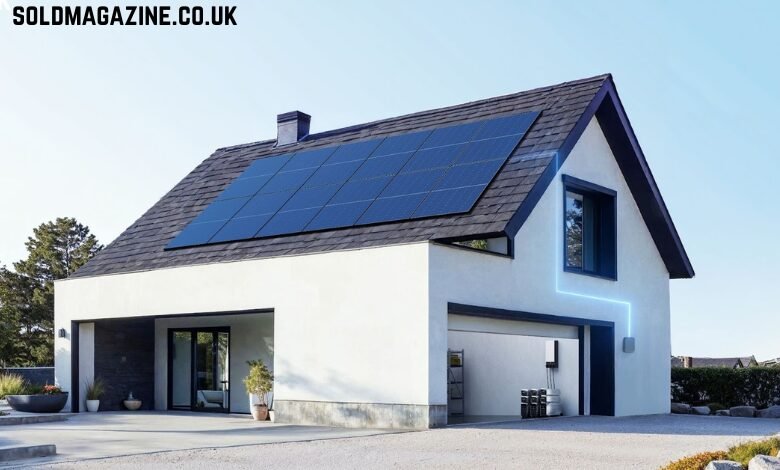
Hybrid solar system are one of the most versatile and reliable solutions for powering multiple buildings with shared electricity needs. More and more businesses, campuses, and residential complexes are turning to hybrid solar systems to reduce grid reliance, stabilize energy costs, and improve sustainability. However, when multiple buildings share a hybrid solar system, proper sizing is crucial. Miscalculation can lead to inefficiencies, excessive battery drain, or poor system performance.
Basics of Shared Load Design for Hybrid Solar System
Hybrid systems combine solar panels, inverters, and batteries with a grid connection to ensure continuous power even at night or during grid outages.
When powering multiple buildings, hybrid solar power system must utilize a shared distribution architecture. This architecture balances load distribution between buildings and ensures stable voltage across all facilities. Furthermore, the design must account for demand fluctuations, such as peak demand at one building and low demand at another. As an experienced hybrid solar system manufacturer, we emphasize the importance of performing a load analysis before selecting any equipment. This requires analyzing the daily and seasonal energy consumption patterns of all connected buildings. Without an accurate load analysis, even the best solar equipment will underperform or operate inefficiently.
Calculating the Total Energy Requirements of a Hybrid Solar System
The cornerstone of sizing any hybrid solar system is determining total energy consumption. For multi-building systems, this requires summing the daily energy consumption of each building, measured in kWh. The formula is simple: Total load (kWh/day) = Sum of individual building loads × Diversity Factor
The diversity factor accounts for the fact that not all buildings reach peak energy consumption at the same time. For example, an office building may peak during the day, while a residential complex consumes more energy at night. Accounting for this diversity helps avoid oversizing the system and reducing unnecessary costs. As a professional hybrid solar system manufacturer, we use advanced monitoring tools to collect accurate energy data, typically through smart meters and energy audits. These insights enable precise modeling of energy flows and consumption trends, which is crucial for determining the appropriate solar panel, inverter, and battery sizing.
Estimating the Solar Power Generation of a Hybrid Solar System
After determining the total load, the next step is to calculate how much solar energy the hybrid solar system can generate. This requires evaluating factors such as sunlight duration, panel efficiency, shading conditions, and geographic location.
The formula for estimating daily solar power generation is: Solar output = Solar panel capacity × Peak sunshine hours × System efficiency.
For example, if you install a 100-kW solar panel system in an area with 5 hours of peak sunshine per day and an 80% system efficiency, your daily solar output would be:
100 × 5 × 0.8 = 400 kWh/day.
Professional hybrid solar power system manufacturers also perform shading analysis and tilt optimization studies to ensure maximum utilization of sunlight. Even a 10% shading loss can reduce annual power generation by up to 15%, which is significant for multi-building systems. Furthermore, the solar array configuration must be matched to the total inverter capacity to avoid power bottlenecks. For most hybrid systems, the solar capacity to inverter capacity ratio is typically between 1.1 and 1.3. Balancing this ratio ensures that your hybrid solar system operates efficiently under varying weather conditions.
Determining Battery Storage Requirements
A key advantage of hybrid solar systems over standard grid-tied systems is energy storage. Batteries play a vital role in maintaining power supply during periods of low sunlight or grid outages.
The general formula for determining the required battery capacity is: Battery Storage = Daily Energy Demand × Autonomy Days × Safety Margin
Autonomy days refers to the number of days your system can operate without sunlight; commercial projects typically range from 1-3 days. A 10-20% safety margin helps protect battery health and ensure long-term reliability. Professional hybrid solar system manufacturers generally recommend LiFePO4 batteries for multi-building systems due to their improved cycle life, safety, and energy density. A battery management system (BMS) also monitors the performance of each battery to ensure balanced charge and discharge cycles. To optimize costs and extend service life, integration of intelligent load management systems is also encouraged.
Inverter and Controller Sizing
The inverter is the brain of a hybrid solar power system, converting the DC power from the solar panels and batteries into AC power for use by the buildings. When planning a system with shared loads, it is crucial to select an inverter capable of simultaneously serving the power needs of multiple buildings.
The total inverter capacity should be slightly greater than your total peak load to avoid overloading. For example, if your building draws a total of 80 kW during peak usage, an inverter system rated between 85 and 90 kW will ensure stable operation without performance degradation. Professional hybrid solar system manufacturers also emphasize the importance of modular inverter design. Using multiple smaller inverters rather than a single large inverter provides flexibility and redundancy—even if one inverter fails, the remaining inverters continue to operate, minimizing downtime.
Building a Smarter Energy Network with Hybrid Solar
Designing and sizing a hybrid solar system for multiple buildings and shared loads is a complex but rewarding process. With accurate energy data, careful system design, and the support of an experienced hybrid solar system manufacturer, businesses can achieve long-term energy independence, cost savings, and sustainable development.