
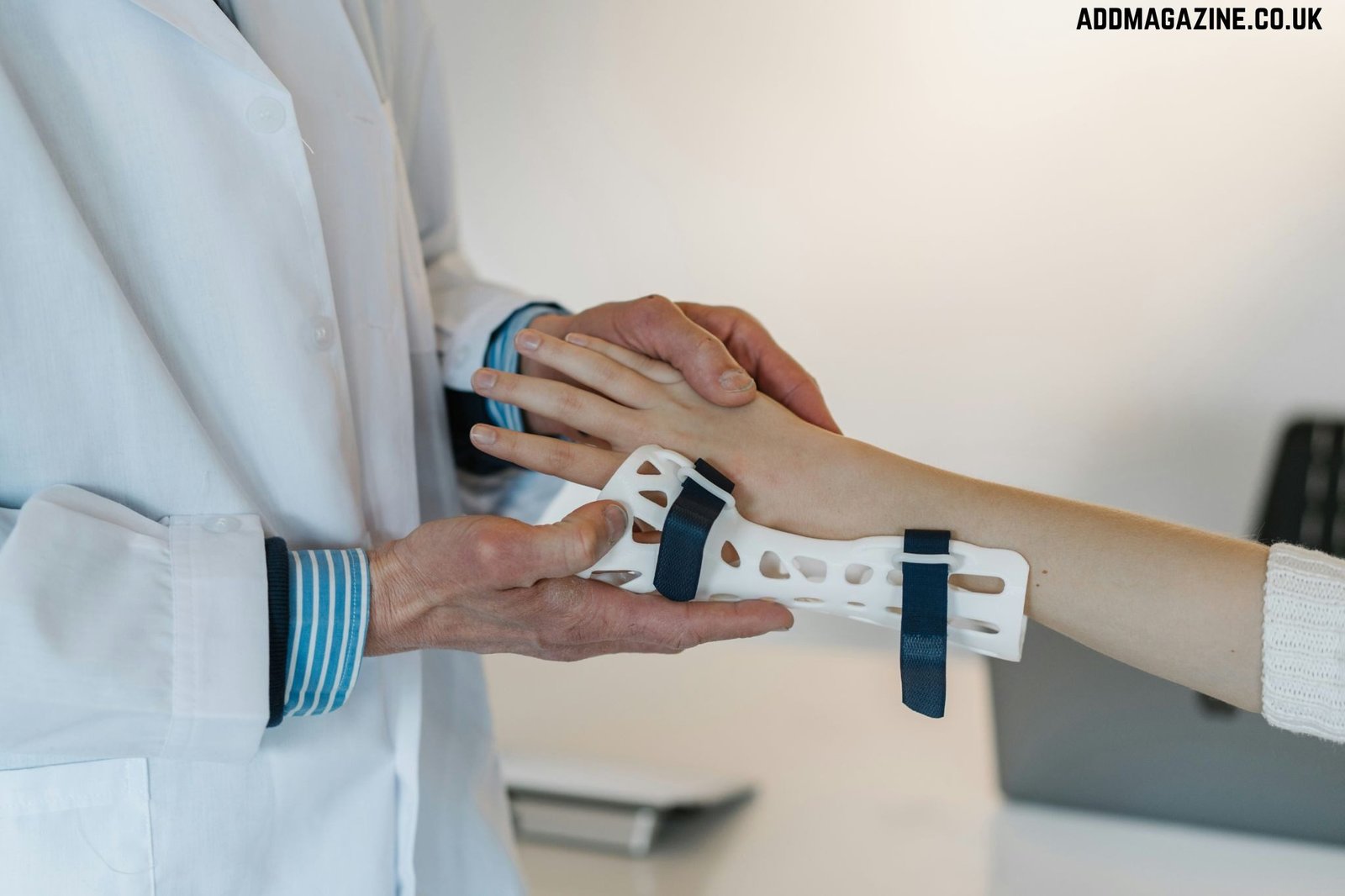
Musculoskeletal health plays a central role in overall mobility, independence, and quality of life. When the body’s support system is damaged by illness or injury, everyday movements can quickly become painful and challenging. Modern medicine offers a wide range of solutions, from conservative therapies to advanced surgical and non-surgical interventions. Among the most important areas of care are specialized bone and joint services and emerging biological treatments that support healing at a deeper level.
Understanding Musculoskeletal Care
The human musculoskeletal system is complex. It supports movement, protects vital organs, and maintains posture. Because of this complexity, conditions affecting it often require highly trained medical professionals who understand both structure and function.
Professionals who focus on orthopedic specialists play a central role in this area, helping patients manage and recover from disorders affecting the skeleton, joints, soft tissues, and movement system. They manage everything from sports injuries and fractures to chronic conditions like arthritis and degenerative joint disease.
These professionals often begin with a detailed evaluation, including physical examination, imaging tests such as X-rays or MRI scans, and patient history. Based on the diagnosis, they may recommend physical therapy, medication, injections, or surgical procedures when necessary. Their goal is not only to reduce pain but also to restore mobility and improve long-term function.
Common Conditions Treated in Orthopedics
Some of the most common include:
- Osteoarthritis and rheumatoid arthritis
- Ligament injuries such as ACL tears
- Tendon injuries like rotator cuff damage
- Fractures and bone trauma
- Spinal disorders including herniated discs
- Sports-related injuries
- Degenerative joint conditions caused by aging or overuse
Each condition presents differently, but most involve some level of pain, stiffness, swelling, or reduced movement. Early diagnosis is important because untreated injuries can worsen over time and lead to chronic disability.
Traditional Treatment Approaches
Treatment in orthopedics has traditionally focused on reducing pain and restoring function. Conservative approaches are usually the first step. These may include:
- Rest and activity modification
- Physical therapy and rehabilitation exercises
- Anti-inflammatory medications
- Corticosteroid injections
- Bracing or immobilization
Common procedures include joint replacement, arthroscopy, ligament reconstruction, and spinal surgery. While surgery can be highly effective, it is often viewed as a later option after conservative care has been explored.
The Rise of Regenerative Medicine in Orthopedics
This is where biological and cell-based therapies are becoming increasingly relevant in musculoskeletal care.
A growing field within this area is regenerative orthopedics, which focuses on using the body’s own cells and healing mechanisms to repair damaged tissues rather than simply managing symptoms. This approach often includes therapies such as platelet-rich plasma (PRP) injections, stem cell treatments, and biologic tissue engineering techniques.
Unlike traditional methods that may rely on medication or mechanical repair, regenerative approaches aim to stimulate tissue repair at a cellular level. This can be particularly beneficial for chronic tendon injuries, early-stage arthritis, and cartilage damage, where natural healing is limited.
How Regenerative Therapies Work
Regenerative treatments typically involve extracting healing components from the patient’s own body, such as blood or bone marrow. These materials are then processed and injected into the injured area to promote healing.
For example, platelet-rich plasma contains growth factors that can support tissue repair and reduce inflammation. Stem cell-based approaches aim to encourage regeneration of cartilage, tendon, or ligament tissue, although research in this area is still evolving.
While results can vary depending on the condition and patient profile, many individuals report reduced pain and improved function over time. However, these therapies are often used alongside rehabilitation programs rather than as standalone solutions.
Benefits and Limitations of Advanced Orthopedic Care
Modern orthopedic treatment offers several important benefits:
- Improved pain management options
- Faster recovery times with minimally invasive techniques
- Expanded non-surgical treatment options
- Personalized rehabilitation programs
- Potential for tissue healing through biological therapies
However, there are also limitations to consider. Not all patients are candidates for regenerative treatments, and outcomes can vary. In some cases, traditional surgical intervention may still provide the most reliable and long-term solution, especially for severe joint damage or advanced degenerative disease.
Cost and accessibility can also be factors, as newer therapies may not always be covered by insurance or widely available in all regions.
When to Seek Specialized Care
It is important to seek medical evaluation when pain or mobility issues persist beyond a few days or begin to interfere with daily life. Warning signs include:
- Persistent joint or muscle pain
- Swelling that does not improve
- Limited range of motion
- Instability in joints
- Pain following injury that does not improve with rest
Early intervention often leads to better outcomes. Delaying treatment can sometimes result in more complex conditions that require longer recovery times.
The Future of Musculoskeletal Treatment
The future of orthopedic medicine is moving toward a more integrated model of care. This includes combining traditional surgical expertise with biological and minimally invasive therapies. Advances in imaging, robotics, and personalized rehabilitation are also improving accuracy and recovery outcomes.
Research continues to explore how regenerative techniques can be refined and made more accessible. As scientific understanding grows, the combination of mechanical repair and biological healing may become the standard approach for many musculoskeletal conditions.
Conclusion
Musculoskeletal health is essential for maintaining independence and quality of life. From acute injuries to chronic conditions, effective treatment requires a comprehensive and personalized approach. Modern orthopedic care continues to evolve, offering patients both traditional and innovative options for recovery. While surgical and conservative treatments remain foundational, biological therapies are expanding possibilities for healing and regeneration.
Together, these advancements are shaping a more holistic future for patients dealing with bone, joint, and soft tissue conditions, improving both short-term relief and long-term outcomes.