Why a small vaccine record can tell an important story
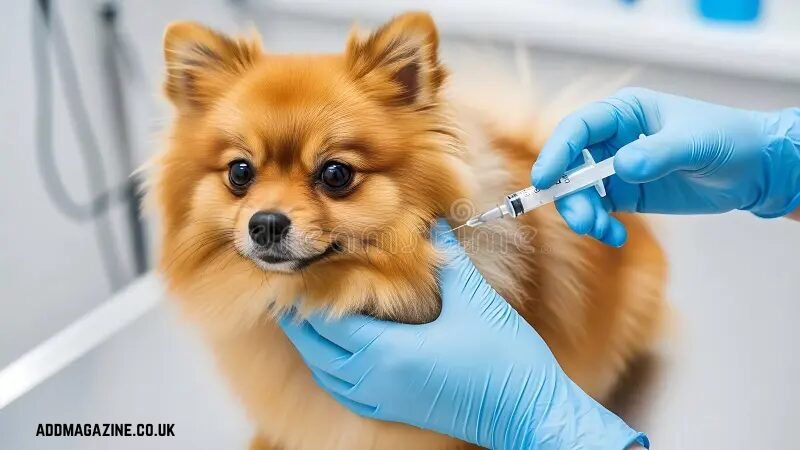
A vaccine record is a quiet little document. It sits in a drawer and asks for no attention. Yet those dates can shape where a dog may safely walk, stay or socialise. They show what protection has been given and when the next review may be due. Without that record, even careful owners can lose track. A health routine planned around dog vaccinations helps place those dates within a wider care plan. It also gives your vet a clearer view of past treatment. That matters because vaccine needs can change with age, health and daily life. A puppy meeting the world faces different risks from an older dog enjoying quieter days.
This guide treats vaccination as a practical habit rather than a yearly mystery. It explains how vets assess risk and why schedules differ between dogs. You will see what to do with an unclear record or missed booster. We will also cover common after-effects and signs that need prompt help. The aim is simple: fewer guesses and better talks with your veterinary team. Vaccines can protect against severe illness, but they must be chosen with care. Your dog’s health history should always guide the final decision. Local risks, travel and contact with other dogs may also affect advice. Once those details are organised, keeping up becomes much easier. The record stops being forgotten paperwork and starts doing a useful job.
How to build a vaccine plan around your dog’s real risks
A sensible plan begins with facts about your dog. Age is important, but it is not the only factor. Health, lifestyle and earlier vaccines also need review. Take all relevant documents and records with you when attending the appointment.
Check 1: Daily contact
Tell the vet where your dog spends time. Parks, kennels and training groups bring different levels of contact. Shared water bowls may also affect exposure. Honest details help the vet judge risk.
Check 2: Past health
Mention long-term illness, medicine and earlier reactions. Do not leave out a mild reaction because it passed quickly. The vet can decide whether added care is needed. Never change a vaccine plan without clinical advice.
Check 3: Changes ahead
Plans can shift when a dog starts daycare or travels. A move to a new area may also change exposure. Discuss these changes before they happen. Some protection takes time to build.
Check 4: Future dates
Ask when the next review or dose is due. Record it before leaving the practice. Set more than one reminder if life gets busy. Your future self will be rather grateful.
Risk-led care avoids copying another dog’s schedule. It keeps the plan linked to your pet’s actual life.
What to do when a booster date has slipped your mind
Missed boosters are common, so embarrassment serves no purpose. Find the vaccine record and note the last known dose. Then contact your veterinary practice for advice. Do not assume the next step from an online timetable. Different vaccine products can follow different schedules. Your vet may need to review the full history first.
Avoid exposing your dog to needless risk while the record is checked. The practice can explain whether any limits are sensible. If old paperwork is missing, share every detail you remember. Useful information includes:
- The name of the previous veterinary practice
- Any dates shown on emails or reminder messages
- Your dog’s age when the first course began
- Known reactions following earlier injections
- Upcoming kennel stays or group activities
The vet will decide whether a dose can continue the course. In some cases, part of the course may need restarting. Ask when protection is expected to become effective again. Keep the updated record in both paper and digital form. One missed date need not become a lasting gap.
Why aftercare deserves more than a quick second thought
Many dogs return home with little fuss after vaccination. Some may seem tired or have mild soreness for a short period. Give your dog a calm place to rest. Keep fresh water close and watch their behaviour. Avoid pressing or rubbing the injection area.
A mild change should settle within the period explained by your vet. Call the practice if symptoms persist or cause concern. Severe reactions are uncommon but need fast attention. Seek urgent veterinary help for:
- Trouble breathing or sudden collapse
- Marked swelling around the face
- Repeated vomiting or severe weakness
- Signs of intense pain or distress
- Any rapid change that worries you
Never give human medicine unless a vet has approved it. Some common painkillers can be dangerous for dogs. Note when a reaction began and how it changed. This information can help the clinical team respond. Careful observation completes the vaccine visit once you return home.
When careful prevention gives everyday freedom more room
Vaccination supports the ordinary moments dogs enjoy most. Walks, play, training and time with other dogs all depend on sound health choices. We see the best results when owners keep good records and share lifestyle changes early. A plan shaped with your vet can remain useful as your dog grows older.
Take out the vaccine card today and check the latest entry. If anything looks unclear, mark it rather than trying to solve it alone. Gather your questions and let the veterinary team review the full picture. That short check can bring order to dates that once felt confusing. Give your dog’s record a proper place, set the next reminder and carry-on enjoying life together with one less thing left to chance.