
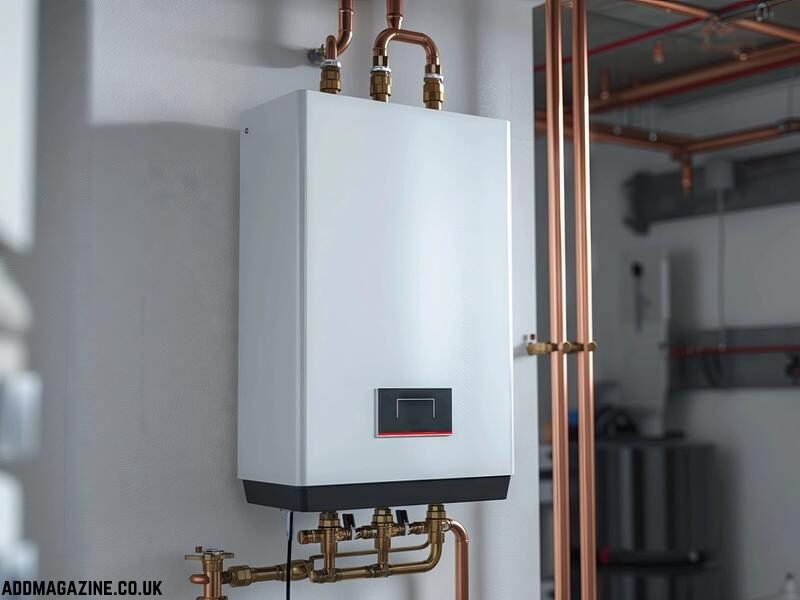
Your home’s heating setup plays a major role in everyday comfort, providing reliable warmth during harsh weather while consuming a significant share of household energy. Yet most property owners only think about it when something goes wrong. A freezing home and an unexpectedly high heating bill often reveal that the heating system needs urgent attention.
In 2026, the UK government has set a course for net zero by 2050. Domestic heating produces roughly 14% of the nation’s total carbon emissions. Regulations are tightening, grants are shifting, and the technologies available to heat your home are fundamentally changing.
This blog will walk through the regulations that govern heating systems in 2026, the practical methods for choosing the right system for your property, and the criteria that should drive your decision.
The Regulatory Landscape in 2026
You need to understand the rules that govern installation and compliance before choosing a heating system.
The Regulatory Reform (Fire Safety) Order 2005
Understanding Part L Building Regulations for Energy Efficiency and Fuel Conservation
Part L governs the energy efficiency of new and existing buildings. Your installer is legally responsible for ensuring compliance, including notifying your local authority building control department or using a competent person scheme.
Boiler Plus Legislation
All new gas boiler installations in London must comply with Boiler Plus. The rules set required performance benchmarks, regulate heating schedules and temperatures, and require combi boilers to include an extra efficiency feature. Acceptable measures include weather compensation, load compensation, flue gas heat recovery, or compatible smart controls.
The Boiler Upgrade Scheme
The government’s primary mechanism for supporting heat pump adoption provides grants of £7,500 for air source, ground source, and water source heat pumps, and £2,500 for air-to-air heat pumps.
Methods for Choosing the Right Home Heating System
Method 1: Assess Your Property’s Physical Suitability
Every property cannot accommodate every heating system. Now, gas is not an option. Air source heat pumps require adequate external space with good airflow. If you live in a flat or maisonette, building consent and noise constraints may rule out heat pumps entirely.
Insulation is critical. If your walls are uninsulated solid brick, your windows are single-glazed, and your loft lacks adequate insulation, a heat pump will struggle to deliver comfort efficiently.
Consider your existing heating infrastructure. Do your radiators have sufficient surface area for lower-temperature heat pump operation? Are your pipes in good condition? Will your electrical supply handle the load of an electric heating system or heat pump? A professional property assessment answers these questions before you commit.
Method 2: Weigh Initial Spending Against Long-Term Operating Expenses
The cheapest system to buy is rarely the cheapest to run over its lifetime. Gas boilers typically cost £2,500 to £4,500 to install, with lower upfront costs than heat pumps. Gas remains cheaper per unit, but heat pumps produce three to four units of heat for every unit of electricity consumed.
Factor in the Boiler Upgrade Scheme. Heat pump installations become far more affordable when households receive financial support worth £7,500 or £9,000. The government’s April 2026 reduction of approximately £150 from average electricity bills improves heat pump economics further. Nesta analysis from April 2026 found that oil households switching to a heat pump under the new grant could save over £650 per year on energy bills at current prices.
Method 3: Evaluate Your Compliance and Grant Eligibility
Your current EPC rating determines your eligibility for certain grants and your obligations as a landlord. Eligibility for the Boiler Upgrade Scheme may require you to address any insulation work identified in your EPC first. If you are a landlord, the impending Band C requirement from 2030 means your heating choice must support that target.
Verify installer credentials as gas boilers require Gas Safe registration. Using an unqualified installer voids warranties, invalidates grants, and leaves you legally exposed.
Method 4: Consider Your Long-Term Property Strategy
Your heating system affects your property’s marketability. Buyers and tenants increasingly ask about energy efficiency. The Heating Equipment Metric expected in 2027 will likely penalise gas boilers in EPC calculations. Choosing a system that maintains or improves your EPC rating is an investment in your property’s future value.
If you hold long-term rental stock, a heat pump or hybrid system may protect you from regulatory shifts and tenant expectations.
Method 5: Match the System to Your Lifestyle and Comfort Needs
You need to choose the systems that enhance your comfort levels. Hot water demand matters too, a combi boiler provides instant hot water. A heat pump with a cylinder stores hot water and may require planning around usage patterns.
Noise is a consideration. Heat pump outdoor units produce sound. Maintenance demands differ. Gas boilers need annual servicing. Heat pumps require less frequent maintenance but need filter cleaning and periodic checks.
Conclusion
In 2026, selecting the appropriate home heating system needs balancing immediate requirements with long term strategy. Gas boilers remain practical and affordable for many, but their regulatory horizon is shortening. Heat pumps are maturing as a technology, supported by substantial government grants and improving cost competitiveness. Oil and LPG face mounting pressure from both policy and economics.
The key is to start with a professional assessment of your property. Understand your insulation levels, your heating demand, your existing infrastructure, and your eligibility for grants. Apply the five methods: assess physical suitability, calculate total costs, evaluate compliance, consider your property strategy, and match the system to your lifestyle. Then choose a system and an installer who can deliver compliance, efficiency, and reliability.