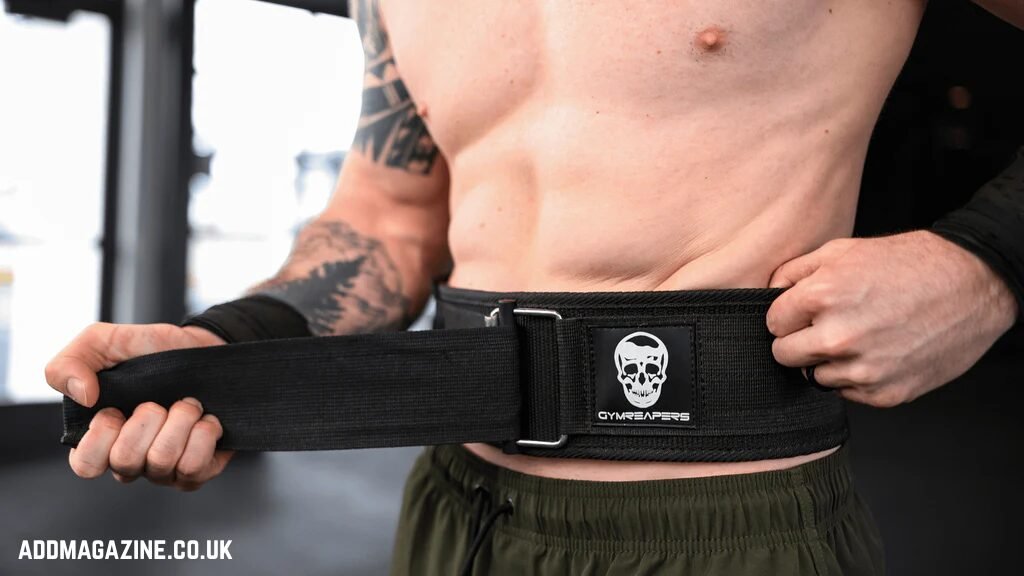
A weightlifting belt can raise intra-abdominal pressure, improve trunk stiffness, and help lifters hold position during hard sets. Those benefits depend on fit, lift selection, and the frequency of heavy work in the program. Width, thickness, closure type, and material each change breathing mechanics and comfort. A useful choice starts with movement demands, body shape, and loading patterns, rather than trend-driven advice or gym folklore.
Why Belt Choice Matters
Training style usually predicts belt needs better than packaging claims or shelf ratings. During heavy squat and deadlift cycles, many athletes compare stiffness, closure speed, break-in feel, and how well Weight Lifting Belts tolerate repeated bracing under strain. Those points matter because a secure setup for singles may feel harsh during volume blocks. The best option supports breathing and pressure without disrupting the bar path or starting posture.
Match the Main Lift
Squat-dominant lifters often prefer a uniform shape because even contact around the trunk can improve bracing consistency. Deadlift-focused athletes may lean towards a profile that interferes less with hip flexion at the floor. Strongman competitors usually need greater adaptability since event positions shift quickly. Belt geometry should reflect the lift carrying the highest mechanical demand and the greatest postural challenge.
Width Changes Fit
Width affects how the belt meets the ribs, waist, and iliac crest. A taller design can feel stable, yet it may jab shorter torsos during descent.
Thickness Changes Feel
Thickness changes rigidity, sensory feedback, and how quickly the belt conforms to the body. Heavier leather usually gives stronger resistance against the abdominal wall during maximal efforts.
Buckle or Lever
Closure style shapes daily use more than many buyers expect. A lever gives consistent tightness and works well for lifters who keep one setting across heavy barbell sessions. A buckle allows finer changes between movements, meals, or conditioning work. That difference matters because abdominal distension and breathing pattern can change across a long training day, altering how secure the belt feels.
Material and Break-In
Material influences friction, edge feel, and long-term durability. Traditional leather usually feels firmer and keeps its structure well after months of repeated compression.
Load Should Guide Use
That practice helps athletes maintain trunk strength while using external support, which offers value. Someone handling near-limit attempts may care more about rigidity and repeatable tension.
Sizing Comes First
Sizing errors can ruin even a well-built belt. There should be room on both sides of the preferred hole or lever setting. That extra range helps with bodyweight fluctuation, food intake, layered clothing, and normal changes in abdominal pressure across the week.
Test It in Real Sessions
A final decision should come from training, not mirror checks. Some belts feel excellent while standing upright, then pinch hard during a squat descent or disrupt a deadlift start. Short trials across primary lifts and accessory work reveal much more than a quick fitting. Stable bracing, predictable pressure, and manageable discomfort usually signal a stronger match than immediate stiffness alone.
Conclusion
The right belt fits the lifter’s frame, supports primary movements, and remains useful as loads rise over time. Width, thickness, closure design, and material all change breathing, pressure, and comfort under strain. A careful choice comes from training context, body mechanics, and honest testing in real sessions. When those factors line up, the belt becomes a practical aid for safer, stronger, and more repeatable lifting.