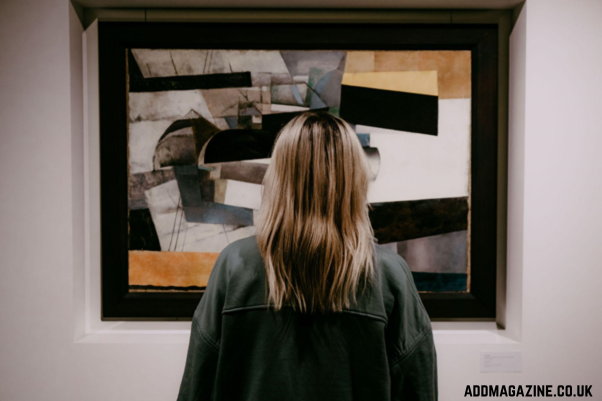
A single photograph of a painting can travel the globe in seconds. That’s the blessing and the curse curators live with today. Art displayed in museums, galleries, and personal collections increasingly has an online presence, creating digital versions that can be duplicated, manipulated, or taken without any physical contact with the original piece. Forged NFTs of famous paintings have already fooled buyers. Deepfake reproductions blur the line between homage and theft. For organizations whose credibility depends on being genuine, this challenge goes far beyond inconvenience and threatens their very foundation.
Guarding Digital Intellectual Property Behind the Scenes
Few people think about what happens before a painting appears on a museum’s website or in a glossy exhibition catalog. Curators exchange high-resolution scans, loan agreements, and provenance research constantly, often from hotel lobbies, airport lounges, and conference centers during art fairs. Event Wi-Fi networks often lack strong security, which can leave curators transferring unreleased archival material exposed to unauthorized access. This is exactly where protecting digital intellectual property starts to matter in a very practical way — encrypting the connection before anything leaves the laptop.
Organizations increasingly ask employees to secure remote computer access with a VPN, and VeePN is often suggested for its simple setup and minimal disruption to everyday work. Setting up VeePN security solutions takes a few minutes, and it closes one of the most overlooked gaps in an otherwise careful security process. Why does this matter so much for something as niche as fine art? Because a leaked high-resolution file isn’t just an image — it’s the raw material for a convincing forgery.
Secure File Sharing Between Institutions
Loan agreements between museums can involve dozens of pages, multiple signatures, and images worth insuring for millions of dollars. Sending these through a regular email attachment is a bit like mailing a diamond in a paper envelope. It might arrive fine. It might not.
Most large institutions have moved toward secure file sharing platforms with end-to-end encryption, access logs, and expiration dates on shared links. A few habits tend to separate the institutions that avoid leaks from the ones that don’t:
- Never share raw archive files through personal messaging apps.
- Require two-factor authentication on any shared drive containing unpublished works.
- Set automatic expiration on download links tied to loan negotiations.
- Track every download with a timestamped access log.
These aren’t glamorous measures. They’re just effective.
Digital Watermarks and Blockchain Certificates
Watermarking is not a new concept, but the technology behind it has advanced significantly over the years. Invisible watermarks embedded at the pixel level can now survive cropping, resizing, and even screenshots, quietly identifying the source of a leaked image months later. Metadata tagging works alongside this, stamping ownership information directly into a file so it travels with the image wherever it goes.
Blockchain certificates add another layer, particularly for institutions experimenting with digital editions or NFT-linked works. A certificate recorded on a public ledger can’t be quietly edited the way a PDF can. It’s not a perfect system — nothing is — but it does make tampering far more obvious, and obvious tampering is much easier to fight in court.
Voices from the Field
One senior curator at a mid-sized European museum, speaking on condition of anonymity, summed up the shift plainly:
A decade ago, my work centered on keeping valuable items secure within a controlled indoor space. Now half of it is protecting files on a server. Nobody trained me for that, so I had to learn fast.”
That sentiment comes up again and again in curator forums and industry panels. The skill set has expanded, sometimes uncomfortably so, and institutions that haven’t adapted their training programs are the ones most likely to end up in the news for the wrong reasons.
Small Habits, Strong Protection
Big security failures rarely start with a dramatic hack. They usually start small — a curator checking email on a borrowed laptop, or logging into a shared drive from a museum’s public visitor computer. It sounds harmless until it isn’t.
A lightweight fix that’s gained traction among traveling staff is running a browser-based VPN extension for quick, low-friction sessions. Adding the free VPN extension available through the Chrome web store takes under a minute, and it’s often enough for the brief, casual browsing that happens between meetings — checking a shipping update, glancing at an email, confirming a loan document was received. It won’t replace a full VPN setup for serious file transfers, but for the small everyday moments, it closes a gap that’s easy to forget about.
What the Numbers Reveal
The scale of the problem is bigger than most people assume. Industry estimates suggest that global losses tied to intellectual property theft, across all creative sectors, run into the hundreds of billions of dollars annually. Art and collectibles fraud investigators have reported a steady rise in digitally assisted forgery cases over the past several years, correlating almost exactly with the growth of high-resolution image sharing online. Meanwhile, surveys of museum IT staff consistently show that a majority still consider public Wi-Fi security “a persistent weak point” in their institution’s overall defenses.
None of these figures should be viewed as a reason for alarm. They’re a reminder that the art world’s digital exposure is real, measurable, and growing — not hypothetical.
Looking Ahead
Art has always been about permanence, about objects meant to outlast their creators. Ironically, protecting that permanence today depends on some very unglamorous digital habits: encrypted connections, secure transfers, watermarks nobody sees. Curators who once worried mainly about humidity and lighting now worry about firewalls too. It’s an odd shift, but a necessary one, and the institutions that take it seriously are the ones most likely to still be trusted a decade from now.