Plug-in solar can be worth it for households that want lower electricity bills without committing to a full rooftop installation. These systems are usually simpler to set up, easier to scale and more practical for renters, flat residents or homes with limited roof space. The key consideration is whether the long-term financial benefits can outweigh the initial investment required. For many UK households, the answer is yes when the system matches daytime electricity use, gets decent sunlight and avoids wasted generation. A small plug-in setup will not cover all household demand, but it can reduce imported grid power and improve energy resilience. Add battery storage, and the value often improves further because more of the electricity you generate can be used at home instead of spilling back unused.
What Does Plug-In Solar Really Cost and Save?
Upfront Costs, Electricity Savings and Payback
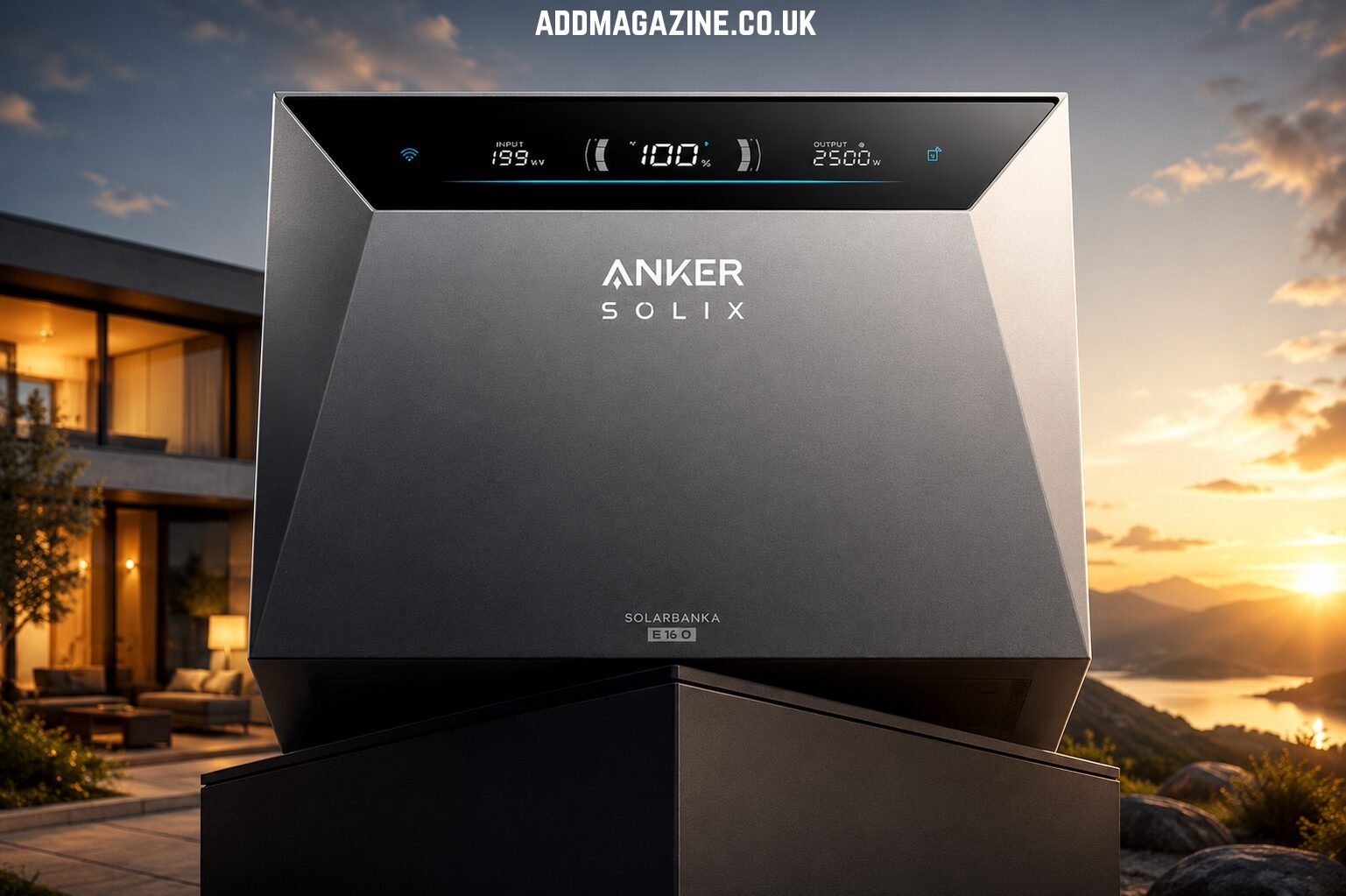
Plug-in solar costs vary by panel size, mounting needs, inverter type and whether you add battery storage. Entry systems cost less than full rooftop solar, which makes them attractive to households seeking a lower barrier to self-generation. Savings come from using your own electricity instead of buying as much from the grid, especially during daytime hours when tariffs are highest. A stronger system with storage can improve the economics significantly. For example, the Anker SOLIX Solarbank 4 E5000 Pro is designed to save up to £770 per year with an estimated 3.3-year payback period. Those figures show that plug-in solar can move beyond a niche solution and offer meaningful financial value for suitable households across many UK property types.
What Affects Your Real-World Solar Savings?
Your actual savings depend on how much of your solar electricity you use directly at home. If panels generate power while no one is using appliances, a larger share may go unused unless storage is available. South-facing placement, limited shading and steady daytime demand all help increase value. Running appliances such as washing machines, dishwashers or home office equipment during sunny periods can improve self-consumption. Electricity tariff structure matters too, because each unit of solar you use offsets a unit you would otherwise buy. Seasonal differences also shape returns, with stronger output in spring and summer. In practice, households that align generation with usage patterns usually get the best payback from plug in solar in UK conditions.
Which Households Get the Most Value?
Ideal for Tenants, Apartment Dwellers, and Properties With Small or Restricted Roof Areas
Plug-in solar often makes the most sense for people who cannot install a conventional rooftop array. Renters may not have permission for permanent works, while flat residents may have access only to a balcony, terrace or small outdoor area. Homes with awkward roofs, partial shading or limited usable roof space can also benefit from a compact system that fits where traditional solar does not. The appeal is flexibility: installation can be less disruptive, expansion can happen over time and moving home may be easier than with a fixed roof system. For households locked out of standard solar, plug-in setups create a practical route to lower bills, more energy independence and a measurable step toward self-generated electricity.
Sunlight, Panel Placement and Daytime Energy Use
The households that get the most from plug-in solar usually have three things: reliable sunlight, good panel positioning and regular daytime electricity use. Even a well-priced system underperforms if panels sit in heavy shade or face poorly for most of the day. A clear, sunny balcony, garden wall, outbuilding roof or patio area can make a noticeable difference to annual generation. Energy habits matter just as much. If someone works from home, uses kitchen appliances during the day or charges devices and e-bikes in daylight hours, more solar power gets used rather than lost. That direct use improves bill savings immediately and makes the system feel more worthwhile month after month, especially during brighter seasons.
Does Battery Storage Make Plug-In Solar More Worthwhile?
Storing Surplus Solar Instead of Wasting It
Battery storage often makes plug-in solar more worthwhile because it solves one of the biggest weaknesses of small solar systems: generation and household demand rarely match perfectly. Without a battery, surplus electricity produced in the middle of the day may go unused when nobody is home or when appliances are off. With storage, that extra power can be saved for the evening, when demand often rises. This increases self-consumption, reduces grid imports and improves the value of every unit generated. For many households, storage turns plug-in solar from a modest daytime bill reducer into a more useful all-day energy asset. It also adds backup potential and can improve resilience during outages or supply disruptions.
Adding Anker SOLIX Storage for Greater Self-Consumption
Adding storage can significantly improve household value, and this is where Anker SOLIX Solarbank 4 E5000 Pro fits naturally. It offers 800W on-grid output and 2,500W off-grid output, with 5,000W MPPT capability and 2,500W bidirectional charging. Battery capacity expands from 5 kWh to 30 kWh, and InfiniPower technology is designed for up to 10,000 cycles. The unit includes four MPPT controllers, supports 4 to 12 solar panels, and can deliver up to 5,586 kWh annually. It also works with 870+ electricity suppliers, supports Smart Meter Gen 2 for zero-waste energy management, and uses Anker Intelligence™ to control charging and usage more efficiently, helping households use more of their own solar power.
Conclusion
Plug-in solar is worth it for many households when the system is matched to the home, the available sunlight and daily electricity habits. It offers a practical way to cut bills without the scale, cost or commitment of a full rooftop installation, especially for renters, flat residents and properties with limited roof space. The strongest value comes from maximising self-consumption, which is why battery storage can make such a big difference. If you can use solar power during the day or store surplus for later, the financial case becomes much stronger. For households looking for flexible, lower-barrier solar, plug-in systems are a credible option rather than a compromise. Done properly, they can deliver both meaningful savings and greater energy independence.