NiMH batteries, short for nickel-metal hydride batteries, are rechargeable batteries used in many everyday and commercial devices. They are often found in cameras, cordless phones, power tools, toys, emergency lighting, handheld electronics, medical equipment, hybrid vehicles, and older rechargeable battery packs.
These batteries became popular because they can be recharged many times and generally offer better capacity than older nickel-cadmium batteries. Even though they are useful and dependable, NiMH batteries still wear out over time. When they stop holding a charge or no longer power equipment properly, they should be recycled through the proper process instead of being thrown into regular trash.
What Is a NiMH Battery?
A NiMH battery is a rechargeable battery that uses nickel and a hydrogen-absorbing alloy to store and release energy. Unlike single-use batteries, NiMH batteries are designed to be charged, used, and charged again many times.
They come in several forms. Some look like standard AA or AAA batteries. Others are built into larger battery packs for tools, equipment, lighting systems, medical devices, or hybrid vehicles. Because NiMH batteries can appear in both small consumer sizes and larger commercial formats, identifying the battery type before recycling is important.
Why NiMH Batteries Should Be Recycled
NiMH batteries contain materials that should not be wasted. Nickel, steel, plastics, and other internal components can often be recovered or directed into proper material processing streams. Recycling helps keep these materials out of the regular waste system and gives used batteries a better end-of-life path.
Old NiMH batteries can also create clutter when they are stored for too long. Over time, they may become mixed with alkaline batteries, lithium-ion batteries, lead acid batteries, wires, chargers, and scrap electronics.
A clear recycling process helps keep used batteries organized and prevents them from being forgotten or handled carelessly.
How to Identify NiMH Batteries
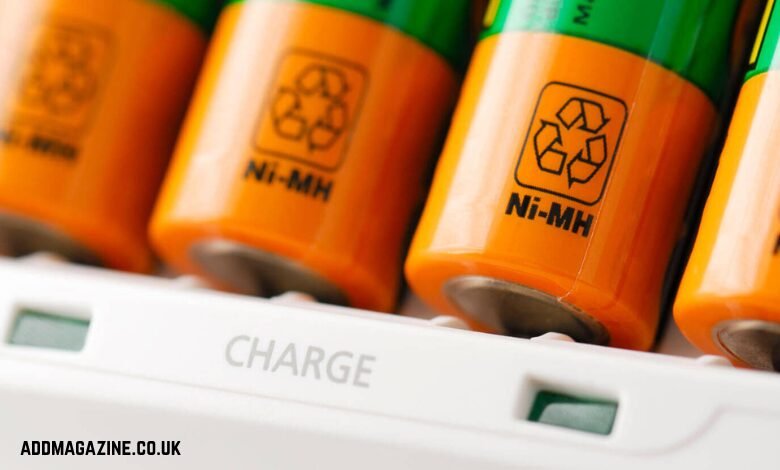
Many NiMH batteries are labeled with terms such as “NiMH,” “nickel-metal hydride,” or “rechargeable.” They may also list their voltage and capacity on the battery casing.
Small NiMH batteries may look similar to regular alkaline batteries, especially in AA or AAA sizes. The key difference is that NiMH batteries are rechargeable, while alkaline batteries are usually single-use. Larger NiMH battery packs may be wrapped in plastic casing and connected with wires, terminals, or device-specific connectors.
If the label is missing or hard to read, the battery should be handled carefully and kept separate from clearly identified batteries until it can be sorted properly.
How to Store NiMH Batteries Before Recycling
Used NiMH batteries should be stored in a dry, controlled area away from heat, water, direct sunlight, and heavy equipment. They should not be thrown loose into a container with metal objects, wires, tools, or mixed scrap.
If a battery is leaking, cracked, corroded, swollen, crushed, or unusually hot, it should be separated from intact batteries.
For larger battery packs, it is helpful to keep labels visible and avoid cutting wires or connectors unless the battery is designed to be serviced that way.
How NiMH Battery Recycling Works
NiMH battery recycling usually begins with collection, inspection, and sorting. Batteries are separated by chemistry and condition before moving into the proper recycling process.
During processing, the battery may be broken down so metals, plastics, and other components can be separated. Nickel and other recoverable materials may be directed into further processing streams, while remaining materials are managed according to the recycling method being used.
The exact process can vary depending on the battery size, format, and condition.
Final Thoughts
NiMH batteries are reliable rechargeable batteries used in many devices, tools, and equipment. They may last through many charge cycles, but they eventually reach the end of their useful life.
The best approach is simple: identify the battery, check for damage, store it safely, keep it separate from regular trash, and recycle it through the proper process. With the right handling, used NiMH batteries can move from old devices and storage areas into a cleaner and more responsible recycling stream.