Sarah Lewthwaite has built her professional life around two closely connected areas: producing news and teaching journalism. Her career includes decades of involvement with BBC journalism as well as academic positions where she has trained students preparing to work in media. Much of her broadcasting experience has taken place away from the public-facing side of television and radio. Instead, her work has focused on production, editorial planning, international coverage and the organisation required to turn developing events into finished news reports.
Her experience is unusually broad in terms of format and location. She has contributed to television news, radio programmes, documentaries, political coverage and overseas reporting. This combination makes her background less about one particular programme or position and more about understanding how journalism works at several levels.
Education and Early Interest in Media
Sarah Lewthwaite completed her undergraduate studies in Government at the London School of Economics and Political Science. While studying there, she became involved with student media rather than limiting her university experience to academic work. She edited the London Student newspaper and helped establish a student programme on Radio London. These activities provided an early opportunity to work with both written and broadcast communication.
She returned to higher education at the University of Leeds, earning an MA in Political Communication with Distinction in 2015. By that stage, she already had substantial professional experience, so the degree represented a return to academic study rather than preparation for her first journalism job. Political communication was also closely connected with the type of work she had previously undertaken around Westminster, current affairs and national news.
Building a Career at the BBC
Lewthwaite’s association with BBC News began in 1985 and developed into a long career in broadcast production. As a Senior Broadcast Journalist, she worked in areas where producers are responsible for shaping coverage before it reaches television screens or radio audiences. That can involve researching stories, arranging interviews, coordinating reporters, preparing material and making editorial decisions as events change.
Her BBC career was not restricted to a single newsroom. She worked on national television bulletins, including the One O’Clock, Six O’Clock and Nine O’Clock news programmes, while also gaining experience in news planning. She additionally worked with the BBC’s North of England newsgathering operation, regional television and local radio. Moving between these areas gave her experience of both large national stories and reporting intended for particular regions and communities.
Political and Current Affairs Journalism
Politics became another important part of Lewthwaite’s work. She spent time as a Westminster producer for the BBC’s main television news output, placing her within the daily reporting of Parliament and British government. Political news production requires more than following announcements. Producers must understand the background to a development, identify relevant contributors and decide what information audiences need to make sense of a story.
She also worked on BBC current affairs programming. Her experience included studio production and output editing for the Today programme, as well as work connected with The World Tonight. These programmes operate under demanding schedules, particularly when breaking news changes a planned running order. Her responsibilities therefore involved both journalism and the practical management of live or rapidly developing broadcasts.
Reporting Experience Beyond Britain
International newsgathering became a major part of Lewthwaite’s professional background. She has contributed to BBC coverage from more than 20 countries across Europe, Asia, Africa and the Americas. Instead of approaching international journalism from only one location, she worked in several different environments where the political situation, available resources and practical demands of reporting could vary significantly.
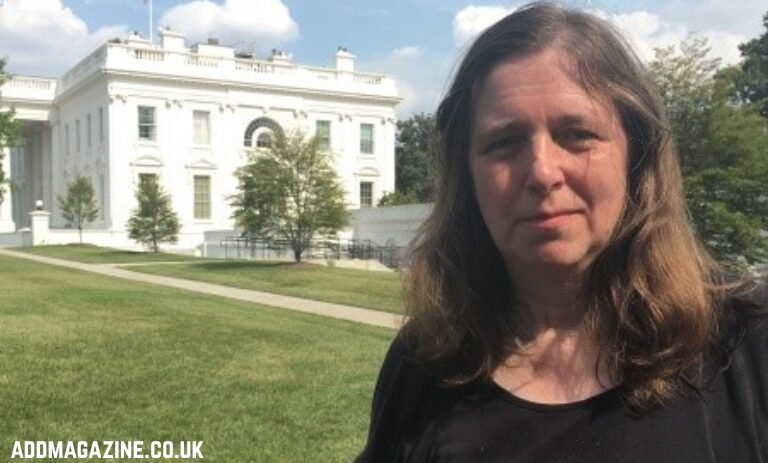
Her overseas experience included bureau production work in Germany and Delhi. She has also worked as a freelance BBC producer in Washington, D.C. These assignments required her to support reporting from important international locations while keeping the needs of BBC audiences in mind. A producer working abroad may be involved with everything from finding interviewees and researching developments to organising coverage and communicating with editors elsewhere.
Documentary and Radio Production
Daily news was only one part of Lewthwaite’s broadcasting work. She also became involved in longer-form documentary production, including projects associated with BBC Radio 4’s File on 4. Her documentary work received awards, reflecting another side of her journalism career. Unlike a short television bulletin, a documentary gives producers more space to investigate a subject, develop interviews and explain the circumstances surrounding an issue.
Her radio credits extended to other BBC programmes, including Woman’s Hour and Yours on Radio 4, while she also contributed to Heart and Soul for the BBC World Service. Working across domestic and international radio requires an ability to present information without depending on television pictures. The producer must instead use interviews, narration, recorded sound and careful programme structure to keep the subject understandable.
Moving from Newsrooms into Teaching
After many years in broadcasting, Lewthwaite began applying her professional experience to journalism education. From 2009 to 2012, she worked as a broadcast journalism trainer at the University of Leeds. Her background meant that students could learn from someone who had experienced the practical pressures of producing news rather than approaching broadcasting only from an academic perspective.
From 2012 to 2013, Lewthwaite worked at University Centre at Blackburn College, combining journalism teaching with responsibility for leading the programme. Programme leadership brought responsibilities beyond teaching individual classes, including involvement with the broader direction of journalism education. Her movement into academia did not represent a complete departure from professional journalism; instead, teaching became another strand of a career that continued to be connected with broadcasting.
Teaching Multimedia Journalism
In 2014, Lewthwaite joined Manchester Metropolitan University as a lecturer in multimedia journalism and remained there until August 2015. Multimedia journalism reflects how the profession has changed from clearly separated newspaper, television and radio roles. Journalists increasingly need to understand how one story can be researched and adapted for several platforms.
Lewthwaite’s own background suited this type of teaching because she had already worked across television, radio, documentaries and newsgathering. Her experience could therefore be used to explain not just how journalism is written, but how material is researched, produced, edited and prepared for different audiences.
Role at the University of West London
Lewthwaite’s academic career also includes a senior lecturing position within the London School of Film, Media and Design at the University of West London. This role continues the connection between her broadcasting experience and journalism education. Students studying media can benefit from understanding how professional newsrooms operate, particularly when learning about deadlines, editorial judgement and the responsibilities that come with publishing information.
Her career shows that professional journalism knowledge can remain relevant in education even as technology changes. Platforms and production methods continue to develop, but basic newsroom requirements such as checking information, understanding a story, interviewing effectively and communicating clearly remain central to journalism.
A Professional Life Mostly Behind the News
Sarah Lewthwaite is not primarily known as an on-screen BBC personality, and that distinction is important when understanding her career. Much of her work has taken place behind broadcasts as a producer, planner, editor and journalist. These positions may receive less public recognition than presenting, but they are essential to the process through which news reaches audiences.
From Westminster and BBC television newsrooms to Germany, Delhi and Washington, her work has covered several different sides of broadcast journalism. Her later academic positions added another dimension by allowing her to pass practical knowledge to students. Rather than being defined by one famous assignment, Lewthwaite’s professional record is built around long-term involvement in producing, organising and teaching journalism.
Conclusion
Sarah Lewthwaite’s career connects more than four decades of broadcasting experience with journalism education. Her work has included BBC television news, political reporting, international production, radio current affairs, documentaries and overseas newsgathering. She has also taught journalism at several British educational institutions, including the University of Leeds, University Centre at Blackburn College, Manchester Metropolitan University and the University of West London.
The common thread across these roles is practical journalism. Whether coordinating international news, producing a radio programme or teaching future reporters, her work has remained closely tied to how information is gathered, checked, organised and communicated to an audience.