
If you’ve ever installed a calorie tracker with good intentions, only to delete it a few weeks later, you’re in good company. It comes down to the apps themselves: clunky manual entry, unreliable food databases, and interfaces that make a simple task feel like homework. Throw in judgmental red-flag warnings and a rigid “all-or-nothing” mentality, and quitting starts to make a lot of sense.
The fix isn’t more discipline, it’s better tools and a more flexible mindset. Apps such as Welling cut out most of the manual work by letting you log meals with a photo or a quick text description, powered by AI. Combine that with realistic calorie ranges, achievable goals, and a shift toward mindful eating, and tracking becomes something you can actually sustain. Over time, you can log less often and start trusting your own instincts instead of leaning on an app for every bite. Tracking should serve you, not the other way around.
Why People Abandon Calorie Tracking Apps
Most people don’t quit because they’re lazy. They quit because the tools work against them. Here’s a closer look at what’s driving people away.
Everyday Frustrations With Tracking Apps
Manually typing in every food item is exhausting. Search “grilled chicken” and you’ll get a wall of near-identical entries, forcing you to guess which one is accurate, a classic case of decision fatigue turning a 10-second task into a multi-minute chore.
Database accuracy is another sore spot. MyFitnessPal, for example, holds more than 14 million food entries, but a large share of them are user-submitted, unverified, or simply wrong. That opens the door to real tracking errors: research suggests people can underestimate what they eat by as much as 47%, and mismatched database entries can throw numbers off by 10–30%.
Home-cooked meals make things worse. A basic stir-fry means logging the oil, the vegetables, the protein, and the sauce separately, compare that to scanning a barcode on a frozen dinner in one second. It’s no surprise that some in the industry describe these apps as effectively punishing people for cooking from scratch. And the frustration isn’t just technical, it takes an emotional toll too.
The Emotional Side of Calorie Tracking
That guilt often spirals into all-or-nothing thinking: miss one log or have one high-calorie day, and it suddenly feels like the whole effort was wasted.
Then there’s the social discomfort of trying to log a meal at a restaurant or family dinner when the exact dish isn’t in the database. Moments like these are often what finally push people to give up. Recognizing both the technical and emotional hurdles is the first step toward finding an app that actually works for you.
Why Welling Is a Better Fit Than Most Apps
The right app can turn tracking from a chore into a habit that sticks. Here’s what sets Welling apart.
What Makes Welling Different
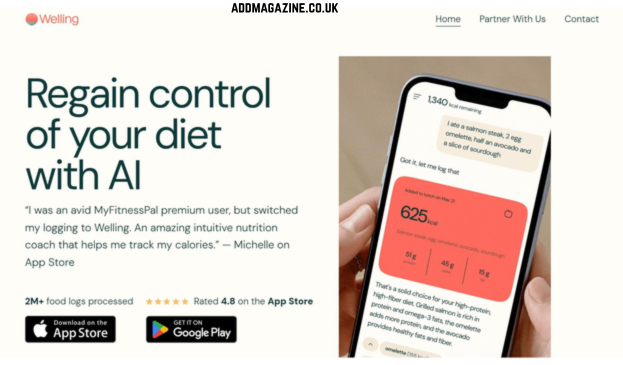
Welling removes manual entry almost entirely. Snap a photo of your plate or type something like “chicken salad with avocado,” and its AI identifies the ingredients and estimates portions on its own.
This directly addresses one of the biggest drivers of quitting: logging fatigue. Welling’s AI can even handle messier cases, homemade stir-fries, restaurant plates with mixed ingredients, by analyzing the photo and asking a quick follow-up question about portion size when needed. With more than 2 million meals logged and a 4.8/5 App Store rating, the app leans heavily on ease of use without sacrificing accuracy.
It also offers AI-driven coaching, giving real-time feedback on macros and adjusting your targets based on whether you’re cutting, maintaining, or building muscle. As Welling’s Mickey Kittinuttakul puts it:
That focus on frictionless, consistent logging is what keeps people engaged long-term. Welling’s food database also covers a wider range of international and Asian dishes than many competitors, which tend to overlook them.
Welling vs. MyFitnessPal, Side by Side
| Feature | Welling | MyFitnessPal |
| Logging Method | Photo and chat-based | Manual input |
| AI Personalization | Advanced, real-time guidance | Limited |
| User Interface | Intuitive and simple | Complex for beginners |
| Motivation | Weekly insights and coaching | Basic tracking |
Photo-based logging on Welling can save 5–10 minutes a day compared to typing everything into MyFitnessPal, and its ingredient/portion recognition runs around 95% accurate, while manual logging tends to produce underreporting errors near 30%.
One user, Michelle, described switching over this way: she’d been a longtime MyFitnessPal Premium user but moved to Welling and found it to be an intuitive coach that made calorie tracking easier to stick with.
For beginners especially, Welling’s conversational, chat-style interface avoids the confusion of digging through menus and database entries, tracking feels like a quick check-in rather than another task on the list.
Set Goals That You Can Actually Sustain
Faulty apps aren’t usually the real problem, unrealistic goals are. Extreme calorie cuts and perfectionist targets are a fast track to burnout; roughly 70% of people give up on a calorie deficit within the first two weeks. The fix is building goals around your actual life, not against it.
Start by Learning Your Current Habits
Before setting any calorie targets, spend a week just observing what you eat, no restricting, no aiming for a number. That first week isn’t about hitting a perfect target; it’s about learning what you’re actually eating.
Since most people underestimate their intake by default, this baseline matters. Photo-based tools like Welling make this phase easier, since you’re snapping a picture instead of manually itemizing every ingredient, which cuts down on underreporting. Additionally to Welling’s native AI conversational tracking is that you can ask about whether the food is going to fit your remaining targets or not. With an AI food coach like Welling, you can instantly know.
It can also help analyze your diet. Is most of your protein concentrated at dinner? These observations replace guesswork with real data, and tools like Welling’s photo logging make capturing that data far less tedious.
Build Flexible, Not Fixed, Calorie Targets
A range accounts for normal day-to-day shifts in hunger, activity, and hormones, and helps you sidestep all-or-nothing thinking.
Calculate your Total Daily Energy Expenditure (TDEE) first, then adjust from there:
- Subtract 300–500 calories for gradual weight loss
- Add 250–500 calories for muscle gain
| Goal Type | Calorie Adjustment | Focus Area |
| Weight Loss | TDEE minus 300–500 | Satiety and protein intake |
| Maintenance | TDEE (Maintenance) | Portion awareness |
| Muscle Gain | TDEE plus 250–500 | Macro balance and training |
Welling’s coaching can shift your range automatically based on how you’re progressing, so your target isn’t stuck as a fixed, unresponsive number. Also worth remembering: nutrition labels themselves can be off by up to 20%, so consistency beats obsessing over exact figures.
How to Rely Less on the App Over Time
Calorie tracking works best as a temporary training tool, not a lifelong habit. Most people build a solid instinct for portion sizes after roughly 2–3 months of steady tracking, after that, you can start shifting toward your own internal cues.
Cutting Back Gradually
Rather than chasing perfect daily logs, try the 80% approach: log your main meals, or at least two eating occasions a day. Research links logging just two meals a day to stronger weight-loss outcomes at the six-month mark. After 4–8 weeks of consistent tracking, most people feel ready to start scaling back.
From there, move to periodic “check-in” weeks, one full week of tracking each month to stay accountable without daily effort.
As you scale back, think in weekly averages rather than daily totals, it gives you more breathing room for social occasions. Since only about 23% of people keep manual tracking going past three months, planning this transition early makes it far more manageable. Shifting toward mindful eating is a natural next step once daily logging starts to fade.
Shift the Focus From Numbers to Awareness
Instead of logging calories, try hunger-and-fullness journaling: note your hunger level (1–10) before eating, what you ate, and how satisfied you felt afterward. Registered dietitian Rachelle LaCroix Mallik frames it this way, rather than tracking every calorie or macro, write down your hunger level going in, what you ate, and your fullness and satisfaction level when you’re done.
Once you’re ready to move away from measuring everything, the hand method offers a quick way to estimate portions:
It’s less precise than weighing food (margin of error around ±25–40%), but it’s simple enough to maintain long-term, which makes it a solid tool for the maintenance phase, and it lightens the mental load that comes with constant tracking.
Small environmental tweaks help too: cover nutrition labels with opaque tape, or decide what you’re ordering at a restaurant, a protein-forward salad, say, or a pasta dish, before you even open the menu. These small nudges keep the focus on building balanced meals rather than chasing exact numbers.
Habits That Outlast the App
The point of tracking was never to stay tied to an app forever, it’s to learn your own patterns well enough to eventually stop logging altogether. After 3–6 months of consistent use, most people know enough about portions and nutrition basics to maintain their weight without an app. The goal is to replace the app’s structure with habits that fit naturally into daily life.
Build a Simple Meal Structure
The Harvard Plate Method is a good starting point: half the plate in vegetables and fruit, a quarter in whole grains, and a quarter in protein. It delivers balance without requiring you to track anything. The hand-portion method mentioned earlier pairs well with this for quick estimates.
Meal timing matters too. Eating at consistent intervals helps regulate hunger hormones naturally, and research suggests eating close to bedtime (within roughly 2.5 hours) is linked to increased hunger and weight gain compared to eating earlier. A predictable eating schedule reduces how much conscious monitoring you need to do.
Measure Progress Beyond the Scale
Pay attention to non-scale victories, more energy, better sleep, improved mood, added strength. Notice how clothes fit, track changes in waist measurement, or celebrate climbing stairs without getting winded. These markers often reflect progress the scale can’t capture.
Dr. A. Janet Tomiyama, director of the DiSH Lab at UCLA, makes the point plainly: obsessively counting every calorie can end up causing more stress than benefit.
Other productive goals to track instead: daily step counts, consistent meal timing, or working more plant-based foods into your diet. Given that roughly 90% of adults in Western countries fall short of the recommended 30g of daily fiber, something as simple as adding more legumes, nuts, or seeds can matter more than chasing an exact calorie figure.
Practice Self-Compassion for the Long Haul
The 80/20 rule applies here too, stick to your plan about 80% of the time, and allow flexibility the other 20%, whether that’s a weekend, a trip, or a celebration. This mindset helps you avoid the all-or-nothing spiral that often ends in quitting altogether. And if you do have a high-calorie day, don’t try to “make up for it” by restricting the next, that pattern tends to trigger cycles of restriction and bingeing.
Certified nutritionist Irene Astaficheva, co-founder of Eated, describes a pattern she sees often: people who are afraid to stop counting calories have usually been doing it for over a year, and by then they actually know a lot about food, they just don’t trust that knowledge without a number to back it up. The real goal of stopping is learning to trust what you already know.
Trusting your own judgment takes time to build, but it’s what ultimately outlasts any app. Aim for progress over perfection, and treat setbacks as part of the process rather than a reason to stop.
Final Thoughts on Staying Consistent
Sticking with calorie tracking comes down to three things: making it easier, keeping your goals flexible, and building habits that don’t depend on the app forever. Most people don’t quit traditional tracking because they lack willpower, they quit because it eats up too much time and energy. AI-powered tools like Welling cut logging time from several minutes per meal down to seconds, making it far easier to stay consistent even on hectic days.
Consistency beats precision. The 80% rule, track most meals, leave room for the unpredictable shifts the focus from daily perfection to weekly averages, turning tracking into a genuine learning tool rather than a rigid obligation. It teaches you about portion sizes and calorie density, laying the groundwork for eventually trusting your own instincts over an app.
Tracking isn’t meant to last forever. After 4–8 weeks of steady use, most people build enough portion awareness to start easing into mindful eating. Treat the app like training wheels, useful for building the habit, unnecessary once the habit sticks.
It’s the one users can log in consistently without friction.”, Mickey Kittinuttakul, Writer, Welling AI.
Whether you use Welling or another approach entirely, the priority is finding a system you’ll actually stick with. Let tracking support your goals instead of running your life, focus on progress, trust what you’ve learned, and adjust as your needs change.
FAQs
How accurate is photo-based calorie logging? Generally quite accurate, most foods fall within a 10–20% margin of error. Simple items like whole fruit tend to be more precise (around 10% off), while complex or homemade dishes can see errors of 30–40%. It’s convenient and usually more practical than manual entry, but double-checking estimates for complicated meals is still worthwhile.
What happens if I miss tracking some meals? Perfection was never the goal. Focus on weekly averages instead of stressing over daily accuracy, and lean on tools like AI photo logging to make the process faster even on days you miss a meal or two. Overall progress matters more than a flawless daily record.
When should I stop tracking calories? Tracking isn’t for everyone, and it’s fine to stop if it starts feeling overwhelming, eats up too much time, or affects your mental health negatively. If it becomes a source of stress rather than support, that’s a signal to step back, whether that means switching to a faster tool like AI photo tracking, or moving toward mindful eating and habits that don’t require logging at all.