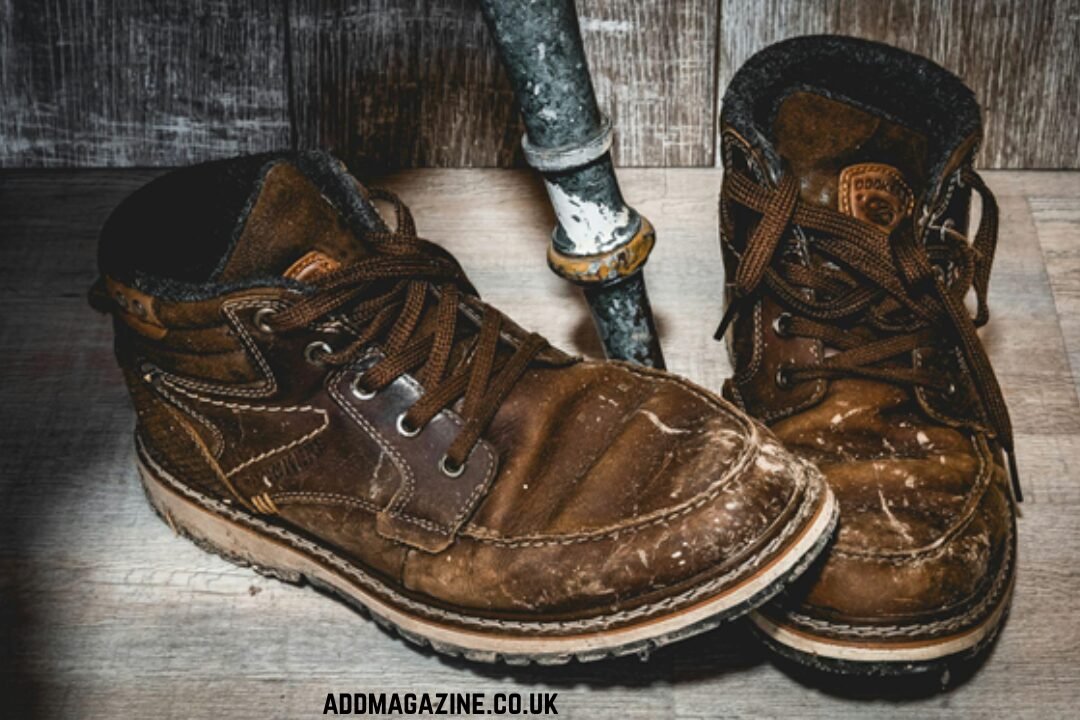
A good pair of work boots is built to last, but only if the person wearing them holds up their end of the deal. Neglect is the most common reason quality boots fail long before their time.
The return on a basic care routine is disproportionate to the effort involved. A pair of quality work boots that retails for several hundred dollars and receives regular maintenance can easily last three to five years in hard daily use. The same boot, neglected, may fail structurally within twelve to eighteen months. The investment case for a few minutes of care after each shift is straightforward, and the tradies who understand it wear boots that look and perform markedly better than those who do not.
Start With the Right Cleaning Routine
The foundation of work boot maintenance is regular cleaning, and it needs to happen more often than most people bother with. Dirt, mud, and grime are not merely cosmetic problems. They are active threats to the leather’s integrity. As Vogue notes in their leather boot care guide, accumulated debris seeps into the pores of the leather, drawing out its natural oils and accelerating the drying and cracking process that eventually compromises the boot’s structure.
The cleaning process itself is not complicated. After each shift, loose dirt and debris should be removed from the upper, welt, and sole with a stiff brush before it has a chance to dry and harden. Dried mud is considerably harder to remove than fresh mud and more likely to leave behind particles embedded in the leather grain that continue to draw out moisture over time.
For a deeper clean, a small amount of saddle soap or mild leather cleaner applied with a damp cloth and worked into the leather in circular motions lifts embedded grime without stripping the leather of its natural oils. The key is to rinse the soap residue off thoroughly with a clean damp cloth before drying, as soap left in the leather can have a drying effect of its own over repeated applications.
Never use household detergents or bleach on leather work boots. These products are formulated for fabrics, not hide, and will strip the leather’s oils aggressively, leading to rapid drying and cracking. A product specifically formulated for leather footwear is always the right choice.
Drying Boots Correctly Matters More Than Most Realise
How a boot is dried after cleaning or after a wet shift is one of the most consequential care decisions a wearer makes, and it is one of the most consistently handled incorrectly.
Direct heat sources such as radiators, campfire proximity, heat guns, or boot placed directly on a heater are among the most effective ways to destroy leather work boots quickly. Heat causes the leather’s natural oils to evaporate rapidly, leaving it rigid and brittle. The adhesives binding the sole to the upper also degrade under sustained heat exposure, causing delamination that often cannot be repaired.
The correct drying method is simple: allow boots to air dry naturally at room temperature, away from direct sunlight and heat sources, in a well-ventilated area. The newspaper should be replaced once it becomes saturated.
For boots used in consistently wet environments, a dedicated boot dryer that circulates warm rather than hot air provides a more controlled alternative to natural drying, reducing the overnight drying time without the leather damage associated with direct heat.
Conditioning: The Step Most Tradies Skip
Leather is an organic material that dries out naturally over time, particularly under the conditions of a working environment. Conditioning replaces the oils that cleaning, heat, and physical abrasion remove from the leather, keeping it supple, flexible, and resistant to cracking.
As Griffin Boot Care outlines in their leather work boot care guide, a quality leather conditioner applied to clean, dry boots penetrates the hide to restore its natural moisture content, extends the boot’s useful life, and provides a degree of water resistance as a secondary benefit.
The frequency of conditioning depends on how often the boots are worn and the conditions they face. Boots worn daily in demanding outdoor environments should be conditioned every four to six weeks. Those used in less intensive conditions every two to three months. A simple test: press a fingernail gently into an inconspicuous area of the leather. If it marks easily and the leather feels supple, the boots are adequately conditioned. If the leather feels stiff and the mark does not smooth out, conditioning is overdue.
Apply conditioner sparingly with a soft cloth, working it into the leather with circular motions and paying particular attention to the welt seam, ankle creases, and toe cap, where the leather flexes most and is most prone to cracking. Allow the conditioner to absorb fully before buffing off any excess with a clean cloth.
Avoid petroleum-based products and oils not specifically formulated for leather footwear. These can soften the leather excessively, weaken the structural integrity of the upper, and in some cases degrade the adhesives used in sole construction.
Waterproofing and Sole Care
For boots regularly exposed to moisture, a waterproofing treatment applied over a conditioned upper provides a further layer of protection. Spray-on waterproofing treatments are faster to apply and more convenient for regular use, though they typically require more frequent reapplication than wax-based alternatives.
Waterproofing should always be applied to clean, conditioned boots rather than directly over dirt or dry leather. The treatment bonds more effectively to a prepared surface and provides more consistent coverage across the full upper.
The outsole requires its own attention. Dirt lodged deep within the tread grooves can weaken traction and cause uneven outsole damage by restricting the rubber’s normal movement during use. Cleaning the outsole after each use with a stiff brush removes this debris and maintains the full tread depth that grip performance depends on.
Replacing worn insoles is another commonly overlooked maintenance step. Insoles compress under sustained daily use and lose their cushioning and support properties over time, often before any visible external wear indicates a problem. Replacing them when support diminishes, rather than waiting for the insole to fail completely, maintains the boot’s comfort performance across its full useful life.
Storage: A Simple Step With Long-Term Consequences
Proper storage between uses plays a crucial role in determining how long work boots remain durable and functional. Boots left in hot environments, direct sunlight, or damp conditions deteriorate between wears in ways that accumulate invisibly over months.
A cool, dry, well-ventilated location away from direct sunlight is the correct storage environment for leather work boots. Shoe trees, or cedar inserts specifically, maintain the boot’s last shape between wears, absorb residual moisture from the leather, and prevent the toe creasing and heel deformation that develop when boots are stored without internal support.
Boots should never be stored in plastic bags or sealed containers. Leather needs to breathe, and an airtight environment traps moisture that promotes mold growth and accelerates the deterioration of both the leather and the boot’s adhesive components.
Deciding When It’s Time to Replace Your Current Pair
Even the best-maintained work boots reach the end of their functional life eventually. The indicators are clear: midsole cushioning that no longer rebounds under pressure, outsole tread worn below the point of adequate grip, upper leather that has cracked through to the interior, or structural delamination of the sole that cannot be repaired by a cobbler.
At that point, investing in a quality replacement is the right decision. Worn-out boots that no longer provide adequate support, cushioning, or protection become a workplace safety issue rather than simply a comfort one.
For professionals whose daily work demands high-performance protective footwear, Magnum’s range of tactical and work boots is purpose-built for sustained use in demanding environments. The brand’s construction quality and material selection support the kind of maintenance routine outlined here, producing boots that respond well to regular care and reward that investment with a service life that cheaper alternatives cannot match. To explore the full Magnum range, shop now at Brand House Direct, where key lines are stocked across men’s sizes and specifications suited to a range of professional applications.
The Habit That Pays for Itself
Work boot maintenance does not require specialist knowledge or expensive products. It requires consistency: cleaning after each use, drying correctly, conditioning regularly, and storing thoughtfully. These habits take minutes and extend the functional life of a pair of quality boots by years.
For tradies who rely on their boots to keep them safe and comfortable through long, physically demanding shifts, that extension of service life is not a minor benefit. This can determine whether your boots remain dependable for years or wear out early, forcing costly replacements and unnecessary hassle.
The boots do the hard work. Maintenance is what keeps them capable of doing it.
Workers with specific concerns about the condition of their work boots, particularly regarding protective features such as toe cap integrity or midsole compression, should consult their employer’s PPE policy and replace footwear once it can no longer provide the required level of safety and protection.