
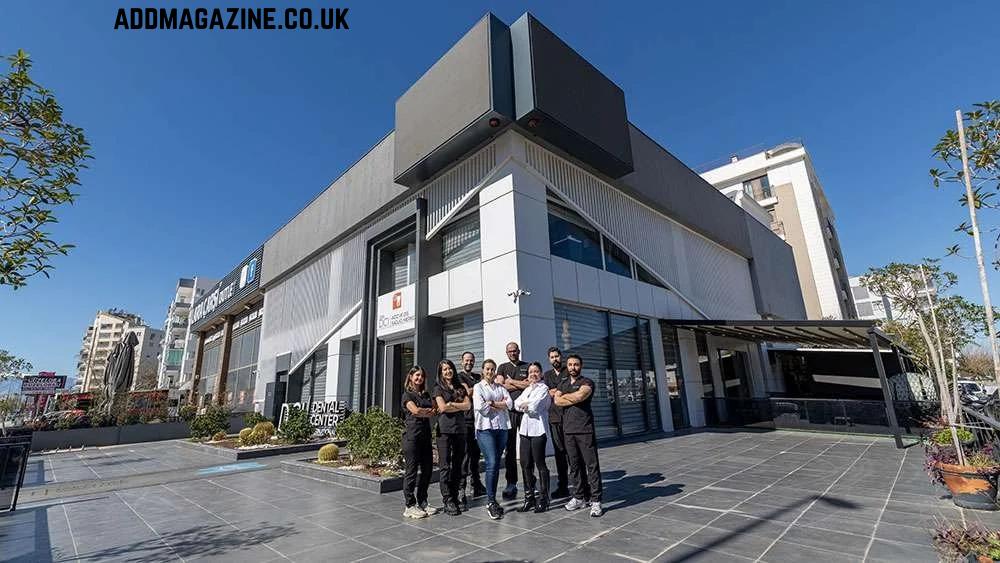
Demand for accessible, personalised dental care has increased as patients become more informed about oral health, restorative treatments and cosmetic dentistry. Patients increasingly choose healthcare providers based on the quality of personalised care, clarity of medical advice, range of treatments, and ongoing support throughout their recovery journey. For Turkish-speaking patients living in Britain, communicating with a dentist in their native language may be particularly important when discussing symptoms, expectations and treatment alternatives.
Antalya has also become a popular destination for people exploring dental care overseas. Deciding whether to undergo treatment in the UK or visit Turkey requires careful consideration of the dental work involved, the length of the treatment process, appointment schedules, travel arrangements and access to ongoing care after the procedure. Understanding these considerations can help patients make more informed decisions.
What Makes Patients Choose a Turkish Dentist in the UK?
Searching for a turkish dentist in uk may reflect a patient’s preference for communicating in Turkish during consultations and treatment. Dental terminology can be difficult to understand, particularly when a proposed procedure involves several stages. Speaking a familiar language may make it easier to describe discomfort, ask detailed questions and understand possible risks.
Clear communication is relevant throughout the patient journey. During an initial examination, the dentist may ask about medical history, medications, allergies, previous dental treatments and current symptoms. Patients should provide accurate information because certain health conditions and medicines can influence treatment planning, anaesthesia, healing and bleeding.
Language compatibility may also help when discussing consent. Before treatment begins, patients should understand why a procedure has been recommended, what alternatives may be available, how long the process could take and what aftercare may be required. However, language alone should not determine the choice of a dental professional. Clinical qualifications, regulatory status, hygiene procedures and continuity of care should also be considered.
Which services may be available at a Turkish dental clinic?
A turkish dental clinic may provide preventive, restorative and cosmetic procedures according to its facilities and the qualifications of its dental team. General dentistry covers a variety of treatments designed to maintain oral health, including regular check-ups, thorough teeth cleaning, cavity repairs and personalised gum treatments. More complex treatment plans may include root canal therapy, crowns, bridges, dental implants or cosmetic applications.
Not every patient requires an extensive procedure. Mild discolouration, limited tooth damage or small gaps may sometimes be addressed through conservative methods. More substantial structural problems may require restorative treatment. The appropriate option can only be identified after the teeth, gums, bite and relevant diagnostic images have been assessed.
Patients considering cosmetic dentistry should ask whether the proposed treatment will require alteration of healthy tooth tissue. Whitening, composite bonding, veneers and crowns serve different purposes and involve different levels of intervention. A treatment that is appropriate for one patient may be unnecessary or unsuitable for another.
A detailed examination supports accurate planning
An initial dental assessment generally involves an examination of the teeth, gums and surrounding tissues. Where clinically required, X-rays or other imaging methods may be used to evaluate tooth roots, bone levels, previous restorations and areas that cannot be inspected directly.
The success of dental implant treatment largely depends on the strength, density, and overall health of the jawbone. Some patients may require additional procedures before an implant can be placed, while others may not be suitable candidates without further assessment. Active gum disease, untreated decay or infection may also need to be managed before restorative or cosmetic work begins.
The condition of the bite should not be overlooked. Tooth grinding or clenching can place excessive pressure on natural teeth and restorations. If these habits are present, the design of crowns, veneers or implant-supported teeth may need to account for the forces involved. Protective measures may also be discussed as part of the long-term plan.
Treatment estimates should explain the full process
A dental treatment estimate should clarify what is included and whether further costs could arise following examination or imaging. Patients may wish to ask about diagnostic procedures, temporary restorations, laboratory work, prescribed medication, follow-up appointments and possible adjustments.
The material selected for a restoration can influence its appearance, strength and clinical use. For example, different types of crowns may be considered depending on the tooth’s location, the remaining dental tissue and the patient’s bite. Rather than choosing a material solely because of its name or appearance, its suitability should be evaluated in relation to the individual case.
The expected length of treatment should be clearly explained and agreed upon beforehand. Some procedures can be completed in one appointment, while others require healing periods, laboratory production or several visits. A realistic schedule is particularly important for patients balancing dental care with work, travel or family responsibilities.
What should patients consider when researching a dental clinic Antalya option?
People investigating a dental clinic antalya may be considering dental treatment during a visit to Turkey. Antalya’s transport links and accommodation infrastructure make the city accessible to international travellers. Nevertheless, dental treatment should remain the primary factor when organising the journey.
Patients should ask how many visits will be required and how much time should be allowed between appointments. Dental implant treatment often takes place over several appointments, allowing sufficient time for the implant to integrate with the jawbone before the final replacement tooth is attached. Similarly, certain cosmetic dental treatments involve several steps, including tooth preparation, temporary fittings, custom-made restorations, fitting assessments and final adjustments to ensure comfort and proper alignment.
Travel schedules should not place unnecessary pressure on the clinical process. Leaving immediately after a surgical procedure may make early review more difficult. Patients should receive clear guidance on when travelling is medically appropriate, which symptoms are normal throughout the healing process, and how to seek professional assistance if unforeseen complications arise.
Cosmetic treatment should preserve oral health
Smile design, whitening, veneers and crowns are often researched by patients seeking aesthetic changes. However, cosmetic planning should begin with an assessment of oral health. Dental problems such as cavities, swollen gums or oral infections should be addressed before moving forward with cosmetic dental treatments.
The lightest tooth shade or most uniform shape does not necessarily create a natural result. Tooth proportions should be evaluated alongside the patient’s facial structure, lip movement, gum line and existing teeth. Digital simulations or temporary previews may help explain a proposed design, although they should not be interpreted as guarantees of an identical final outcome.
Patients should also be informed about maintenance. Restorations do not eliminate the need for brushing, interdental cleaning and routine examinations. Natural teeth beneath or beside restorations can still develop problems, while gum tissues require consistent care.
Aftercare and continuity should be discussed before treatment
Follow-up is an important consideration whether treatment is completed in Britain or abroad. Patients should receive information about expected recovery, oral hygiene, diet, medication and warning signs that require professional attention. Increasing pain, persistent swelling, bleeding or a change in the bite may require assessment.
Those travelling for dental care should ask how follow-up will be arranged after returning home. Treatment records, imaging results and details of implanted or restorative materials may be useful if another dental professional needs to review the work later.
Ultimately, choosing between dental care in the UK and Antalya requires more than comparing location or price. Communication, clinical assessment, informed consent, treatment duration and ongoing care should all form part of the decision. A carefully planned approach can help protect oral health while ensuring that functional and aesthetic expectations are considered realistically.