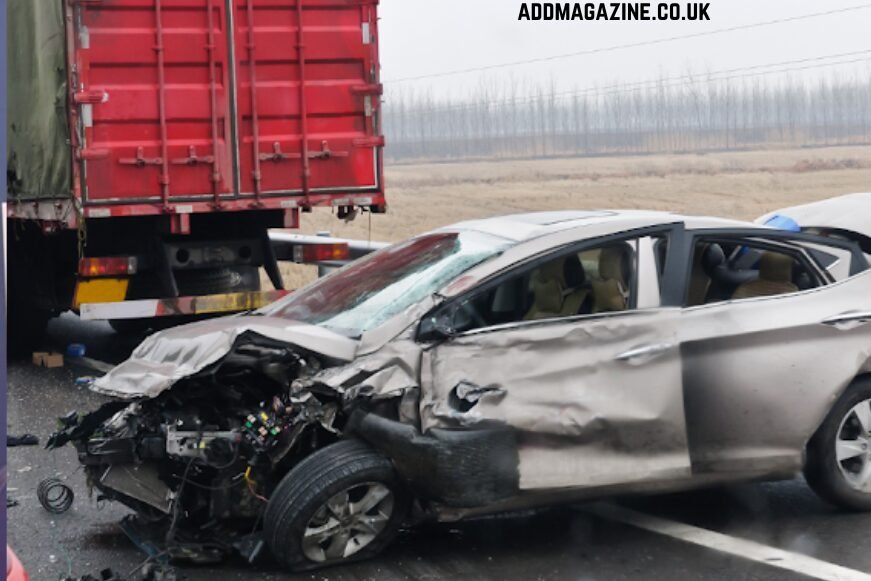
A truck accident in San Diego, CA involving a commercial truck is one of the most devastating events a motorist can experience on Southern California roadways. Whether navigating the tightly packed lanes of Interstate 5 near downtown, traversing the steep grades of Interstate 8 through Mission Valley, or commuting along Interstate 15 and State Route 163, an encounter with an 80,000-pound big rig can change a life in a fraction of a second. Because of the immense size, weight, and force differential between commercial semi-trucks and passenger vehicles, the injuries resulting from these accidents are frequently catastrophic, permanent, or fatal.
Beyond the physical and emotional trauma, victims face a daunting financial crisis. Medical bills can accumulate rapidly, while the inability to return to work threatens a family’s financial stability. Fortunately, California law provides a robust civil framework for victims to seek financial restitution.
Navigating a commercial vehicle claim in San Diego requires a deep understanding of what compensation is available, how it is calculated, and who can be held liable. Compensatory damages are broadly divided into two main categories: economic damages and non-economic damages. In rare, severe instances of gross misconduct, punitive damages may also be pursued.
1. Economic Damages: Quantifying Your Financial Losses
In a truck accident lawsuit, these damages form the baseline of your financial recovery. Because trucking companies and their insurers fight aggressively to minimize payouts, proving economic damages requires precise documentation, including bills, receipts, employment records, and expert financial analysis.
Past and Future Medical Expenses
The physical impact of a semi-truck accident often results in severe trauma, such as traumatic brain injuries (TBIs), spinal cord damage, internal organ injuries, complex fractures, and severe burns. Your claim can seek compensation for every dollar spent on medical care from the moment of the crash onward. This includes:
- Emergency medical transportation (ambulance or airlift)
- Emergency room treatment and trauma center fees
- Surgeries, anesthesia, and hospital stays
- Diagnostic imaging (X-rays, CT scans, MRIs)
- Prescription medications and medical devices (wheelchairs, braces, crutches)
Critically, a comprehensive claim does not stop at past medical bills. If your injuries require ongoing treatment, you are entitled to recover future medical expenses. Calculating these requires collaborating with medical experts and life-care planners to project the lifetime costs of your care, which may encompass future corrective surgeries, ongoing physical or occupational therapy, long-term chiropractic care, mental health counseling for PTSD, and home health aides.
Lost Wages and Income Reimbursement
When severe injuries force you out of work, the loss of income can instantly strain your household. Under California personal injury law, you can recover the total amount of income you lost due to your inability to work while recovering. This component is not limited to your base salary; it covers all forms of employment compensation, including:
- Regular hourly wages or fixed salaries
- Missed overtime opportunities
- Bonuses and commissions you reasonably would have earned
- Accrued sick leave or vacation days used during recovery
- Self-employment income and missed business contracts
Loss of Earning Capacity
If a truck accident leaves you with a permanent disability or long-term cognitive impairment that prevents you from ever returning to your previous line of work, you can claim a loss of earning capacity.
This is distinct from lost wages, as it focuses on your diminished ability to earn money in the future. If you must take a lower-paying, less physically demanding job, or if you can no longer work at all, an economic expert will calculate the lifetime differential in your earning potential. This calculation factors in your age, work history, skill set, promotional trajectory, inflation, and retirement age to ensure you are compensated for the career path that was taken from you.
Property Damage and Loss of Use
When an 18-wheeler collides with a standard passenger vehicle, the smaller automobile is frequently declared a total loss. Your economic damages include the cost to repair your vehicle or, if it is totaled, the fair market value of the car at the time of the crash. Additionally, you are entitled to recover compensation for:
- The value of personal property destroyed inside the vehicle (e.g., laptops, cell phones, car seats, luggage)
- Towing and storage fees
- “Loss of use” compensation, which covers the cost of a rental vehicle while your car is being repaired or replaced
Out-of-Pocket Incidental Expenses
A major accident creates dozens of minor expenses that can quickly add up to thousands of dollars. You are permitted to seek compensation for any reasonable out-of-pocket costs related directly to your injury. Examples include travel expenses to and from medical appointments (gas, parking, or rideshare fees), specialized home modifications (installing wheelchair ramps, widening doorways, or modifying bathrooms), and the cost of hiring help for household chores, landscaping, or childcare that you can no longer perform yourself.
2. Non-Economic Damages: The Human Cost of Trauma
While economic damages patch the holes in your bank account, non-economic damages address the profound personal toll of the accident. These are intangible, subjective losses that do not come with an invoice or a price tag. In many catastrophic truck accident cases, non-economic damages make up the largest portion of a jury award or settlement, reflecting how deeply the injury has altered the victim’s day-to-day life.
Physical Pain and Suffering
This category compensates you for the actual physical agony endured during the accident and throughout your recovery. It accounts for chronic pain, nerve damage, persistent headaches, and the physical discomfort associated with invasive medical procedures, skin grafts, or hardware installations. Your attorney will use your medical records, pain journals, and expert testimony to convey the daily physical reality of living with your specific injuries.
Emotional Distress and Psychological Trauma
The psychological aftermath of a violent truck collision can be just as debilitating as physical wounds. Victims frequently suffer from:
- Post-Traumatic Stress Disorder (PTSD), which can manifest as terrifying flashbacks, panic attacks, or an inability to ride in or drive a motor vehicle
- Severe clinical anxiety and depression stemming from chronic pain or lifestyle changes
- Insomnia, sleep disturbances, and night terrors
- A profound loss of peace of mind and emotional stability
Loss of Enjoyment of Life
San Diego is renowned for its active, outdoor lifestyle. If your injuries prevent you from surfing at Pacific Beach, hiking through Mission Trails Regional Park, playing sports, traveling, or simply playing with your children on the beach, you have experienced a measurable loss of life enjoyment. This damage category seeks to provide financial compensation for the loss of those hobbies, passions, and daily pleasures that give life meaning.
Loss of Consortium
A serious truck accident does not just impact the victim; it ripples through their closest relationships. In California, the spouse or registered domestic partner of an injured victim can file a separate claim for loss of consortium. This compensates the partner for the loss of companionship, moral support, affection, assistance in maintaining the household, and the loss of physical intimacy or sexual relations caused by the victim’s permanent injuries.
Disfigurement and Scarring
Many truck accidents result in severe lacerations, crush injuries, amputations, or catastrophic burns that leave permanent, highly visible scars or structural alterations to the body. Compensation for disfigurement addresses both the physical discomfort of scar tissue and the profound psychological impact of coping with a permanently altered physical appearance, which can lead to social anxiety, low self-esteem, and emotional withdrawal.
| Damage Category | Type of Loss | Examples of Covered Items | How It Is Proven |
|---|---|---|---|
| Economic | Quantifiable Financial | Medical bills, lost wages, future therapy, car replacement, home modifications | Invoices, pay stubs, tax returns, life-care plans, expert financial projections |
| Non-Economic | Intangible Human | Pain and suffering, PTSD, loss of lifestyle, disfigurement, loss of marital intimacy | Witness testimony, psychological evaluations, medical journals, lifestyle impact narratives |
3. Punitive Damages: Punishing Gross Misconduct
Unlike economic and non-economic damages, which are designed to compensate the victim, punitive damages (also known as exemplary damages) are designed to punish the wrongdoer and deter others from engaging in similar behavior.
In the context of a San Diego truck accident, standard negligence (like accidentally misjudging a turn) will not qualify for punitive damages. Instead, your legal team must show a conscious, reckless disregard for human safety.
Scenarios in a commercial trucking case that may trigger punitive damages include:
- Driving Under the Influence: A commercial truck driver operating an 18-wheeler while heavily intoxicated by alcohol, illicit drugs, or unprescribed stimulants.
- Severe Hours-of-Service Violations: A trucking company intentionally forcing or encouraging a driver to bypass federal Hours-of-Service (HOS) regulations, resulting in extreme driver fatigue that causes a crash.
- Falsifying Logs: A driver or logistics firm actively fabricating electronic logging device (ELD) data or paper logs to conceal illegal driving hours.
- Conscious Failure to Maintain Safety Equipment: A trucking company knowingly deploying a tractor-trailer onto public highways with critically defective brakes, bald tires, or steering mechanisms that failed inspection, simply to avoid maintenance down-time.
4. The Web of Liability: Who Pays Your Compensation?
One of the reasons truck accident claims are vastly more complex than standard passenger car accidents is the number of entities involved. In a typical car accident, you sue the other driver. In a truck accident, multiple corporate and commercial entities may share liability, which significantly expands the avenues available to recover full compensation.
Identifying every liable party is critical because commercial accidents involve substantial damages that easily exceed an individual driver’s insurance coverage. Potentially liable parties include:
The Truck Driver
The operator of the vehicle can be held liable if their direct actions caused the crash. Common driver errors include speeding to meet tight delivery deadlines, distracted driving (using mobile devices or dispatch systems), driving while fatigued, failing to check blind spots (the massive “No-Zones”), and taking sharp turns too quickly, causing a rollover.
The Trucking Company / Carrier
Under the legal doctrine of respondeat superior (vicarious liability), an employer is liable for the negligent actions of its employees performed within the scope of their employment. Furthermore, a trucking company can be sued directly for its own independent negligence, such as:
- Negligent Hiring: Hiring a driver with a documented history of reckless driving, multiple DUIs, or severe safety violations without proper vetting.
- Inadequate Training: Failing to properly instruct drivers on how to handle hazardous weather, steep downgrades, or heavy cargo loads.
- Failure to Supervise: Turning a blind eye to systematic drug use or HOS violations within their fleet.
Cargo Shippers and Loading Companies
The Federal Motor Carrier Safety Administration (FMCSA) sets strict guidelines regarding how cargo must be distributed, secured, and balanced. If a third-party logistics company or warehouse improperly loads a trailer, the cargo can shift violently during transport. This shift can cause the driver to lose control, leading to catastrophic jackknife accidents or cargo spills across multi-lane freeways.
Vehicle and Part Manufacturers
If an accident was precipitated by a mechanical failure—such as a sudden tire blowout, a defective trailer hitch, or total brake failure—the manufacturer of the truck or the specific defective component can be held liable under product liability law. In these cases, you do not necessarily have to prove negligence; you must prove that the product had a design, manufacturing, or warning defect that directly caused your injuries.
Third-Party Maintenance Providers
Many trucking fleets outsource their mandatory periodic inspections and mechanical repairs to independent maintenance vendors. If a vendor signed off on a vehicle as safe despite failing to replace worn brake pads or ignoring a faulty transmission, that vendor can be brought into the lawsuit as a negligent party.
5. Factors that Directly Impact Your Settlement or Verdict Value
No two truck accident claims are identical, and there is no simple formula to determine exactly how much money you will recover. Several distinct variables dictate whether a claim settles for tens of thousands of dollars or multiple millions.
The Severity and Permanence of the Injury
The single largest factor driving claim value is the medical reality of your condition. Injuries that require surgery, result in permanent physical or cognitive limitations, cause lifelong chronic pain, or require adaptive modifications to your daily life will inevitably command much higher valuations than soft-tissue injuries that heal fully within a few months.
Clear vs. Disputed Liability
If the trucking company’s liability is absolute—for example, if police records and black box data clearly show the truck ran a red light while the driver was texting—the value of the claim is preserved. If liability is murky or heavily disputed, the defense will use every trick available to minimize their exposure.
California’s Pure Comparative Fault System
California operates under a pure comparative negligence rule (California Civil Code Section 1431.4). This means that you can recover compensation even if you were partially responsible for causing the accident. However, your financial recovery will be reduced by your exact percentage of fault.
Example: If a jury determines your total damages (medical bills, pain and suffering, lost wages) equal $2,000,000, but finds that you were 25% at fault for the accident because you were traveling slightly over the speed limit when the truck cut you off, your final compensation will be reduced by 25%. You would receive $1,500,000 ($2,000,000 minus $500,000).
Because California is a pure comparative fault state, you can theoretically recover damages even if you were 99% at fault, though your payout would be minimal.
Commercial Insurance Policy Limits
In standard auto accidents, recovery is often limited by small personal insurance policies (California’s minimum liability requirement for passenger cars is low). However, commercial trucking operations are bound by much higher federal and state insurance mandates.
Depending on the type of cargo being hauled (e.g., hazardous materials vs. general freight), a commercial truck must carry anywhere from $750,000 to $5,000,000 or more in liability coverage. These high policy limits ensure that if you have suffered catastrophic, multi-million dollar damages, there are actual corporate insurance assets available to pay out your settlement or jury verdict.
6. Crucial Timelines and Evidence Preservation Issues
Recovering full compensation requires moving quickly to protect your legal rights. In San Diego and throughout California, there are strict legal deadlines and fleeting evidentiary windows that can make or break a personal injury claim.
The Statute of Limitations
In California, the statute of limitations for a standard personal injury lawsuit is two years from the date of the accident. If you fail to file a formal lawsuit in a civil court before this two-year window closes, you lose your legal right to seek compensation forever.
However, there are critical exceptions to this rule that can drastically shorten your timeline:
- Government Claims: If the truck involved was operated by a public entity (such as a San Diego County maintenance vehicle, a city truck, or a state transit vehicle), or if a poorly designed public roadway contributed to the crash, you must file a formal administrative claim under the California Tort Claims Act within six months of the accident.
- Minors: If the victim was a child at the time of the crash, the two-year clock is generally tolled (paused) until their 18th birthday.
The Spoliation of Evidence and the “Black Box”
Perhaps the most urgent reason to act quickly after a commercial vehicle accident is the preservation of digital and physical evidence. Modern commercial trucks are equipped with an Electronic Control Module (ECM), often referred to as the truck’s “black box.” The ECM records vital telemetry leading up to a collision, including:
- The truck’s exact speed
- Sudden braking or acceleration patterns
- Steering inputs and gear shifts
- Whether the driver was using cruise control
Trucking companies are permitted by federal law to destroy or overwrite this data after a certain period during their standard course of business. To prevent this, your legal team must immediately issue a formal Spoliation of Evidence Letter to the trucking carrier. This legally demands that they preserve the truck’s ECM data, driver logs, forward-facing dashcam footage, maintenance records, and post-accident drug testing results. If they destroy evidence after receiving this letter, they can face severe legal sanctions in court.
7. How a San Diego Truck Accident Attorney Protects Your Claim
Attempting to handle a commercial truck accident claim on your own places you at a severe disadvantage. In the hours following a major wreck, corporate risk management teams and insurance adjusters are often dispatched directly to the scene to gather evidence, interview witnesses, and build a defense designed to shield the company from liability.
An experienced San Diego injury attorney levels the playing field by acting as your legal shield and advocate. Their role involves a highly strategic, comprehensive approach to maximizing your compensation:
- Independent Investigation: Conducting an independent investigation of the crash site, partnering with accident reconstruction specialists to map skid marks, analyze vehicle crush profiles, and establish exactly how the collision occurred.
- Navigating Federal Regulations: Uncovering violations of complex FMCSA rules regarding driver fatigue, vehicle dimensions, weight limits, and hazardous material protocols.
- Managing Communications: Handling all communication, phone calls, and negotiations with aggressive insurance adjusters, preventing you from inadvertently making recorded statements that could be used to minimize your payout.
- Proving True Value: Partnering with medical specialists, vocational experts, and forensic economists to construct an ironclad model of your total lifetime economic and non-economic losses.
- Litigation Readiness: Preparing your case for trial from day one. If the insurance company refuses to offer a fair settlement that covers the true scope of your injuries, your attorney can file a formal lawsuit and present your case before a San Diego County jury.
The physical, emotional, and financial damage caused by a commercial truck accident can be staggering. While no amount of money can reverse the trauma of a catastrophic collision, securing a comprehensive financial recovery ensures you have access to top-tier medical care, replaces your lost livelihood, and provides long-term peace of mind for you and your family.