Not long ago, commercial logistics followed a predictable roadmap. Businesses built massive distribution hubs in rural areas where land was cheap, moving goods in bulk loads to retail stores. Today, the meteoric rise of e-commerce has fundamentally disrupted this traditional model. Consumers expect packages to arrive at their doorsteps within hours. This demanding expectation has made the final leg of logistics, the “last mile”, the most complex and expensive part of the supply chain. Consequently, businesses are completely overhauling where they place their hubs, fueling interest in regional nodes, such as emerging industrial leasing opportunities in Tampa, to bring operations closer to modern urban consumer populations.
The Disproportionate Cost of the Last Mile
In order to grasp how the last mile is rewriting the rule book when it comes to property, it’s important to examine how much of a burden the last mile creates financially. Studies have found that the last mile makes up more than half of all costs in a supply chain. The reason is that it costs money due to traffic in urban areas, the time delivery trucks spend sitting in traffic, complicated routing, and the manpower required to deliver individual parcels. When a fulfillment center is located 50 miles from a city, drivers spend more time in heavy traffic than delivering goods.
The Shift to Micro-Fulfillment and Urban Infill
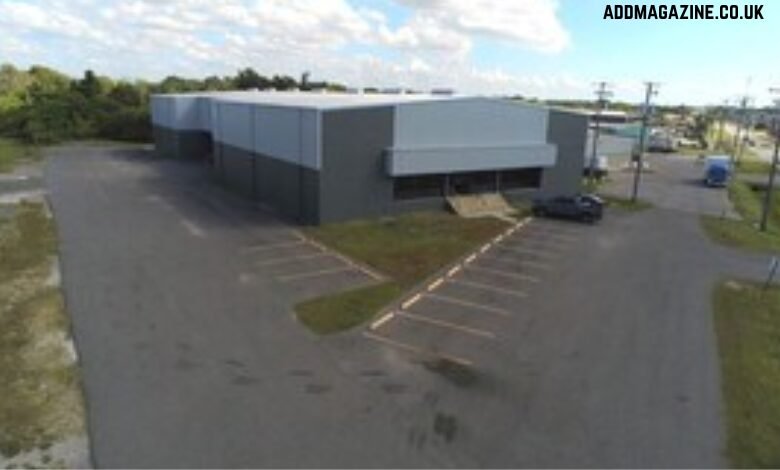
Because finding sprawling acreage inside densely packed cities is almost impossible, industrial developers and retailers are getting creative. The industry is moving rapidly toward smaller, strategically located “micro-fulfillment centers” and urban infill properties. Companies are converting defunct retail facilities, older manufacturing structures, and parking garages into localized sorting centers. While these facilities lack the sheer square footage of rural mega-warehouses, their value lies entirely in their location. Businesses navigating this environment are closely monitoring competitive urban real estate markets and actively evaluating available industrial leasing opportunities to secure a permanent foothold in land-constrained zones.
The Integration of Fleet Technology and Automation
Rethinking locations also means designing spaces that accommodate advanced transportation technology. Modern last-mile facilities are no longer just static storage units; they are high-speed transit centers. With the rapid growth of electric delivery van fleets, newer urban warehouses must be equipped with electrical infrastructure to support fleet charging stations. Furthermore, because urban infill space commands a premium, companies are maximizing internal efficiency by using vertical space. Automated storage and retrieval systems allow operations to stack inventory higher, packing more product into a smaller overall footprint.
Balancing Real Estate Premiums Against Delivery Savings
Securing a logistics property near a major metropolitan center comes with a substantial catch: urban real estate prices are higher than those in rural areas. However, forward-thinking enterprises view this premium through a wider operational lens. The financial savings achieved by reducing driver hours, lowering fuel costs, and keeping customers satisfied through lightning-fast delivery easily offset the higher rent. In the modern marketplace, proximity is no longer a luxury; it is a fundamental pillar of corporate survival. Because of this, the balance between real estate premiums and delivery savings can be delicate.
Conclusion
The last-mile revolution has permanently broken the old rules of corporate real estate. The future of logistics belongs to the agile, the local, and the hyper-connected. Moving forward, a company’s market share will be directly determined by how close its inventory sits to the end user. For growing enterprises looking to thrive in dynamic regional hubs, securing modern space in major trade corridors is a vital priority. Exploring the current industrial leasing opportunities in Tampa or other high-density commerce regions is the definitive first step toward building an adaptable, resilient supply chain capable of winning the race to the consumer’s front door.