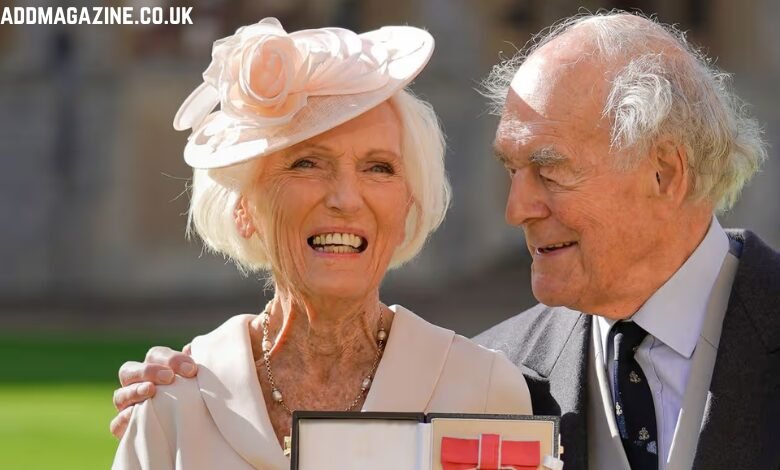
William John March is known as the eldest son of British food writer and television presenter Mary Berry and her husband, Paul John March Hunnings. Although he was not a public figure, his name has become familiar to many people because of the tragic circumstances surrounding his death in 1989.
Only a small amount of verified information about William has been made public. His family has always valued privacy, and Mary Berry has spoken about him only occasionally over the years. Those interviews have focused less on the details of the accident and more on remembering William as a loved son whose loss had a lasting impact on the family.
Early Life
William John March was born in England in 1969. He was the first child of Mary Berry and Paul John March Hunnings, who married in 1966. He grew up with his younger brother, Thomas, and his younger sister, Annabel.
Unlike many children of well-known personalities today, William lived away from media attention. During his childhood and teenage years, Mary Berry was building her career as a cookbook author and food writer, but she kept her family life private. As a result, very little has been publicly shared about William’s early years, and his parents have consistently respected that privacy.
Education
After completing his school education, William went on to study business at Bristol Polytechnic, now known as the University of the West of England.
There is no verified public information about the career he intended to pursue after university. However, he was beginning adult life and continuing his education when tragedy struck. His university years represented an important stage in his future, making his sudden death even more heartbreaking for those who knew him.
The Accident
In 1989, while visiting home from university, William John March was involved in a road traffic accident.
William John March lost his life in 1989 at the age of 19.
His younger sister, Annabel, was travelling in the same car and survived the crash. For Mary Berry and Paul John March Hunnings, the accident marked the beginning of a period of profound grief that would remain with them for the rest of their lives.
Although the circumstances of the accident have been discussed by Mary Berry in later interviews, the family has never allowed the tragedy to become the defining description of William’s life. Instead, they have chosen to remember him as their son first and foremost.
The Family’s Response
The death of a child is one of the most difficult experiences any family can face. Mary Berry has spoken openly about how she and her husband relied on each other during the months and years that followed William’s death.
Rather than allowing grief to create distance between them, they supported one another while continuing to care for their two surviving children. Mary has often said that mutual respect has always been an important part of their marriage and that it helped them cope with an unimaginable loss.
She has also spoken about the relief of knowing that Annabel survived the accident, even while the family mourned William.
Remembering William
For many years, Mary Berry rarely discussed William publicly. As her television career grew, she generally kept her private life separate from her professional work.
In more recent interviews, she has shared some of her thoughts about living with grief. She has explained that although decades have passed since William’s death, his memory remains part of everyday family life. She has spoken about remembering him with affection and gratitude rather than allowing sadness alone to define those memories.
Mary has also reflected on the importance of appreciating the years they had together as a family. Her comments have shown that the passage of time does not erase loss but can change the way people carry it.
Public Interest
Many people first learn about William John March while reading about Mary Berry’s life. As one of Britain’s best-known television personalities, Mary has occasionally spoken about her family during interviews, leading readers to seek reliable information about her eldest son.
Because William lived a private life, the amount of verified public information about him remains limited. Much of what appears online repeats the same confirmed facts, while responsible biographies avoid speculation about his personal interests, ambitions, or relationships.
Legacy
William John March is remembered through the memories shared by his family rather than through public achievements or celebrity. Although his life ended at a young age, he continues to hold an important place in the Berry family’s story.
Mary Berry has demonstrated that it is possible to speak honestly about grief while also celebrating the life of someone who is deeply missed. Her reflections over the years have shown that William’s memory remains an important part of family conversations and personal remembrance.
While the public knows only a small part of William’s story, the verified facts make clear that he was a much-loved son, brother, and university student whose death in 1989 had a lasting impact on those closest to him. His life continues to be remembered with dignity, respect, and affection by his family decades after his passing.
Conclusion
William John March’s life was short, but the memories he created remain meaningful to the people who loved him. Although little about his personal life has been shared publicly, he continues to be remembered as a valued son, brother, and member of his family. His story reflects how the memory of a loved one can remain strong regardless of how much time has passed.
Remembering William is about more than the tragedy that ended his life. It is also about acknowledging the years he spent with his family and the place he continues to hold in their hearts. His life may have been brief, but his memory remains an enduring part of his family’s history.