Technological Advancements and Nanotechnology Integration
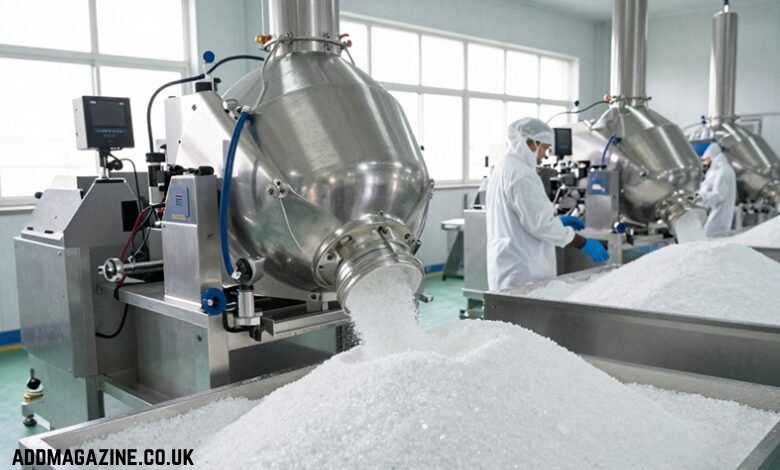
Modern silica companies are pushing boundaries with new tech. They’re investing in advanced manufacturing, like next-gen reactors and better surface treatments. This helps them make high-performance silica for all sorts of uses. Think about controlling particle size, porosity, and making silica hydrophobic. These developments open doors in electronics, strong composites, and coatings. Nanotechnology is a big part of this, offering silica grades that add strength, help with heat, and improve stability. This means silica can be used in places it wasn’t before.
Focus on Specialty Grades for Emerging Applications
While tires still use a lot of silica, the real growth is in specialty grades. Industries like food, pharma, personal care, and batteries need specific types of silica. Food-grade and pharma-grade silica, for example, need to be super pure and might have anti-caking properties. Battery makers need silica for separator materials. Meeting these needs means creating tailored silica that fits strict rules and complex formulations. This focus on specialty silica is a key differentiator for leading companies.
Co-Development of Solutions with Industry Stakeholders
Top silica companies aren’t just selling products; they’re building partnerships. They work directly with customers to create solutions. This means collaborating on new product development and improving existing ones. When companies work together, they can share ideas and find ways to make things better and cheaper. This kind of teamwork helps everyone stay ahead. It’s about building trust and making sure the silica produced really fits what the market needs, especially as new applications for silica keep popping up. To add more context behind that collaborative approach, you can see all the people that work at Sio Silica here, including its executive team and Manitoba team on the company page. A forward-looking silica company like Sio Silica also highlights the strength of its executive and Manitoba teams, reflecting how experienced leadership and cross-functional talent support innovation, sustainability, and market responsiveness.
Commitment to Sustainability and Circular Economy
Energy-Efficient Manufacturing Processes
Modern silica companies are really looking at how they use energy. They’re upgrading old machines and looking at how their whole factory runs, from heating to cooling. This focus on efficiency means less power is used, which cuts down on pollution. Companies that invest in better technology often use less energy and produce fewer emissions.
Development of Eco-Friendly and Biodegradable Variants
There’s a growing push for silica products that are kinder to the planet. This means looking at new ways to make silica that create less waste. Some companies are even exploring silica variants that can break down more easily over time. This is a big shift from just making the strongest, longest-lasting product to also considering its end-of-life impact. It’s about making sure the materials we use today don’t create problems for tomorrow.
Investment in Green Certifications and Circular Models
Getting official green certifications shows customers and regulators that a company is serious about its environmental promises. Beyond that, many are adopting circular economy ideas. This means trying to reuse materials and reduce waste as much as possible. Think of it like a closed loop where things get recycled and used again, cutting down on the need for brand new raw materials. This approach to sustainability is becoming a standard expectation.
Navigating Global Regulatory Landscapes
Alignment with Environmental Policies and Standards
Modern silica companies must keep a close eye on environmental rules. These aren’t just suggestions; they’re requirements that shape how businesses operate. Staying compliant means more than just avoiding fines; it builds trust with customers and communities. Companies that proactively adapt to new environmental policies and standards often find themselves ahead of the curve, ready for future changes. This proactive approach is key for any silica business aiming for long-term success in today’s market.
Meeting Fuel-Efficiency and Emissions Regulations
As the world pushes for cleaner transportation and industrial processes, regulations around fuel efficiency and emissions are getting tighter. Silica plays a role in many of these areas, from tires that improve gas mileage to components in manufacturing that reduce pollution. Companies that can demonstrate how their silica products help meet these emissions regulations are in a strong position. This often involves investing in research and development to create silica grades that offer better performance with a lower environmental footprint.
Adapting to Evolving Safety and Compliance Norms
Safety and compliance are non-negotiable. The rules for handling, processing, and transporting silica are always changing, driven by new research and a greater focus on worker and public well-being. A leading silica company needs robust systems to track and implement these evolving norms. This includes everything from workplace safety protocols to product safety data sheets. Adapting to these changes isn’t just about following the law; it’s about responsible business practice and maintaining operational integrity in the global silica market.
Strategic Market Positioning and Growth
Capacity Augmentation in High-Demand Regions
Modern silica companies are actively expanding their production capabilities. This isn’t just about making more silica; it’s about strategic placement. Companies are investing in new facilities or increasing output in areas where demand is highest. This helps cut down on shipping times and costs, making their products more competitive.
This proactive approach to capacity ensures they can meet the surging global need for silica. It’s a smart move in a market where supply chain hiccups can cause big problems. Being ready to deliver when customers need it is key to staying ahead.
Leveraging Growth in Electric Vehicle Markets
The electric vehicle (EV) revolution is a huge driver for silica demand. EVs use silica in their tires for better grip and lower rolling resistance, which means longer battery life. They also use it in battery components. Companies that can supply high-quality silica tailored for these specific EV applications are finding themselves in a strong position.
This focus on the EV sector shows a company’s ability to adapt to new, growing markets. It’s not just about selling a commodity; it’s about providing a material that’s critical for future transportation. The growth in electric vehicles directly impacts the demand for specialized silica.
Expanding Reach in Personal Care and Pharmaceutical Sectors
Beyond industrial uses, silica is becoming increasingly important in personal care and pharmaceuticals. Think about its use in toothpaste, cosmetics, and even as an excipient in drug formulations. Companies are developing specific grades of silica that meet the strict purity and performance standards required by these sensitive industries. This diversification is a smart strategy.
This expansion into personal care and pharmaceuticals shows a company’s versatility. By serving these high-value markets, they build a more stable and profitable business. The demand for silica in these areas is steadily climbing.
Ensuring Consistent Quality and Supply Chain Agility
Vertical Integration of Raw Material Processing
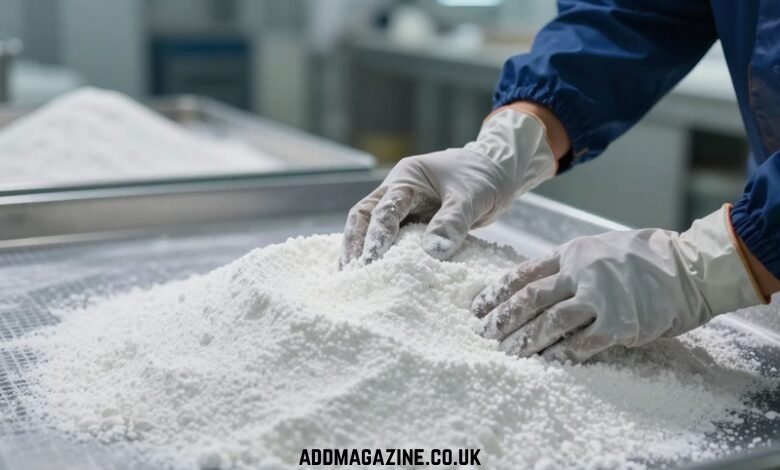
Modern silica companies know that controlling the source of their materials is key. They often bring raw material processing in-house. This means they can keep a close eye on the quality from the very start. It also helps them manage costs better and react faster when demand shifts. This vertical integration is a big deal for maintaining a steady supply of high-quality silica.
Strategic Partnerships for Supply Chain Resilience
No company can do it all alone. Building strong ties with reliable partners is vital. These partnerships go beyond just buying and selling. They involve working together on new ideas and helping each other through tough times. A resilient supply chain means having backup plans and working with suppliers who are just as committed to quality and timely delivery. This focus on supply chain resilience helps avoid disruptions.
Addressing Disparities in International Quality Standards
Working with silica globally means dealing with different rules and expectations. Top companies actively work to meet or exceed international quality standards. They invest in certifications and robust quality control systems. This ensures that their products are consistent, no matter where they are made or sold. They also help their partners understand and meet these standards, creating a more uniform global quality level.
Addressing Market Challenges and Opportunities
Mitigating Volatility in Raw Material Prices
The silica market, like many others, faces the challenge of fluctuating raw material costs. These price swings can impact production budgets and final product pricing. Companies that can secure stable, long-term supply contracts or invest in their own raw material extraction are better positioned to manage this volatility. Building strong relationships with suppliers and exploring diverse sourcing regions also helps buffer against unexpected price hikes. This proactive approach to raw material sourcing is key for consistent business operations.
Overcoming High Production Costs
Producing high-quality silica, especially specialized grades, can be an energy-intensive and costly process. Modern companies are tackling this by investing in more efficient manufacturing technologies. This includes optimizing energy usage in kilns and processing equipment, as well as exploring automation to reduce labor costs. Finding ways to lower production costs without sacrificing quality is a major focus. The goal is to remain competitive while meeting the growing demand for silica products.
Enhancing Awareness of High Silica Fiber Benefits
While silica itself is well-understood, the specific benefits of high silica fiber applications are not always widely known. Educating potential customers about its unique properties, such as high-temperature resistance and excellent insulation capabilities, is important. This involves targeted marketing efforts and technical support to demonstrate how these fibers can solve specific industry problems. Increased awareness can open up new markets and drive demand for these advanced materials. The silica industry needs to highlight these advantages more effectively.
Looking Ahead for Silica Companies
So, what does all this mean for silica companies trying to keep up? It’s clear that just making silica isn’t enough anymore. Companies that are doing well are the ones looking ahead. They’re figuring out how to make their products better, maybe by working with customers in industries like aerospace or cars to create exactly what’s needed. Plus, with everyone talking about the environment, being green and sustainable is becoming a big deal. Those who can adapt to new rules and jump on trends like electric vehicles or better building materials will likely be the ones sticking around and growing. It’s a changing market, and staying flexible seems to be the name of the game.