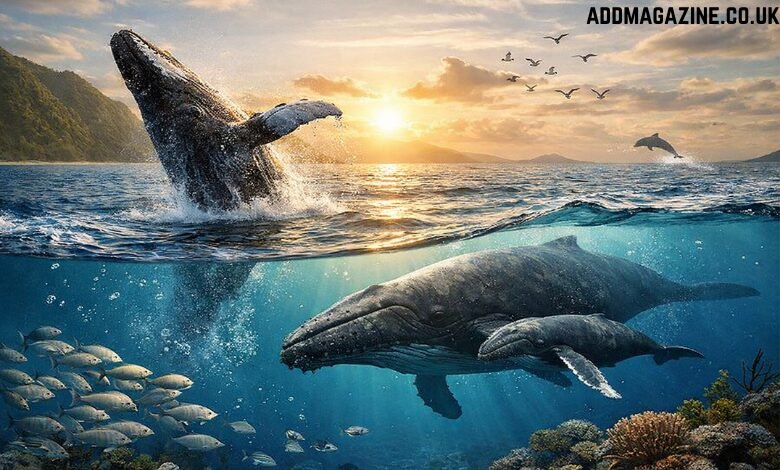
In a world where personal wellness often feels like a constant race against time, an emerging philosophy known as Whaleness offers a refreshing perspective on health, peace, and sustainability. The concept of Whaleness blends human well-being with the natural world, emphasizing the intricate connection between individual health and the environment. At its core, Whaleness proposes that the key to personal health is found in the health of the planet and the creatures that inhabit it, particularly whales.
But what exactly is Whaleness? It’s more than just a trend or a passing wellness fad; it’s a holistic approach to living that calls for mindfulness, balance, and ecological responsibility. By combining elements of mindfulness and sustainable living, it teaches that the earth’s health and our own are deeply interconnected. In simple terms, Whaleness is a philosophy that aligns personal well-being with environmental consciousness, urging individuals to reconnect with nature, slow down, and embrace a lifestyle that nurtures both the planet and oneself.
The Concept of Whaleness
Whaleness is derived from the union of two concepts: “whale” and “wholeness.” It reflects the belief that, just as whales live in harmony with the ocean, humans should live in harmony with the Earth. The whale, with its slow and deliberate movements, is a symbol of balance and wisdom. Whaleness proposes that, just as the health of the whale is essential for the ocean’s ecosystem, the health of the Earth is vital for human well-being.
This philosophy teaches that when humans take care of the environment, they take care of themselves. It emphasizes that personal wellness cannot be achieved in isolation from the planet. When the Earth is healthy, we too experience greater physical, emotional, and spiritual health. Thus, Whaleness encourages us to view ourselves as part of a larger system—a system where every action we take, every choice we make, impacts not just our own lives but the lives of all living beings.
The Significance of Whales in Whaleness
Whales are the cornerstone of Whaleness, both symbolically and practically. These magnificent creatures, known for their immense size and graceful movements, embody the essence of balance, peace, and interconnectedness. Their role in the ocean’s ecosystem is essential: they help maintain the health of marine environments and are crucial for the overall stability of the planet’s climate.
Whales are an inspiration for human life in several ways. Their slow movements remind us of the importance of patience, of taking our time, and of avoiding the rush that often characterizes modern life. The deep, resonant sounds they produce emphasize the importance of communication and connection—both with nature and each other. Moreover, whales travel in pods, demonstrating the strength of community and the importance of nurturing relationships.
The emotional connection humans feel when seeing or hearing about whales is profound. Their presence in nature evokes feelings of calm, awe, and respect for the world we live in. Whaleness encourages us to use this connection as a tool for personal reflection and growth. By meditating on the peaceful life of whales, we can cultivate a sense of tranquility and mindfulness in our own lives.
The Scientific Foundation of Whaleness
Whaleness is not just a philosophical idea—it is also grounded in science. Whales play a vital role in maintaining the health of the ocean, which in turn impacts the overall health of the planet. One of the most significant contributions of whales to the ecosystem is their role in nutrient cycling. When whales dive deep into the ocean, they bring nutrients from the deep waters to the surface, supporting the growth of phytoplankton. These microscopic plants are essential for producing oxygen and absorbing carbon dioxide, making them crucial in the fight against climate change.
Whales also help regulate the ocean’s carbon cycle. Their biological processes, including their excretion and decaying bodies, contribute to carbon sequestration. This means that healthy whale populations help stabilize the global climate, providing cleaner air for all living beings. The health of the oceans, therefore, directly affects the health of the planet, making whales an integral part of planetary well-being.
The scientific connections between whale health and planetary health reinforce the principles of Whaleness. By recognizing that our health is dependent on the health of the Earth, we are motivated to take actions that protect both our environment and ourselves.
Mental and Emotional Benefits of Whaleness
In today’s fast-paced, stress-laden world, mental and emotional well-being are increasingly at the forefront of health discussions. Whaleness offers a solution to the modern-day mental health crisis by encouraging individuals to slow down, reconnect with nature, and embrace a more mindful lifestyle. The practice of Whaleness offers several key mental and emotional benefits:
- Reduced Stress and Anxiety: The very act of slowing down and reconnecting with nature can have profound effects on mental health. Spending time near water or immersing oneself in natural environments can help lower stress levels and reduce anxiety. The slow and steady pace of whales in the ocean serves as a metaphor for a more deliberate and peaceful life.
- Increased Focus and Clarity: When individuals disconnect from the constant barrage of distractions in modern life and focus on their environment, they experience improved clarity and focus. Whaleness encourages practices like mindful breathing and being present in the moment, which can help individuals stay grounded and centered.
- Improved Emotional Intelligence: Just as whales demonstrate deep communication and social bonds, Whaleness promotes the development of emotional intelligence. It encourages individuals to listen deeply, both to themselves and others, fostering healthier relationships and better emotional regulation.
- Inner Peace: Emulating the calm, graceful nature of whales can help individuals cultivate a sense of inner peace. Whaleness offers practices like meditation, nature walks, and ocean visualization to help individuals find moments of stillness and quiet in their busy lives.
Physical Wellness Through Whaleness
Whaleness also promotes physical wellness, but in a way that is gentle and sustainable. Rather than focusing on intense physical exercise or restrictive diets, Whaleness encourages simple, everyday practices that support the body’s natural rhythms. Some of the key physical benefits of Whaleness include:
- Improved Overall Health: Whaleness promotes a lifestyle of balance and harmony, which naturally leads to improved physical health. Gentle activities like stretching, walking, and mindful movement encourage a healthier, more active lifestyle without the stress of overexertion.
- Sustainable Living: Physical health is also connected to the environment. By adopting sustainable habits, such as reducing waste, eating plant-based foods, and conserving energy, individuals contribute to a healthier planet, which in turn supports their own well-being.
- Holistic Approach: Whaleness encourages a holistic approach to health, where physical well-being is interconnected with emotional, mental, and environmental health. This comprehensive approach ensures that individuals take care of themselves in all aspects of their lives.
Whaleness and Sustainability
One of the most important aspects of Whaleness is its focus on sustainability. Whaleness teaches that caring for the Earth is not only an environmental responsibility but also an essential part of personal well-being. By living in harmony with nature, individuals can help ensure that the planet remains a healthy place for future generations.
Sustainable practices that align with the principles of Whaleness include:
- Reducing Plastic Consumption: Plastic pollution is a major threat to marine life, including whales. Whaleness encourages individuals to reduce plastic use and support eco-friendly alternatives.
- Conserving Water: Water is essential for all life on Earth, and the health of the oceans is directly tied to the health of freshwater resources. Whaleness promotes water conservation practices to protect both marine and freshwater ecosystems.
- Supporting Conservation Efforts: Whaleness encourages individuals to support organizations and initiatives dedicated to protecting whales and their habitats. This can include donations, volunteering, or simply spreading awareness about the importance of whale conservation.
A Spiritual Dimension of Whaleness
While Whaleness is not tied to any specific religion, it does have a spiritual dimension. It encourages individuals to connect with something larger than themselves—the Earth, the ocean, and the creatures that live within it. The awe and wonder that whales inspire in people often leads to a deeper sense of respect for life and the planet.
Whaleness provides a sense of meaning and purpose by reminding individuals of the beauty and mystery of the natural world. It encourages practices that foster a sense of interconnectedness and gratitude, promoting inner peace and a positive mindset.
Conclusion
Whaleness offers a new way of thinking about health and wellness—one that recognizes the deep connection between human well-being and the health of the planet. By adopting the principles of Whaleness, individuals can cultivate balance, mindfulness, and sustainability in their lives. It is a philosophy that invites us to slow down, connect with nature, and live in harmony with the Earth.
In a world that often feels chaotic and disconnected, Whaleness offers a gentle and transformative path to peace, balance, and wellness. Through small, mindful actions, individuals can contribute to the health of the planet while improving their own lives. By embracing Whaleness, we can create a more connected, harmonious, and sustainable world for generations to come.