Wedding décor has entered a more practical era. Couples still want a beautiful day, but many are questioning which details truly shape the room and which ones disappear into the background after a few photos. The result is a smarter style of planning, where money goes toward atmosphere, comfort, and the pieces guests will actually notice.
This shift does not mean bare tables or generic spaces. It means couples are getting sharper about sourcing and scale. They are comparing flower quotes earlier, simplifying rental orders, choosing versatile lighting, and looking at practical categories such as wholesale candles when they need a polished look across many tables without paying boutique prices for every small accent.
Spend First Where Guests Look First
A smaller décor budget works better when the couple chooses a few strong visual moments instead of spreading money thin across the entire venue. Guests remember the ceremony backdrop, the dinner tables, the entrance, and the dance floor. They rarely remember small decorative pieces tucked into corners.
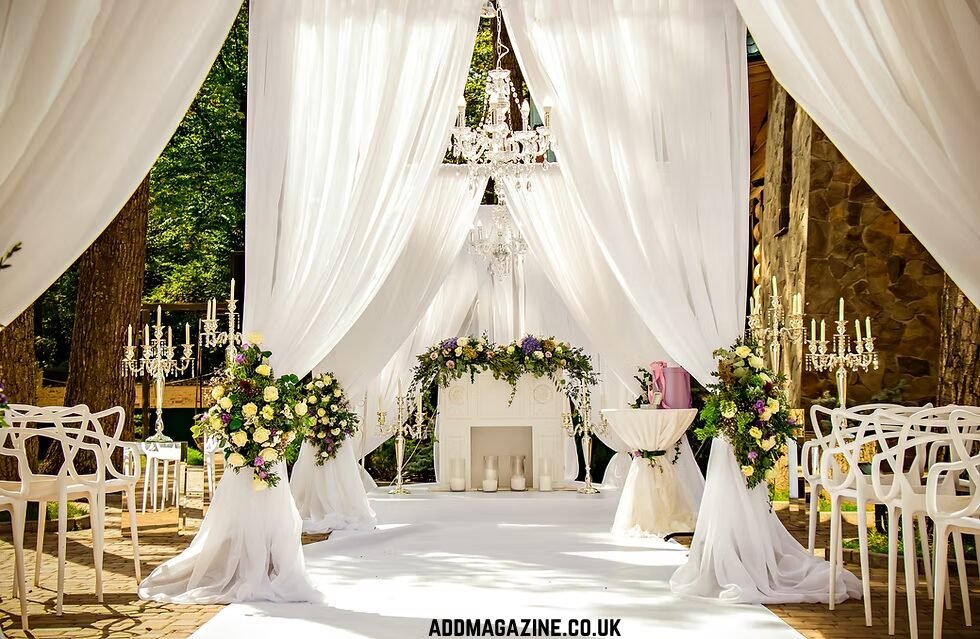
This is why many budget-conscious couples now build their décor plan around the main sightlines. A dramatic ceremony arch can later frame the sweetheart table. A strong tablescape can make a simple reception room feel more finished. Bulk wedding candles can help create consistency across guest tables, welcome areas, and lounge spaces when the couple needs many pieces in the same size or color.
The goal is control. When every decorative dollar has a clear job, the room feels intentional. A wedding with fewer pieces can look more refined than a room filled with low-impact extras bought out of panic during the final planning weeks.
Select a Venue with an Existing Ambience
The fastest way to reduce décor costs is to book a space that already has character. A garden, historic hall, rooftop, vineyard, private dining room, or well-designed restaurant can lower the need for heavy styling. The room gives the couple a head start before any flowers or rentals arrive.
A plain ballroom can still look beautiful, but it often needs more help. Draping, lighting, upgraded chairs, large floral installations, and custom backdrops can quickly push the budget upward. Couples trying to control costs are paying closer attention to walls, floors, windows, ceiling height, and existing furniture before signing a venue contract.
A strong venue also makes simpler décor feel more expensive. Clean linens, warm lighting, and a few well-placed arrangements may be enough when the space already has texture and charm. This approach also reduces setup time, which can lower labor costs from vendors.
Let Flowers Work Harder
Flowers are among the most visible wedding costs, yet they are also among the easiest to overspend. The new budget approach is not to avoid flowers.
Couples are asking florists for designs that can move from one part of the day to another. Ceremony arrangements can frame the couple during the vows, then shift to the reception. Bridesmaid bouquets can become small table accents. Aisle flowers can later dress the bar or dessert table.
Scale matters here. A few fuller arrangements often look better than many tiny ones. Petite floral pieces can get lost in a large room, especially with high ceilings or wide tables. A florist can often create a stronger look by focusing on fewer areas with better volume, better color balance, and cleaner placement.
Use Lighting Before Adding More Objects
Lighting changes how guests read a room. A simple table can feel romantic under warm light. A basic wall can fade into the background when the room has the right glow. Good lighting can do more for the mood than a large number of small decorative items.
Couples with limited budgets are leaning into candles, dimmed overhead lights, uplighting, string lights, and pin spots for key areas. The right lighting plan can make centerpieces look fuller, make food stations feel more styled, and make photos look softer. It also helps the reception feel intimate, even in a larger venue.
Safety and venue rules still matter. Some venues require enclosed flames or flameless alternatives. Others limit candles to certain areas. A couple should confirm these rules before buying décor, because a last-minute change can lead to wasted money and rushed substitutions.
Rent the Pieces That Do Not Need to Be Owned
Buying every decorative item can feel cheaper at first, especially when online prices look low. The hidden cost often appears later. Couples need storage, transport, setup help, cleanup time, and a plan for items they may never use again.
Rentals make sense for pieces that need to look consistent and arrive in good condition. Chargers, linens, table numbers, arches, lanterns, vases, lounge furniture, and specialty stands can be easier to rent than buy. Rental companies also know how to pack and transport fragile items, which reduces breakage and stress.
The best rental strategy is selective. A couple may choose standard venue chairs, then upgrade only the sweetheart table chairs. They may use basic linens for guest tables, then spend more on napkins with better texture. Small upgrades can bring style into the room without turning the entire rental order into a luxury package.
Keep DIY Small, Clean, and Realistic
DIY décor can save money, but it can also become expensive in time, supplies, and frustration. The most successful DIY wedding projects are simple, repeatable, and easy to finish weeks before the event. Anything that must be built, painted, packed, or arranged the night before the wedding carries more risk.
Good DIY candidates include printed signs, place cards, favor tags, simple table numbers, and small welcome details. Floral work, tall installations, candle-heavy layouts, and anything involving glass in large quantities can become harder than expected. Professional setup may cost more upfront, but it often protects the final look.
Couples should also be honest about their wedding week. Family and friends may offer help, but they will also need time to dress, travel, take photos, and enjoy the day. A budget plan should reduce pressure, not move the burden onto guests.
Build Style Through Consistency
A stylish wedding does not need endless variety. In many cases, consistency is what makes a budget wedding look elevated. Repeating the same candle shape, linen tone, flower color, or menu card style can make the design feel calm and complete.
This is where a simple design palette helps. Two or three main colors are often enough. A couple can add depth through texture rather than more décor categories. Linen, glass, greenery, paper, wax, wood, and metal can create a layered look without crowding the room.
Consistency also helps with shopping decisions. When the couple knows the exact mood of the day, it becomes easier to reject random extras. That discipline protects the budget and the final design. The wedding feels more personal because each choice belongs in the same visual story.