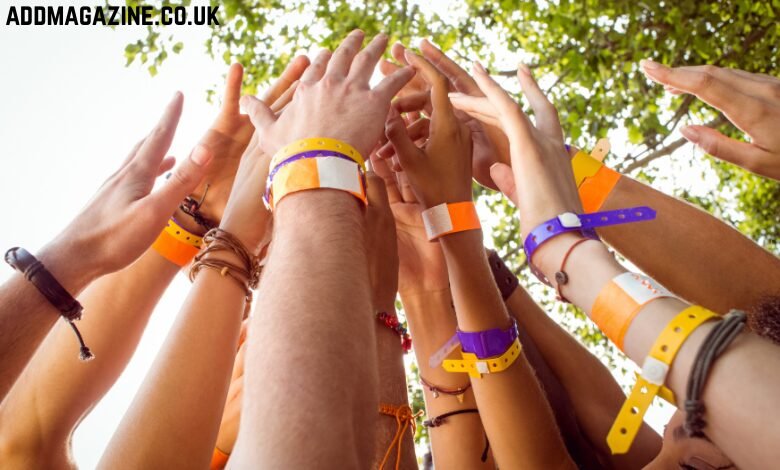
As we move through the second quarter of 2026, the global marketplace has undergone a fundamental shift that transcends traditional economic metrics. We have transitioned from a service-based economy into what experts now define as the “Experience Economy.” In this new landscape, value is no longer derived solely from the quality of a product or the efficiency of a service; instead, it is found in the depth, resonance, and psychological impact of the engagement itself. For modern business leaders and entrepreneurs, understanding this shift is no longer optional—it is the primary prerequisite for survival.
The modern consumer, particularly within the sophisticated markets of the UK and Europe, has become increasingly resistant to traditional commodity consumption. We are witnessing a renaissance of experience, where the pursuit of meaningful engagement has become the primary driver of discretionary spending. However, creating these moments requires more than intuition; it requires a scientific, data-driven approach to human behaviour and operational excellence. At the heart of this transformation is the rise of specialised leadership—a new class of visionaries who are being trained not just to manage facilities, but to engineer environments of aspiration.
The Orlando Blueprint: A Living Laboratory for Innovation
While the principles of the experience economy are global, the epicentre of its research and development remains uniquely situated. In the United States, Orlando, Florida, has emerged as the world’s premier living laboratory for hospitality innovation. This is not merely due to the presence of global theme park giants and luxury resorts, but because of the sophisticated ecosystem that has developed around them. In this environment, the boundaries between academia and industry have dissolved, creating a feedback loop of constant refinement.
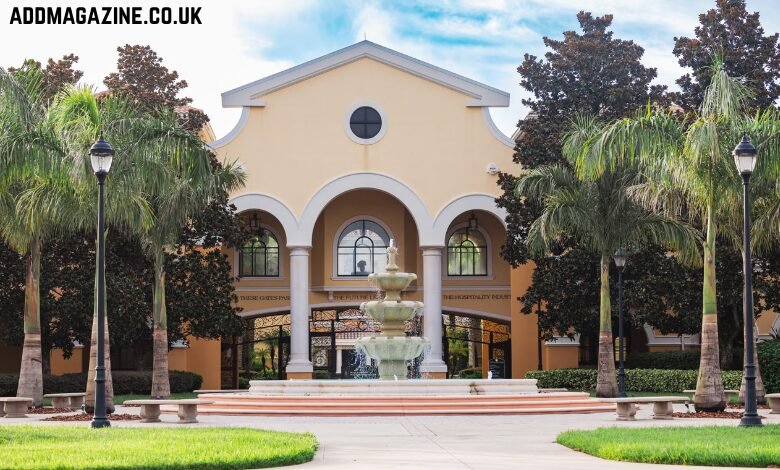
The UCF Rosen College of Hospitality Management sits at the very centre of this ecosystem. Its proximity to the world’s most visited destinations allows for a level of immersive research that is unparalleled. Here, the “Orlando Blueprint” is being written—a methodology that treats every guest interaction as a variable in a complex equation of satisfaction and loyalty. For the international business community, this region serves as a glimpse into the future of destination management. It is a place where the logistical challenges of moving millions of people are met with the psychological nuance of ensuring every single one of them feels like a VIP.
This ecosystem of innovation is built upon a foundation of collaborative research. The faculty and researchers are not working in isolation; they are embedded within the operations of the world’s leading leisure and tourism brands. This allows for the real-time analysis of emerging trends—from the integration of augmented reality in guest rooms to the development of hyper-personalised culinary programmes. For an entrepreneur in London or a developer in Dubai, the insights emerging from this Orlando-based hub provide the strategic framework needed to realise global ambitions.
The Science of Service: Data-Driven Engagement
One of the most significant developments in 2026 is the total integration of predictive analytics into the hospitality sector. We have moved past the era of reactive service. The modern standard is proactive, data-driven engagement. By leveraging AI and machine learning, leaders in the field can now anticipate guest needs before they are even articulated. This is the “Science of Service,” and it is the primary differentiator between a generic brand and a global leader.
Predictive guest analytics allow for a level of personalisation that was previously impossible. Imagine a resort environment that adjusts its ambient lighting, temperature, and even olfactory profiles based on the biometric feedback of the guest. Or consider a dining experience where the menu is dynamically generated based on a guest’s previous nutritional data and current emotional state. This is not science fiction; it is the current frontier of hospitality research being pioneered at the highest institutional levels.
However, the human element remains the most critical component of this data-driven world. The challenge for 2026 is not just the implementation of technology, but the “Human-Centric Integration” of that technology. Specialised leadership training now focuses heavily on emotional intelligence and behavioral psychology. The goal is to use data to remove friction from the guest experience, allowing the human staff to focus on the high-touch, empathetic interactions that define true hospitality. This balance of high-tech and high-touch is the signature of a world-ranked programme, producing graduates who are as comfortable with a spreadsheet as they are with a high-stakes guest negotiation.
Solving the Workforce Paradox
The global tourism and leisure sectors are currently facing a significant workforce paradox. While demand for high-quality experiences is at an all-time high, the industry is struggling with a global talent shortage. Addressing this requires a radical reimagining of how we train and retain the next generation of leaders. The solution lies in professionalisation.
By elevating hospitality to a rigorous academic and strategic discipline, we are attracting a new calibre of talent. Modern leadership training focuses on the “Corporate Lifecycle,” teaching students how to manage massive capital investments, navigate complex international regulations, and lead diverse, multi-generational teams.
This professionalisation also addresses the sustainability mandate of 2026. Global travellers are no longer satisfied with superficial “green” initiatives. They demand verifiable environmental integrity. Today’s industry leaders are being trained in the principles of the circular economy—learning how to reduce the carbon footprint of a global hotel chain while simultaneously increasing operational efficiency. This intersection of sustainability and profitability is where the future of the industry will be won.
The Global Career Trajectory: Engineering the Future
The ROI of specialised leadership training in this sector has never been higher. As we look at the executive boards of global hotel chains, cruise lines, and event conglomerates, we see a clear pattern: the top positions are increasingly held by individuals with a background in advanced experiential management. These are the CEOs and COOs who are shaping the global tourism landscape by applying the rigorous standards of the Orlando laboratory to markets across the world.
A degree in this field is now a “Global Passport.” It provides the analytical tools and the strategic mindset needed to navigate the complexities of international destination management. Whether it is revitalising a heritage brand in Europe or launching a new luxury concept in Southeast Asia, the principles remain consistent: a relentless focus on the guest, a mastery of operational data, and a commitment to visionary leadership.
For the readers of Add Magazine, it’s clear that the experience economy will play a pivotal role in driving growth throughout the late 2020s. Those who invest in the professionalisation of their teams and the scientific refinement of their guest journeys will be the ones who define the future. The era of the “amateur” in hospitality is over. We have entered the era of the architect—the individual who can design, build, and sustain an environment of aspiration that stands the test of time and volatility.
Conclusion: The Visionary Standard
The evolution of the hospitality and tourism sectors is a testament to the enduring power of human connection. At a time when many connections feel distant and digital, offering people a real place to gather, relax, and feel welcomed has become a powerful advantage.
By focusing on advanced research, evidence-based strategies, and workforce development, the sector is establishing itself as a cornerstone of the global economy. The work being done in hubs like Orlando is not just about “holidays”; it is about the engineering of human happiness and the strategic management of global experiences. As we look toward the 2030s, the standard for excellence will be set by those who understand that in the experience economy, the only limit is the scale of one’s vision. To lead in this space is to be a steward of the world’s most valuable resource: the meaningful moments that define a life well-lived.