Why Recessed Lighting is the Interior Designer’s Secret Weapon
In the world of interior design, there is a famous adage: “Good lighting is seen, but great lighting is felt.” While a grand chandelier or a bold pendant lamp acts as a statement piece, there is another category of illumination that does the heavy lifting behind the scenes, notes Rico Real Estate experts.
Recessed lighting—fixtures installed directly into a ceiling, wall, or floor is the ultimate tool for creating clean lines and sophisticated atmospheres. By hiding the “engine” of the light source, recessed solutions allow the architecture of a room to take center stage.
Whether you are designing a high-end residential project or a sleek commercial workspace, understanding how to utilize recessed lighting can transform a cluttered ceiling into a seamless canopy of light.
The Minimalist Appeal: Clean Ceilings and Open Spaces
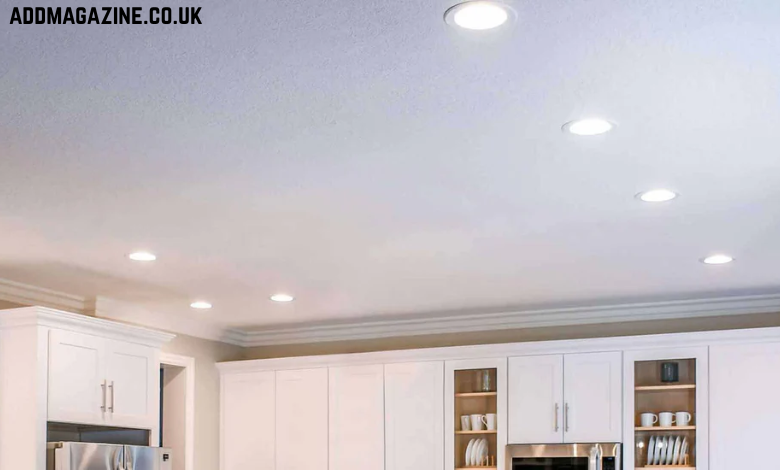
One of the primary reasons architects gravitate toward recessed fixtures is the desire for “visual quiet.” In modern design, a ceiling cluttered with bulky surface-mounted boxes or dangling wires can disrupt the flow of a room.
Recessed lighting sits flush with the surface, maintaining the integrity of the ceiling plane. This is particularly effective in spaces with lower ceiling heights, where traditional fixtures might make the room feel cramped. By tucking the light source away, you draw the eye across the expanse of the room rather than stopping at the fixture itself, making any space feel larger and more “architectural.”
Beyond the “Downlight”: The Versatility of Recessed Systems
When people think of recessed lighting, they often picture a standard circular “pot light.” However, modern engineering has expanded the category into a diverse toolkit of light:
1. Recessed Linear Profiles
Linear recessed lighting has revolutionized office and corridor design. These sleek “lines of light” can be installed in continuous runs, cutting through ceilings or even transitioning from walls to ceilings. They create a sense of direction and movement, perfect for guiding people through a building.
2. Wall Washers
A recessed wall washer is designed to cast a uniform sheet of light across a vertical surface. This technique hides imperfections in the wall while highlighting textures, such as exposed brick or artwork. It also makes a room feel wider by pushing the visual boundaries of the space outward.
3. Adjustable Accents (Gimbals)
Not all recessed lights point straight down. Adjustable recessed spotlights allow you to direct the beam toward specific features a reception desk, a product display, or a piece of sculpture, while keeping the light source itself discreetly tucked away.
The Technical Edge: Comfort and Precision
Because recessed lighting is often used in high-volume settings, technical performance is paramount. High-quality recessed luminaires, such as those curated by 299 Lighting, focus on several key metrics that cheaper alternatives ignore:
- Glare Control (UGR): A common issue with recessed lighting is “hot spots” that cause discomfort. Modern deep-recessed designs position the LED chip further up into the housing, shielding the light from the direct line of sight and significantly reducing glare.
- Color Rendering (CRI): In retail or gallery settings, the “truth” of a color matters. High CRI recessed lighting ensures that fabrics, paints, and textures look as vivid and accurate as they would under natural sunlight.
- Trimless vs. Trimmed: For the ultimate high-end finish, “trimless” (or plaster-in) recessed lights are used. These are plastered into the ceiling for a truly seamless transition, leaving no visible flange or border.
Creating “Zones” without Walls
In modern open-plan living and working environments, we often need to define different areas without building physical partitions. Recessed lighting is the perfect solution for this.
By varying the spacing, intensity, and type of recessed fixtures, you can create “islands” of light. A tight cluster of recessed spots might define a lounge area, while a crisp line of recessed linear light defines a primary walkway. This “zoning” helps the human brain navigate the space intuitively, providing a sense of order and purpose.
Energy, Smart Tech, and the Future
The shift to LED technology has made recessed lighting more sustainable than ever. With low heat output and minimal energy consumption, you can achieve high levels of illumination without the environmental guilt.
Furthermore, today’s recessed systems are often “smart-ready.” This means they can be integrated into building management systems to allow for daylight harvesting, occupancy sensing, and even tunable white technology allowing you to change the color temperature from a crisp “daylight” white for productivity to a warm “candlelight” amber for evening relaxation.
Why Quality Specification Matters
Because recessed lighting is integrated into the very fabric of your building, it is difficult to change once installed. This makes initial specification critical. You aren’t just buying a bulb; you are buying a thermal management system, a precision lens, and a driver that needs to last for decades.
Working with experts like 299 Lighting ensures that the technical specifications from the beam angle to the cutout dimensions are handled with precision. Their range of recessed lighting products bridges the gap between high-performance engineering and high-end aesthetic design.
Conclusion
Recessed lighting is the unsung hero of the modern interior. It provides the essential light we need to function while remaining humble enough to let the architecture speak for itself. Whether you are aiming for a minimalist residential vibe or a high-performance commercial environment, recessed lighting offers the flexibility, efficiency, and beauty to bring your vision to life from the inside out.