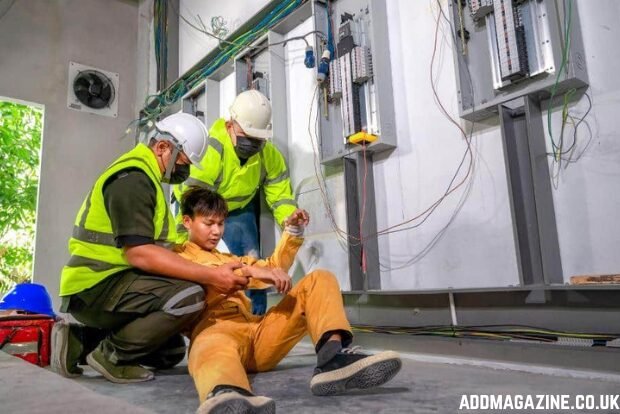
Electricians frequently operate in several situations, from private residences to hectic business locations. Regarding construction sites, though, the atmosphere is much more dangerous.
The risk of damage or accidents rises when many contractors work in the same space, heavy equipment runs all around, and new buildings are being built from the bottom up. As a result, electricians working on construction projects usually need greater insurance coverage than what is necessary for regular electrical work.
This article discusses why building site work requires different insurance and what coverage is often expected or needed. At QuoteRadar, you can get the right insurance by comparing policies from different providers.
Why do Electricians Find Construction Sites Riskier?
No day is the same at a construction site. Electricians could work near other trades like roofers, plumbers, and bricklayers, around scaffolding, or in half-finished buildings.
Unstable surfaces, wet floors, moving cars, or open wiring could also be an issue. These circumstances considerably increase the chances of:
- Unintentional injury to yourself or others
- Damage to someone else’s work or tools
- Damage or theft of your tools
- Being held legally accountable for events
Because of these growing dangers, your typical insurance policy might not be sufficient; in many situations, it will fall short of the standards established by the site administrator or builder.
Visit https://www.quoteradar.co.uk/ for more information to help you navigate the complex insurance industry.
Coverages for Working on Site:
1. Public Liability Insurance with Higher Limits:
Every electrician needs public liability insurance. It shields you if a third party is hurt or property is harmed due to your work. Usually, much more coverage is required on construction sites than on average.
Most construction companies demand £2 million to £5 million before letting you on-site, while a domestic electrician might get by with £1 million of cover.
For instance, this insurance would cover the claim’s price if someone trips over your cables or you inadvertently start an electrical fire while installing it.
2. Employer’s Liability Insurance:
You must have employer’s liability insurance if you have even one trainee, assistant, or laborer under your supervision. This safeguards you should workers get sick or hurt because of their job. Before your crew is permitted on site, many building businesses want evidence of this coverage.
3. Equipment Cover:
Your work depends on your tools, which are especially theft-prone on construction sites. Equipment and tools insurance guards your tools against theft or damage, whether they are kept in a locked van, storage unit, or on the floor. Check your policy to see whether it covers tools kept overnight, as not all policies do.
4. Contract Work Insurance:
This coverage, sometimes known as “Contractor’s All Risks,” safeguards ongoing projects. Before the project is turned over, contract works insurance can cover the expense of repairing or replacing damaged work caused by fire, flood, or vandalism.
5. Personal Accident Insurance:
Personal accident insurance replaces lost income if you are injured on-site and unable to work. This is quite critical for self-employed electricians without sick leave pay. It can compensate a lump sum for major injuries or a weekly sum while you heal.
6. Professional Indemnity Insurance:
Some sites will demand professional indemnity insurance if your job involves designing electrical systems or offering safety standards. It covers legal fees and compensation if someone alleges financial loss caused by your design or counsel.
Before You Begin, Inspect Site Agreements:
Ask the contractor or developer what insurance paperwork they need before starting any work on a construction site. While others might want a complete UK insurance pack, including employer’s liability, contract works, and indemnity coverage, some may ask for public liability.
Final Thoughts:
Though it’s also hazardous, especially on building sites, electricians’ work is appreciated. Without adequate insurance, you might be accountable for injuries, tool theft, or expensive project delays.
More significantly, some sites will not let you work without verification of specific insurance. Always confirm that your cover matches the job.
If necessary, consult a competent insurance broker knowledgeable of the construction sector and renew your policy. It is better to be covered and safe than to face legal or financial problems later.