Babybelletje is an unusual word that can leave many readers wondering about its exact meaning. The term is mainly linked with small Babybel cheese portions and appears to follow a Dutch style of describing something in a smaller or more familiar form. People may come across the word in online content, casual conversations, product discussions, or search results and want to understand what it actually represents.
Rather than describing a completely different food, babybelletje is generally associated with the familiar small cheese snack sold in individual portions. Its growing appearance as a search term also shows how product names can be changed informally when they become part of everyday language.
What Does Babybelletje Mean?
The simplest explanation of babybelletje is that it refers to a small Babybel cheese. The wording has a Dutch influence, where endings are often added to nouns to indicate something small. Because Babybel already comes in compact portions, the informal expression naturally matches the physical appearance of the product.
In most contexts, the word is simply another way of referring to the miniature cheese rounds that consumers already recognize.
Why Has the Word Babybelletje Attracted Attention?
Someone may see it on a website or social media platform and assume that it refers to an unfamiliar product, recipe, or food trend.
The spelling itself also creates curiosity. Search users often look up uncommon words to check their meaning and origin. In this case, the answer is relatively straightforward: the term is closely connected with a small portion of Babybel cheese rather than an entirely separate food concept.
The Product Connected With the Name
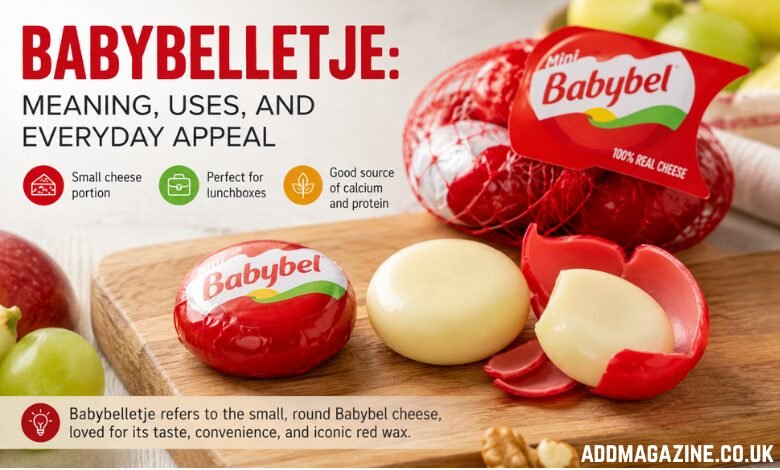
The cheese associated with babybelletje is known for its compact round format. Each portion is packaged separately, allowing consumers to open only the amount they want to eat. This differs from buying a large block of cheese that must be sliced and stored again after opening.
It can be included in packed meals, served as a quick snack, or combined with other basic foods without requiring much preparation.
Why the Wax Covering Is So Recognizable
The wax shell surrounding the cheese is probably its most memorable physical feature. Consumers remove the external wrapping before opening the wax and taking out the cheese. The process is simple, but it creates an experience that is different from opening an ordinary packet of sliced cheese.
The wax also gives each portion a clear visual identity. Even people who do not regularly eat the product may recognize the small round shape and distinctive packaging method. This shows how practical packaging can eventually become closely connected with the public identity of a food product.
What Is the Cheese Like?
Babybelletje is generally connected with cheese that has a mild and accessible taste. It does not have the intense flavor commonly found in some mature or strongly aged cheeses. This makes it suitable for consumers who prefer simpler dairy flavors.
Its texture also contributes to its use as a snack. The cheese can be eaten directly after opening without cutting, spreading, or cooking. Consumers can also pair it with other everyday foods when they want something more substantial.
Why Portion Size Matters
The small serving format is an important part of the product’s appeal. Preparing cheese from a larger block takes additional time and may not always be practical when packing food quickly.
This does not mean that portioned packaging automatically determines the right amount of food for every person. Dietary needs vary.
Babybelletje as a Lunchbox Food
Small cheese portions are commonly associated with lunchboxes because they are easy to pack alongside other foods. A piece can be added to a meal containing bread, vegetables, fruit, or other snacks without requiring additional preparation.
This convenience can benefit both children and adults. Parents may use individual cheese portions when preparing school meals, while workers and students can carry them as part of a packed lunch. The usefulness of the format is therefore not restricted to one age group.
Can Adults Eat Babybelletje as a Snack?
Adults may also prefer small cheese portions because they are convenient and require no preparation.
A person can combine the cheese with crackers, fruit, vegetables, or bread to create a simple snack. This flexibility has helped individual cheese portions remain relevant beyond school lunchboxes.
Nutritional Considerations
As a cheese product, babybelletje can provide nutrients commonly found in dairy foods.
Consumers who are interested in calories, protein, fat, sodium, or other nutritional details should read the information printed on the package. Labels provide more reliable guidance than assuming that every version of a product has exactly the same nutritional profile.
Different Ways to Serve Babybelletje
The most common way to eat babybelletje is directly from the package. This remains one of the main reasons people choose individually wrapped cheese portions.
However, the cheese can also become part of a simple meal. It may be served with crackers, placed alongside sliced fruit, combined with raw vegetables, or added to a snack plate. People who enjoy experimenting with food may also use small cheese portions in basic warm dishes.
Why Convenience Supports Its Popularity
Food choices are often influenced by the amount of preparation they require. Products that are easy to carry, open, and eat can fit more easily into school, work, and travel routines.
Babybelletje matches these requirements because each portion is already separated from the rest of the package. Consumers can take the amount they need while leaving the remaining pieces unopened. This simple advantage can make the product useful for households where people eat at different times or need food outside the home.
Storage Is Still Important
The wax surrounding the cheese may create the impression that the product can be kept anywhere for long periods. However, consumers should always follow the storage instructions shown on the packaging.
Storage recommendations can vary according to the exact product and location where it is sold. Checking the label is the safest way to understand how the cheese should be stored before consumption.
Is Babybelletje a Separate Cheese Variety?
The term itself does not normally identify an independent cheese-making style in the same way as names used for established cheese varieties.
Instead, it is better understood as an informal expression associated with a small Babybel portion. This distinction is useful for readers who discover the term online and expect to find an entirely different type of cheese.
How Language Changes Familiar Product Names
The appearance of the word babybelletje provides a useful example of how people adapt names in everyday speech. When a commercial product becomes familiar, consumers may shorten its name, change its pronunciation, or add local language endings.
These informal variations are not always created by the company behind the product. They can develop naturally through conversations and online communication. Over time, some variations become searchable terms because enough people encounter or use them.
Why People Continue Searching for Babybelletje
Search interest can come from several sources. Some people simply want a definition, while others may be checking whether babybelletje is a brand, cheese variety, recipe, or foreign word.
Providing a clear explanation helps remove this confusion. In most situations, the term points back to the familiar small cheese portion rather than a complicated or unknown subject. Its unusual wording is the main reason it attracts attention.
The Practical Appeal of Small Cheese Portions
The continued popularity of individually packaged cheese shows that convenience can play a major role in everyday food choices. Consumers do not always want to prepare a full meal when they need something quick to eat.
A small cheese portion offers a straightforward option. It can be packed, served, and eaten with little effort. While there are many types of cheese available, the individual format provides a practical advantage for people who prioritize simple food preparation.
Conclusion
Babybelletje is mainly an informal term associated with a small Babybel cheese portion. Its unusual spelling and Dutch-style formation are key reasons people search for information about its meaning.
The product connected with the term is valued primarily for practical reasons. Its compact size, individual packaging, simple taste, and ease of use make it suitable for lunchboxes, snacks, work breaks, and other everyday situations. Rather than representing a new type of food, babybelletje shows how a familiar product name can develop an informal variation and become a subject of online curiosity.