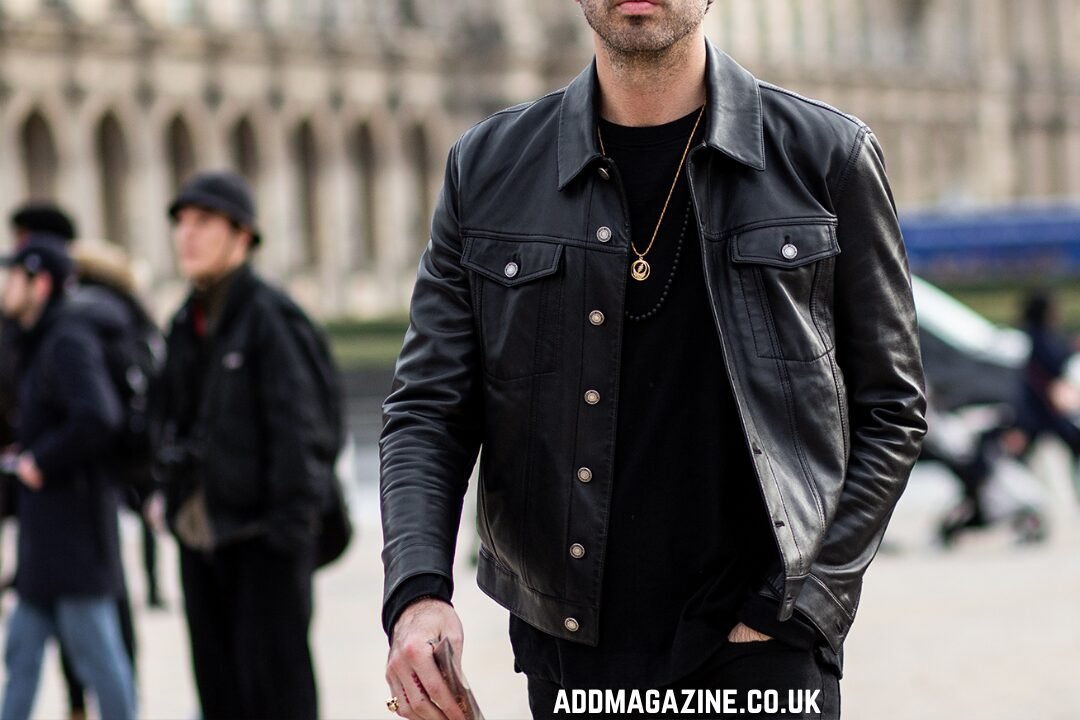
Some cities are built around cars, where clothing rarely has to survive more than a walk from a parking garage to a front door. Others are built around walking itself, where a single commute might involve cobblestone sidewalks, sudden inclines, a rush through a crowded station, and long stretches on foot between one appointment and the next. In a walkable city, formalwear stops being purely decorative and starts being something closer to functional gear.
Distance Changes the Standard
When formal clothing only needs to survive a short trip between a car and a building, comfort becomes a secondary concern. When it needs to survive a genuine walk across a city, comfort becomes central to the decision. A jacket that restricts the arms becomes noticeable within a few blocks. Trousers with restrictive tailoring create friction that grows uncomfortable well before a destination is reached. Cities built for walking quietly demand more from their clothing than cities built for driving.
This is part of why Boston suits tend to prioritise a particular kind of ease in movement, a jacket that swings naturally with the stride, a lining that does not cling with each step, a cut that holds its shape without holding the body too tightly. None of this shows up in a still photograph, yet all of it becomes obvious the moment someone actually has to walk somewhere in what they are wearing.
The Rhythm of the Commute Shapes the Fit
A walk through a dense, historic city rarely happens at a single, even pace. There are stretches of open sidewalk, sudden crowds near a station entrance, brief dashes across an intersection before a signal changes. Formalwear tested against this kind of rhythm needs range, ease during a relaxed stretch and enough structure to hold together during a brief, faster movement. Clothing designed only for stillness struggles to keep up with a day defined by this kind of variable motion.
Choosing Clothing for the City You Actually Move Through
None of this means abandoning structure or polish. It means choosing formalwear with an honest understanding of how it will actually be used. A jacket that only performs well while standing still in an office is a jacket poorly matched to a life spent moving between meetings, transit stops and appointments scattered across a walkable city.
The next time formal clothing is being chosen, it is worth considering not just how it will look standing still, but how it will feel three-quarters of the way through an actual walk across town. A jacket that holds its comfort and shape under real movement earns its place in a wardrobe far more reliably than one chosen purely for how it appears in a fitting room mirror, where no real distance is ever actually covered.
This is a small shift in thinking that pays off well beyond any single city. Once clothing is evaluated by how it performs in motion rather than in stillness, the whole standard for what counts as well-tailored quietly changes for the better.