I run a small YouTube channel focused on tech gadgets and creative tips. For years, producing short-form videos meant constant headaches. I needed clean, professional-looking thumbnails, product shots, and background visuals that matched my on-camera style. Hiring photographers was expensive and slow. Stock images felt generic. My early videos suffered because the visuals didn’t pop.
Then AI realistic photo generators entered the scene. They let creators like me produce high-quality, lifelike images without a studio or expensive gear. One tool that stands out in my workflow is PhotoGenerator.ai. It’s helped me cut production time dramatically while keeping my content looking sharp and authentic.
The Old Way: Slow, Costly, and Limiting
Back in 2023 and early 2024, short-form video creators faced real constraints. A good thumbnail could make or break a video’s performance. Yet creating one often meant setting up lights, booking models, or settling for whatever was available online.
I remember spending an entire afternoon shooting simple product photos for a review video. The lighting was off. The angles felt flat. By the time I edited everything, I was exhausted—and the results were just okay. Many fellow creators I know shared the same story. Short videos demand speed, but realistic visuals required time and money.
The shift started accelerating as AI tools improved. What used to take hours now happens in minutes. This evolution has been particularly powerful for independent creators who wear all the hats: filming, editing, and marketing.
The Turning Point: Realistic AI Photos Enter the Workflow
By the middle of 2025, I started exploring and testing a range of AI Photo Generator tools. The goal was simple—generate images that looked like they were shot with a professional camera. No weird artifacts. Natural skin tones. Believable lighting and depth.
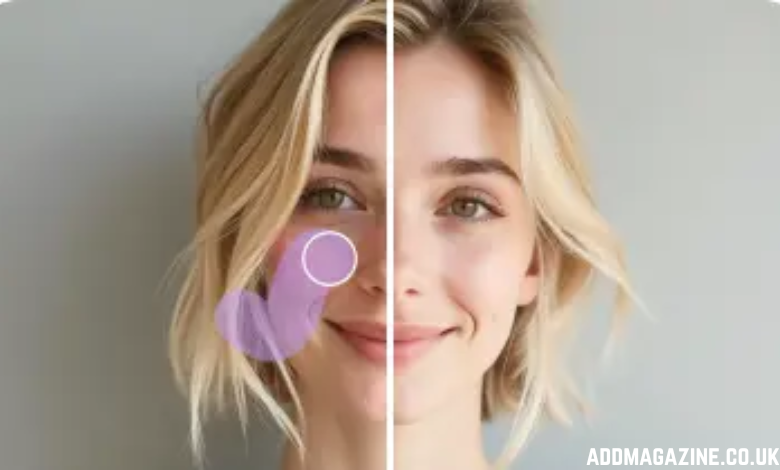
PhotoGenerator.ai quickly became my favorite for realistic needs. You describe what you want or upload a base image, choose from models like GPT Image 2 or Seedream 5.0, and get results that feel photographed rather than generated. It delivers convincing results by adding natural-looking shadows, lifelike surface details, and well-balanced object dimensions.
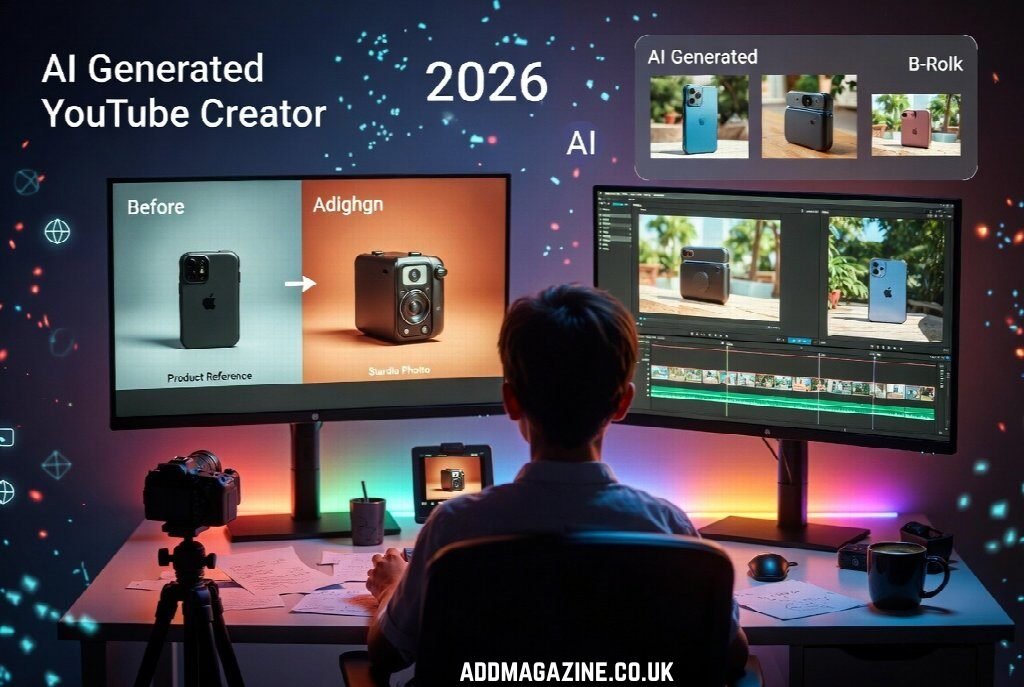
For one series on budget tech accessories, I needed consistent product photography. Instead of reshooting every item, I uploaded reference shots and refined them with prompts like “professional studio lighting, clean white background, high detail, realistic product photo.” The outputs looked studio-grade. I could generate variations in different angles within seconds.
Building a Faster Content Pipeline
Today, my workflow looks completely different. A typical short-form video workflow can become faster and more flexible when an AI Photo Generator is incorporated into the creative process.
Morning creative session: I develop fresh video ideas and turn the strongest concepts into visual drafts. Need a hero image of someone using a gadget in a natural setting? A few prompts deliver options I can pick from.
Thumbnail creation: This is where realism matters most. Platforms reward eye-catching, authentic-looking thumbnails. With PhotoGenerator, I create custom scenes— a person holding the product with perfect hand positioning and natural expressions—that match my branding. No more mismatched stock photos.
Background and B-roll support: For talking-head videos, I generate complementary images or scene extensions. One prompt can turn a plain wall into a contextual environment, like a modern workspace or outdoor tech setup.
The editing step benefits too. Since the generated photos are high-resolution and clean, they drop straight into my editing software with minimal adjustments. This saves hours every week.
Real Results from a Creator’s Perspective
The impact shows in my channel metrics. Videos with stronger, more consistent visuals perform better. Click-through rates improved because thumbnails look professional and on-topic. More importantly, I can publish more frequently without burning out.
A fellow short-video creator I collaborate with uses similar tools for fashion and lifestyle content. She generates model-like photos for outfit ideas without actual photoshoots. The realism helps her content feel premium even on a small budget.
This isn’t just about convenience. It’s about access. Creators no longer need big sponsorships or teams to compete visually. The technology levels the playing field.
Data Behind the Shift
The numbers support what many of us are experiencing. Recent reports show that a high percentage of video creators now regularly use AI tools for visuals and editing. Adoption has grown fast, especially among those producing short-form content for platforms like YouTube Shorts, TikTok, and Instagram Reels. This aligns with broader trends where generative AI helps creators scale output while maintaining quality.
For realistic photo needs specifically, tools that prioritize photorealism and easy editing see strong repeat usage. They solve the exact pain points of speed and authenticity that short-form demands.
Tips for Getting the Most Out of Realistic AI Tools
Short-form creators interested in using AI-generated realistic images should begin with a straightforward approach and build from there. Focus on specific tasks first—thumbnails or product shots—rather than trying to replace everything at once.
Be detailed in prompts. Mention lighting conditions, camera angles, and mood. Tools like PhotoGenerator.ai respond well to instructions such as “natural daylight, slight bokeh background, sharp focus on main subject.”
Always review outputs for your brand voice. The best results come from treating AI as a skilled assistant, not a full replacement. Combine generated images with your own footage for the most authentic feel.
Experiment across models when available. Some excel at portraits, others at product realism. Finding the right match for your niche makes a big difference.
Why This Matters for Independent Creators
The rise of realistic AI photo tools represents more than a tech upgrade. It’s a fundamental change in how we create. Short-form video moves incredibly fast. Tools that keep up with that pace while delivering quality give creators a real edge.
I no longer feel limited by resources. Ideas turn into visuals quickly, letting me focus on storytelling and audience connection—the parts I actually enjoy. For anyone creating content in 2026, embracing these capabilities isn’t optional. It’s becoming essential for staying competitive.
My channel has grown steadily since integrating these tools. The content looks better, posts go out more consistently, and I have time to experiment with new formats. If you’re still relying on old methods for visuals, try adding a capable AI photo generator to your routine. The difference in both output and energy levels is noticeable.
The future of short-form creation belongs to those who blend personal vision with smart technology. Realistic AI photos are one of the most practical ways to make that happen right now.