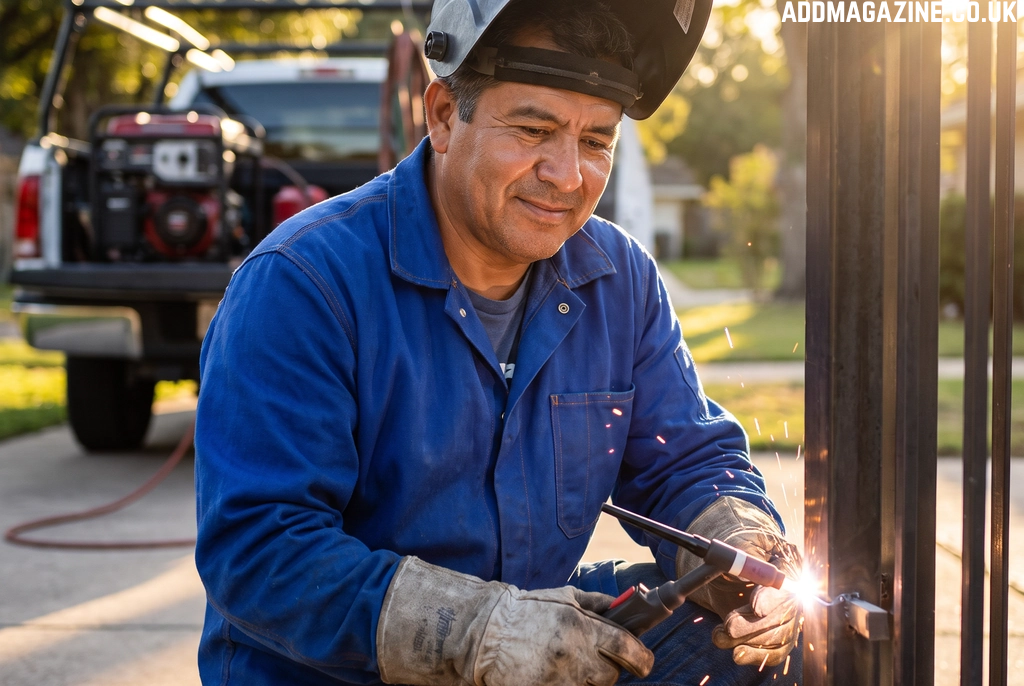
When a piece of equipment fails in the field, on a job site, or inside a facility that cannot afford extended downtime, the ability to bring qualified welding to the problem rather than moving the problem to a shop becomes a genuine operational priority. Mobile welding is not a convenience service for most buyers — it is a contingency that directly affects production schedules, safety timelines, and the cost of unplanned delays. Yet choosing a mobile weld provider without a structured evaluation process often results in inconsistent quality, unclear accountability, and work that needs to be redone under worse conditions than the original repair.
This checklist exists to help procurement leads, facilities managers, fleet operators, and site supervisors identify what actually matters when selecting a mobile weld provider — before a crisis makes the decision for them.
Understanding What Mobile Welding Actually Involves in the Field
Mobile welding refers to the delivery of certified welding services to a location where the work needs to happen rather than where a shop is positioned to do it. This includes job sites, ranches, industrial facilities, highway breakdowns, agricultural operations, and any scenario where transporting the asset for repair is impractical or impossible. A provider offering mobile-weld services is not simply a welder with a truck — they are a field operation that must carry the right equipment, certifications, consumables, and judgment to perform structural or functional welds in conditions that are rarely ideal.
When evaluating a provider, buyers should understand that the field context changes what qualifications matter. The welder who performs excellent shop work in a controlled environment may not be equipped for the variability of outdoor structural repair, wind exposure, confined access, or working adjacent to live equipment. Buyers who treat mobile-weld services as interchangeable with standard shop welding often discover this distinction after a failed inspection or a repair that does not hold.
For a practical sense of what legitimate mobile-weld operations look like in the field — including the types of materials, equipment, and service conditions that providers should be prepared for — reviewing a documented service offering can help buyers frame the right questions before signing a contract.
Why Location Variability Changes the Quality Equation
Shop welding benefits from fixed infrastructure: stable power supply, controlled temperature, proper ventilation, and the ability to position material correctly. None of these conditions are guaranteed in the field. A mobile weld provider operating on a remote agricultural site may be working in full sun, on uneven terrain, with access limited to one side of the repair. Wind can affect shielding gas coverage. Ground connections may be inconsistent. Material may be contaminated with rust, paint, or grease that cannot be fully cleaned without proper equipment on hand.
Providers who account for these variables in their process — through proper surface preparation tools, generator sizing, and adaptive technique — deliver more consistent outcomes than those who apply a shop mindset to field conditions. Buyers should ask how a provider handles adverse conditions, not whether they have encountered them.
Certifications and Qualifications That Actually Transfer to Field Work
Welding certifications vary significantly in what they test, what standards they apply, and whether they reflect field-relevant competency. The American Welding Society outlines welder qualification standards that distinguish between process types, material thickness, and positional capability. A certified welder who is qualified for flat-position shop welding on carbon steel is not automatically qualified to perform overhead structural repair on alloy components in the field. These distinctions matter when the repair will be subject to load, vibration, or regulatory inspection.
Buyers should ask providers to specify which certifications their welders hold and what those certifications cover. Vague claims about “certified welders” without documentation of the certification body, process, and position qualifications should be treated as a gap in the provider’s accountability structure.
Insurance, Liability, and Work Documentation
A mobile weld provider operating on your property, around your equipment, or near your personnel carries liability exposure that should be covered by their own insurance — not transferred to the buyer through informal arrangements. General liability insurance, workers’ compensation, and in some cases professional liability coverage should be verifiable before work begins. Asking for a certificate of insurance is standard practice and any legitimate provider will produce one without hesitation.
Work documentation is equally important. A provider who does not record what was repaired, what process was used, what materials were added, and what inspection was performed leaves the buyer without traceability. If a repair fails, or if the asset is later sold, inspected, or put under regulatory review, that documentation gap becomes a real operational and legal problem.
Equipment Readiness and Self-Sufficiency in the Field
A mobile weld provider’s capability is partly defined by what they can do without relying on the buyer’s infrastructure. This includes power generation, gas supply, surface preparation tools, lifting equipment for repositioning material, and lighting for low-visibility conditions. A provider who shows up expecting to plug into your facility’s power supply or borrow your grinder has not built a truly self-sufficient field operation.
Self-sufficiency matters most in remote or emergency situations where delays caused by missing equipment translate directly into extended downtime. Before committing to a provider, it is worth walking through a specific scenario — your most demanding repair situation — and asking what equipment they would bring, what they would need from you, and what their process would be if conditions changed mid-job.
Response Time and Geographic Coverage
Mobile welding is often time-sensitive. A broken trailer hitch, a cracked frame on a piece of heavy equipment, or a failed structural weld on a production line does not wait for a convenient scheduling window. Providers who have clear service territories, defined response time expectations, and a dispatch process that reflects urgency are meaningfully different from those who operate on a best-effort basis with no stated commitment.
Geographic coverage should also be realistic. A provider who lists a broad service area but operates from a single location may not be able to reach your site within a timeframe that limits downtime. Understanding where a provider is actually based, how many field units they deploy, and how they prioritize competing service calls gives buyers a more honest picture of what to expect when they need someone quickly.
Material Compatibility and Process Range
Not every mobile welding job involves standard carbon steel. Fleet operators, agricultural businesses, and industrial facilities regularly work with materials that require specific processes, pre-heat requirements, or post-weld treatment. Aluminum, stainless steel, high-strength alloy components, and cast iron each behave differently under heat and require different filler materials, shielding gas mixtures, and technique adjustments.
A provider whose field capability is limited to basic MIG welding on mild steel may not be the right choice for a facility that operates equipment made from mixed or specialty materials. Asking about material experience and what processes a provider is equipped to deploy — TIG, MIG, stick, flux-core — helps buyers understand whether a provider can actually handle the scope of their repairs or only a portion of it.
How Providers Handle Unfamiliar Material or Scope
A reliable provider will be honest when a repair is outside their qualified scope. A provider who agrees to any job regardless of material, position, or structural complexity is not demonstrating confidence — they are demonstrating a lack of judgment that will eventually produce a failed repair. When a provider declines a job or recommends an alternative approach, that response should be read as a sign of professional integrity rather than a limitation.
Buyers who have experienced a mobile weld provider overpromising and underdelivering understand the downstream cost: re-mobilization, secondary repair, and in some cases damage to adjacent components from a poor original weld. Asking a provider about situations where they referred work out or declined a job is a legitimate and useful qualification question.
Pricing Structure and Scope Transparency
Mobile welding pricing should reflect travel, setup, labor, materials, and any environmental or access surcharges clearly. Providers who quote a flat rate without accounting for travel distance, material cost, or job complexity often adjust the invoice once the work is done — leaving buyers without accurate cost data for budgeting or project approval. A provider who can explain how they price a job, what variables affect the final cost, and when they would call for a scope change before proceeding is a provider who respects the buyer’s planning process.
Written quotes, even for emergency work, should be the standard rather than the exception. They protect both parties and create a shared reference point if questions arise after the job is completed.
Conclusion: Building a Short List Before You Need It
The buyers who are best positioned when a mobile welding need arises are those who have already evaluated their options before the situation becomes urgent. Working through this checklist under non-emergency conditions — verifying certifications, reviewing insurance documentation, asking about equipment capability and response time, and understanding how a provider prices their work — allows buyers to make a clear-headed decision rather than a reactive one.
Reliable mobile weld providers are not hard to identify. They document their work, carry proper credentials, communicate honestly about scope, and operate as self-sufficient field units. What separates them from less reliable alternatives is often visible long before a repair is needed — in how they answer questions, how they structure a quote, and how they describe their own limitations. Building a short list of qualified providers now is one of the more practical steps any facility, fleet operator, or construction firm can take to reduce the cost and disruption of unplanned equipment repairs.