
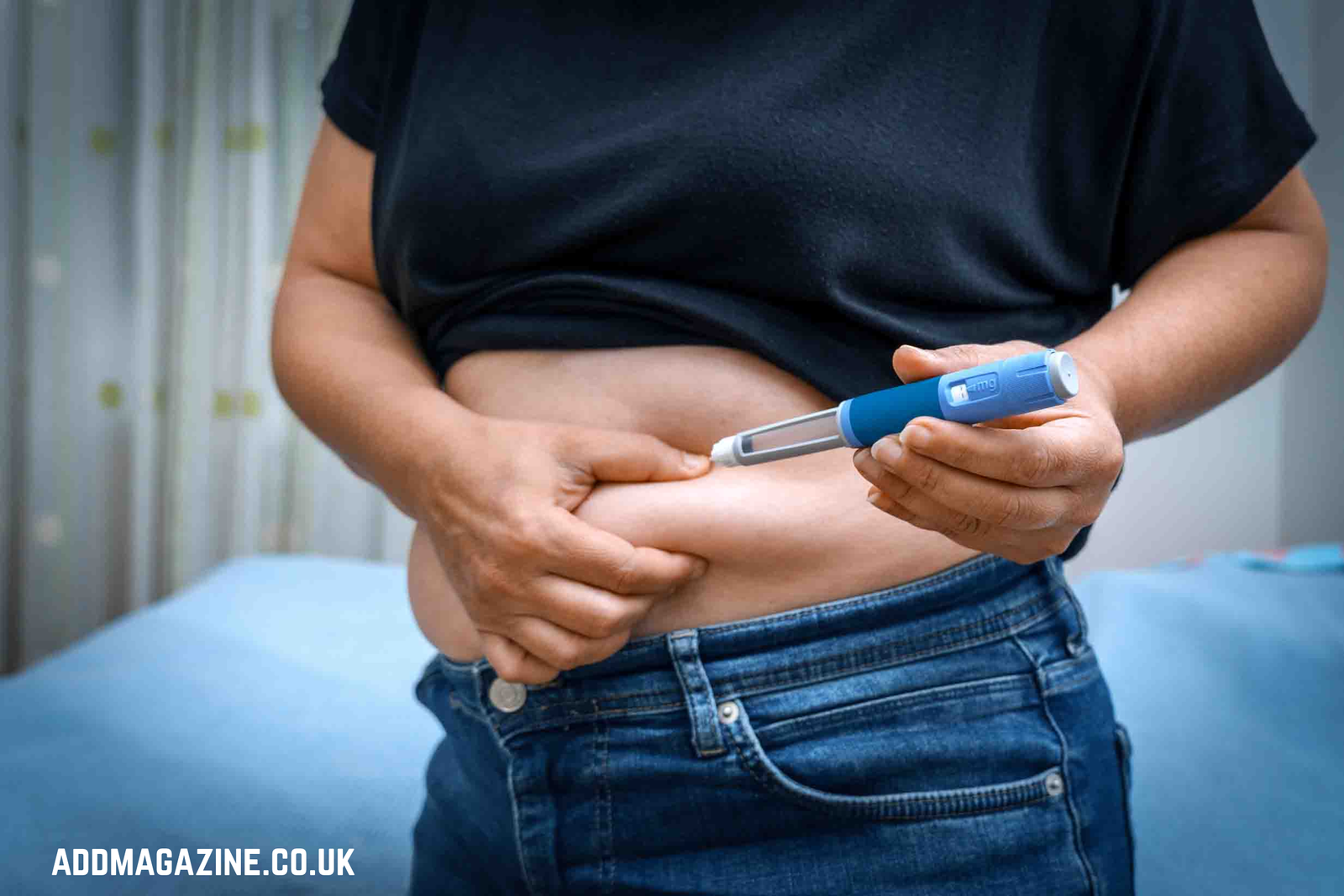
The short version. Surgery still produces more weight loss than medication, but the gap depends heavily on whether you are reading trial data or real-world data, and on whether patients stay on treatment at all.
- A real-world analysis of more than 430,000 patients found 28.3% total weight loss two years after metabolic and bariatric surgery, versus 10.3% for patients prescribed a GLP-1 receptor agonist.
- 96% of surgical patients in that analysis sustained at least 10% weight loss; 46% of GLP-1 patients did.
- In controlled trials the distance narrows: semaglutide averages roughly 15% total body weight loss and tirzepatide roughly 20.9%, while the investigational agent retatrutide reached up to 30.3% at two years.
- 52% of adults prescribed semaglutide for weight loss discontinued within one year in a large Danish cohort, with 18% stopping by three months.
- 12% of US adults say they currently take a GLP-1, and 56% of users say the medication is difficult to afford.
Two treatments that are no longer competing for the same patient
For most of the last two decades, the comparison between bariatric surgery and drug therapy for obesity was lopsided enough that it barely qualified as a comparison. Surgery worked; drugs moved the number a few percent. That is no longer the honest framing, and the 2026 literature is where the argument has become genuinely interesting.
The first noticeable shift was in how widely medications were being used. A KFF health tracking poll of 1,350 US adults, conducted 27 October to 2 November 2025, found 12% of adults currently taking a GLP-1 for weight loss, diabetes or another condition, and 18% having taken one at some point. Use peaks among adults aged 50 to 64 at 22%. Among adults with a diabetes diagnosis, 45% report current use. That is a population-level intervention, not a niche one, and it has arrived in roughly five years.
The second change is delivery. The GLP-1 telehealth platforms market is projected at $763.8 million in 2026, growing to $3.28 billion by 2036 on a 15.7% compound annual rate. Physician-led virtual clinics hold the largest share of that market at 51.2%, and prescribing and titration is the dominant service scope at 46.0%. Cash-pay subscriptions account for a projected 31.8% of the market in 2026, which tells you something about how patients are routing around insurance friction.
What the head-to-head data says
The most widely cited 2026 comparison analysed over 430,000 patients and reported average total weight loss of 28.3% at two years for metabolic and bariatric surgery against 10.3% for GLP-1 receptor agonists. In absolute terms, another real-world comparison found surgical patients losing an average of 58 pounds over two years while patients prescribed a GLP-1 for at least six months lost about 12 pounds.
Durability followed the same pattern. 96% of surgical patients maintained at least 10% weight loss, compared with 46% of those on medication. The American Society for Metabolic and Bariatric Surgery, which publicised the findings, also points to higher rates of obesity-related disease remission after surgery.
The takeaway from those numbers: in routine practice, surgery currently outperforms medication by roughly a factor of two to three on weight lost and roughly double on the proportion of patients who keep it off.
Why the trial numbers look so different
Clinical trials tell a more favourable story for medication. Semaglutide at obesity doses averages about 15% total body weight loss and tirzepatide about 20.9%. Eli Lilly’s retatrutide produced up to 30.3% at two years, which lands inside the surgical range.
The difference between 20.9% in a trial and 10.3% in a claims database is not a contradiction. Trials supply the medication free, escalate the dose on a protocol, and surround the patient with scheduled contact. Real-world cohorts capture people who paid out of pocket, hit a formulary wall, stopped during a titration week that went badly, or simply never reached a therapeutic dose. The drug did not underperform; the care around the drug did.
The adherence problem is the actual variable
Discontinuation is where most of the real-world gap lives. In a large Danish study, 52% of adults discontinued semaglutide for weight loss within one year, with 18% stopping at three months, 31% at six months and 42% at nine. US data splits by diabetes status: 46.5% of patients with type 2 diabetes and 64.8% of those without discontinued inside twelve months.
The documented drivers are affordability, adverse events and the amount of weight lost. Patients with a history of gastrointestinal medication use were 9% more likely to stop in the first year, consistent with nausea and vomiting being the practical ceiling on how fast a dose can rise.
Surgery has a structural advantage here that has nothing to do with biology. It happens once. A medication programme has to survive 52 weeks of refills, prior authorisations, side-effect management and price shocks. Every one of those is a point of failure that a surgical pathway does not have.
Cost is no longer a one-sided argument
List prices for the branded injectables remain high: $1,349 for Wegovy, $1,087 for Zepbound and $1,028 for Ozempic. What changed in 2026 is the cash-pay channel. TrumpRx.gov, launched by the administration to direct patients to manufacturer discount sites, lists Zepbound vials from $299 a month and Wegovy pens at $199 for the first two monthly fills before moving to $349. An oral Wegovy option is listed at $149.
At $299 to $349 a month, two years of continuous therapy runs roughly $7,000 to $8,400 before clinical fees. That is now inside the same order of magnitude as a self-pay surgical episode, which reframes the decision as one about durability and patient preference rather than one about access to capital.
How this works in practice
The operational consequence of the adherence data is that the clinical wrapper around a GLP-1 prescription is doing more work than the prescription itself. Programmes built to keep a patient in treatment through month nine are solving the variable that actually separated 20.9% from 10.3%.
That is the model TrimRx runs: an online weight loss programme with GLP-1 medication, delivered through telehealth rather than episodic office visits, so dose escalation, side-effect management and continuity of supply sit inside one monitored pathway instead of being left to the patient to coordinate between a prescriber, a pharmacy and an insurer. It is the same category the telehealth market data describes – physician-led virtual care, with titration as the core service, on a cash-pay subscription that removes the formulary step from the critical path.
What comes next
Three developments will decide whether the gap closes further.
The first major development involves a new generation of molecular compounds. If retatrutide’s 30.3% holds through regulatory review, the efficacy argument for surgery narrows to durability and disease remission rather than magnitude.
The second is sequencing. Research presented through ASMBS indicates that bariatric surgery performed after GLP-1 treatment significantly increases total weight loss, which points toward combined pathways rather than a binary choice.
The third is body composition. Lean mass typically accounts for 20% to 30% of weight lost on incretin therapy, and DXA substudies have reported figures from roughly 25% for tirzepatide to roughly 45% for semaglutide. A 2025 joint advisory from four professional societies recommended 1.2 to 1.6 grams of protein per kilogram of body weight per day during active weight loss, paired with resistance training. Programmes that measure composition rather than scale weight will produce a different quality of result from those that do not, and the evidence base is moving quickly enough that “how much did you lose” is becoming the less useful question.
Frequently asked questions
Is bariatric surgery more effective than GLP-1 medication?
Real-world clinical evidence indicates that bariatric surgery leads to greater reductions in body weight. A 2026 analysis of more than 430,000 patients found 28.3% total weight loss at two years after surgery versus 10.3% for GLP-1 receptor agonists, and 96% of surgical patients sustained at least 10% loss versus 46% on medication. In controlled trials, where dosing and follow-up are protocolised, tirzepatide averages about 20.9%.
Why do people lose less weight on GLP-1s in practice than in trials?
Discontinuation is the main reason. 52% of adults in a large Danish cohort stopped semaglutide within a year, with 18% stopping by three months, so many patients never reach or maintain a therapeutic dose. Affordability, gastrointestinal side effects during dose escalation and insurance friction are the documented drivers.
How much does GLP-1 treatment cost without insurance in 2026?
Cash-pay prices have fallen well below list. Manufacturer discount channels listed through TrumpRx.gov show Zepbound vials from $299 a month and Wegovy pens at $199 for the first two fills then $349, against list prices of $1,087 and $1,349 respectively.
Can someone have bariatric surgery after taking a GLP-1?
Yes, and research presented through the American Society for Metabolic and Bariatric Surgery found that surgery after GLP-1 treatment significantly boosts total weight loss. Sequencing decisions belong with a treating clinician, since preoperative medication management and fasting guidance differ for patients on incretin therapy.
Conclusion
The useful comparison in 2026 is not surgery against medication. It is treatment that a patient stays on against treatment they abandon. Surgery wins the real-world numbers largely because it is a single event with built-in follow-up, while a prescription has to survive a year of cost, titration and administrative friction before it can show what it is capable of. The trial data makes clear what these molecules do when that friction is removed. Closing the distance between the two figures is a care-delivery problem, and it is being solved faster than new molecules are being approved.