Modern beekeeping demands more than basic protection. As hive management techniques evolve and apiary operations scale, beekeepers increasingly rely on advanced beekeeping protective clothing that delivers safety, comfort, and long-term performance. A beekeeping suit is no longer just a precautionary layer—it is a critical working tool that directly affects productivity and confidence in the field.
With so many bee suits available online, understanding what separates a professional-grade beekeeping suit from a basic option has become essential. The right decision is based not on appearance, but on design principles, airflow engineering, and real-world usability.
Why Fabric Thickness Alone Is Misleading
One of the most common misconceptions among buyers is that thicker fabric automatically equals better sting protection. In reality, protection depends on how the suit behaves during movement.
Effective beekeeping suits are designed to:
- Maintain distance between the fabric and the skin
- Avoid compression at joints and pressure points
- Preserve shape while bending, lifting, and reaching
When fabric presses against the body, even heavy material can allow stings through. This is why many experienced beekeepers prefer lightweight but structured suits over rigid, heavy garments.
The Role of Ventilation in Beekeeper Safety
Heat management is a major concern, especially for those working in warmer regions of the United States. Long inspections inside non-breathable suits can cause overheating, dehydration, and fatigue—all of which increase sting risk.
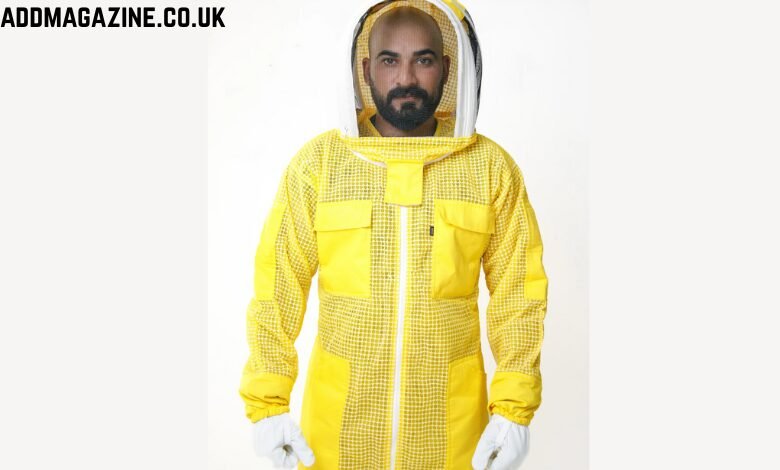
Ventilated bee suits address this problem by combining airflow with spacing. Instead of trapping heat, these suits use layered mesh systems that allow continuous air circulation while preventing stingers from reaching the skin.
Key benefits of ventilated beekeeping suits include:
- Reduced heat buildup during summer inspections
- Improved focus and endurance
- Greater comfort for extended hive work
This is why searches for terms like ventilated bee suit, breathable beekeeping suit, and mesh bee suit continue to grow among professional and sideline beekeepers.
Veil Construction: Where Most Suits Succeed or Fail
Facial stings are not only painful but can also impair vision and breathing in extreme cases. A reliable veil must do more than simply cover the face.
High-quality veils are engineered to:
- Stay rigid and away from the face at all times
- Offer clear, distortion-free visibility
- Attach securely to the suit without gaps
Fencing-style and round veils are particularly popular because they maintain consistent spacing even during long inspections. A collapsing veil, regardless of fabric quality elsewhere, compromises the entire suit.
Sealing the Weak Points: Zippers, Cuffs, and Ankles
Bees rarely sting through the main fabric panels. Instead, they exploit entry points—areas where the suit opens or moves.
Professional beekeeping suits address this risk through:
- Elasticated wrists and ankles that move with the body
- Heavy-duty zippers designed for repeated use
- Overlapping zipper flaps that block direct access
These features are especially important for beekeepers who work with active or defensive colonies. Poor sealing is one of the main reasons low-cost bee suits fail in real-world conditions.
Material Quality and Long-Term Durability
Durability directly impacts protection. Over time, low-grade materials stretch, thin, or lose structure—reducing the spacing that prevents stings.
Reliable beekeeping suits typically use:
- Durable cotton blends or advanced synthetic fabrics
- Reinforced stitching at stress points
- Materials that withstand frequent washing
This is particularly important for beekeepers managing multiple hives or operating commercially.
Fit and Mobility: A Commonly Overlooked Factor
Contrary to popular belief, a tighter suit does not offer better protection. Instead, it increases the likelihood of fabric compression against the skin.
An ideal beekeeping suit:
- Allows free movement without pulling or stretching
- Maintains spacing during bending and reaching
- Accommodates light layering in cooler weather
This balance is why many buyers search for full body beekeeping suit, protective bee suit for adults, and beekeeping suit USA when upgrading their gear.
Matching the Suit to Your Beekeeping Role
Different types of beekeepers have different priorities:
- Backyard beekeepers value comfort and ease of use
- Sideline beekeepers need durability with ventilation
- Commercial beekeepers require long-term reliability for daily wear
As experience grows, beekeepers become more selective. This is where buyer-intent phrases like professional beekeeping suit for sale or bebees beesuit for sale naturally appear—used by those who understand the fundamentals and are ready to invest in dependable protection.
Psychological Confidence and Hive Behavior
Protection is not just physical—it is psychological. When a beekeeper trusts their suit, movements become calmer and more deliberate. Bees respond to this reduced agitation, resulting in smoother inspections and fewer defensive reactions.
A dependable bee suit:
- Reduces hesitation and stress
- Encourages efficient hive handling
- Improves overall apiary workflow
This confidence is one of the most valuable benefits of investing in quality protective clothing.
Beekeeping Suits as a Complete Protection System
Rather than evaluating a suit by a single feature, professionals assess it as a complete system. True protection comes from the interaction of multiple elements:
- Structural spacing
- Ventilation and airflow
- Veil stability and visibility
- Secure entry-point sealing
- Material strength and longevity
When these components work together, the suit performs reliably under real-world conditions.
Final Thoughts: Choosing Protection That Works in Practice
A beekeeping suit should support the beekeeper—not restrict them. By prioritizing airflow, spacing, durability, and thoughtful design, beekeepers can select equipment that enhances safety without sacrificing comfort.
The right suit leads to:
- Fewer stings
- Reduced fatigue
- Better hive management
- Long-term confidence in the apiary
Professional protection is not about fear—it is about preparation and consistency.