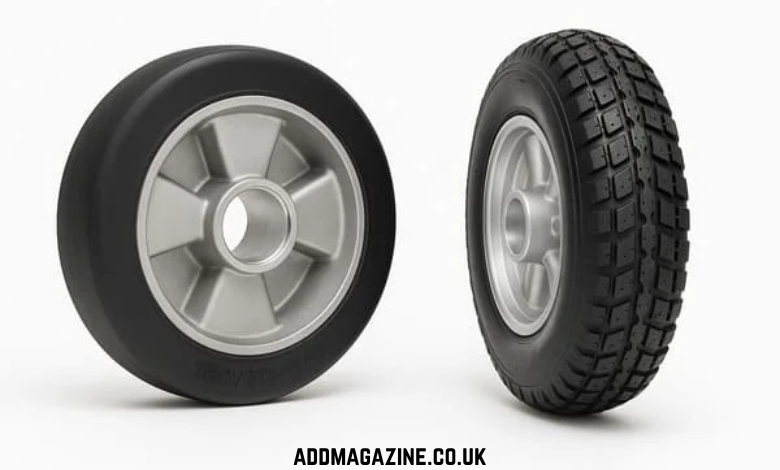
Equipment mobility requirements in industrial settings continue to evolve as facilities demand higher reliability and reduced maintenance overhead. Traditional pneumatic wheels, while common, introduce puncture risks and pressure monitoring requirements that can disrupt operations. Hard plastic alternatives often lack the shock absorption needed for sensitive equipment transport. Metal wheels create noise issues and surface damage concerns that facilities managers increasingly reject.
Solid rubber wheels represent a middle ground that addresses these operational challenges while maintaining the load-bearing characteristics required for industrial applications. The seven-inch diameter specification has emerged as particularly relevant across multiple sectors, providing sufficient ground contact area for stability while remaining compact enough for tight maneuvering spaces. Load capacity data from real-world implementations demonstrates consistent performance advantages in specific industrial contexts. In many European supply chains, kompletta hjul (complete wheels) are also widely used as ready-to-install solutions that streamline equipment setup and reduce maintenance downtime.
Understanding where solid rubber wheels deliver measurable operational benefits requires examining actual industry applications rather than theoretical specifications. The following sectors have documented performance improvements when switching from alternative wheel materials, with quantifiable impacts on equipment reliability and maintenance scheduling.
Manufacturing Floor Transport Systems
Manufacturing environments place unique demands on wheel materials due to the combination of heavy loads, debris presence, and continuous operation requirements. The 7 X 1.8 Solid Rubber Wheel overview specifications align well with the load capacities typical of assembly line carts and material handling equipment used in these settings. Solid rubber construction eliminates the puncture vulnerability that pneumatic wheels face when encountering metal shavings, screws, or other sharp debris common on production floors.
Load distribution characteristics of seven-inch solid rubber wheels provide stability for equipment carrying components between workstations. The rubber material absorbs vibration that could otherwise affect sensitive electronic components or precision instruments during transport. This vibration dampening becomes critical when moving partially assembled products or calibrated testing equipment.
Assembly Line Cart Applications
Assembly line workflows require consistent cart mobility to maintain production timing. Solid rubber wheels maintain their load-bearing capacity regardless of ambient temperature fluctuations common in manufacturing facilities. Unlike pneumatic alternatives that lose pressure in cold conditions or over-inflate in heated areas, solid rubber wheels provide consistent rolling resistance and maneuverability.
The durability of solid rubber construction reduces replacement frequency compared to softer wheel materials that wear quickly under continuous use. Manufacturing facilities report extended service intervals when using solid rubber wheels on frequently moved equipment, translating to reduced maintenance scheduling disruptions.
Tool Crib and Storage System Mobility
Tool storage systems and mobile workbenches benefit from the puncture resistance of solid rubber wheels when moved across floors that may contain dropped fasteners or cutting tool debris. The load capacity of seven-inch wheels accommodates the concentrated weight of tool storage while maintaining smooth mobility for workers accessing equipment.
Noise reduction compared to hard wheel alternatives becomes important in manufacturing environments where communication between workers is essential for safety and coordination. Solid rubber wheels provide quieter operation than metal or hard plastic wheels on concrete floors.
Medical Equipment and Hospital Cart Systems
Healthcare facilities require equipment mobility solutions that combine reliability with sanitation compatibility. Medical carts carrying diagnostic equipment, supplies, or patient care materials cannot afford wheel failures that could disrupt critical care delivery. Seven-inch solid rubber wheels provide the load stability needed for medical equipment while offering surface compatibility with the various floor materials found in healthcare facilities.
The chemical resistance of solid rubber wheels supports regular cleaning and disinfection protocols required in medical environments. Unlike pneumatic wheels with valve stems and air chambers that can harbor contaminants, solid rubber construction provides uniform surfaces that cleaning staff can properly sanitize.
Diagnostic Equipment Transport
Portable diagnostic equipment often requires smooth, vibration-free transport to maintain calibration and prevent component damage.
Seven-inch diameter wheels provide sufficient ground contact to distribute weight evenly, reducing pressure points that could cause wheel deformation under heavy diagnostic equipment. The solid rubber material maintains its shape under load, ensuring consistent performance throughout the service life of the equipment.
Emergency Response Cart Mobility
Emergency medical carts require immediate mobility without concern for wheel condition or functionality. Solid rubber wheels eliminate the possibility of finding deflated or punctured wheels when emergency equipment needs rapid deployment. The reliability factor becomes critical in life-safety applications where equipment failure is not acceptable.
Solid rubber wheels handle these surface changes without the rolling resistance variations that can affect cart handling during emergency situations.
Commercial Kitchen and Food Service Equipment
Food service operations face unique challenges in equipment mobility due to grease, moisture, temperature extremes, and stringent sanitation requirements. Commercial kitchen equipment mounted on wheels must navigate wet floors, temperature variations from cooking equipment, and frequent cleaning with industrial chemicals.
Solid rubber wheels provide chemical resistance against the cleaning agents commonly used in commercial kitchens. The non-porous surface prevents absorption of grease or food particles that could create sanitation issues or attract pests. Health department inspections increasingly focus on equipment cleanliness, making wheel sanitation an operational necessity.
Mobile Prep Station Requirements
Food preparation stations on wheels require stable mobility for positioning and repositioning during service periods. The load capacity of seven-inch solid rubber wheels accommodates heavy prep tables loaded with ingredients and equipment while maintaining smooth movement across kitchen floors that may be wet or have temperature-related expansion joints.
Temperature resistance of solid rubber wheels prevents degradation from heat exposure near cooking equipment or cold exposure in refrigerated prep areas. This temperature stability maintains consistent wheel performance regardless of kitchen zone requirements.
Storage and Inventory Cart Performance
Food inventory systems rely on mobile storage carts for efficient stock rotation and access. Solid rubber wheels support the weight of bulk food containers while providing the chemical resistance needed for regular sanitization. The durability of solid rubber construction withstands the frequent movement and loading cycles typical of food service operations.
Kitchen floor surfaces often include transitions between different materials for drainage or safety requirements. Seven-inch wheels roll smoothly over these transitions without catching or creating handling difficulties for kitchen staff managing loaded carts during busy service periods.
Warehouse and Distribution Center Operations
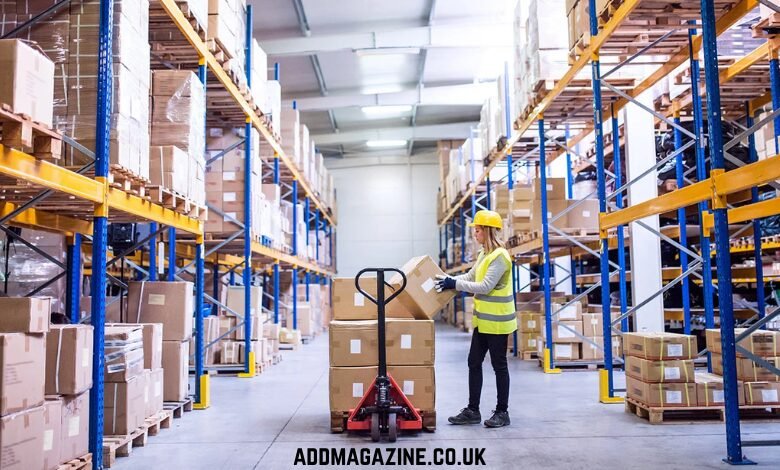
Warehouse operations demand wheel reliability under continuous use conditions with varying load requirements. Distribution centers process thousands of packages daily, requiring equipment that maintains functionality without frequent maintenance interventions. Solid rubber wheels eliminate air pressure monitoring and provide consistent performance across extended operating periods.
The warehouse environment typically includes concrete floors that can develop surface irregularities over time. Seven-inch solid rubber wheels absorb minor surface imperfections while maintaining load stability for material handling equipment and mobile storage systems.
Picking Cart and Order Fulfillment Systems
Order fulfillment operations require mobile carts that maintain reliability throughout long shifts and high-volume periods. Solid rubber wheels provide consistent rolling characteristics that workers can depend on for efficient picking routes and cart handling. The puncture resistance eliminates workflow interruptions from wheel failures during peak operational periods.
Load distribution capabilities of seven-inch wheels accommodate varying order sizes and weights without compromising cart stability. Workers can load carts with confidence that wheel performance will remain consistent regardless of cargo distribution or weight concentration.
Receiving and Staging Area Mobility
Warehouse receiving areas often contain packaging debris and banding materials that pose puncture risks to pneumatic wheels. Solid rubber wheels navigate these areas without vulnerability to sharp objects that may be present during unpacking and staging operations.
The durability of solid rubber construction maintains performance in high-traffic areas where equipment movement is frequent and cart impacts are common. Receiving dock environments require equipment that functions reliably despite the demanding conditions of continuous material handling.
Educational Institution Equipment Transport
Schools and universities require equipment mobility solutions that provide reliability while withstanding heavy use by multiple operators with varying levels of care. Educational environments present unique challenges including diverse floor surfaces, frequent equipment relocation, and budget constraints that favor durable, low-maintenance solutions.
Solid rubber wheels offer the durability needed for educational equipment that may be moved by different staff members or students throughout the academic year. The consistent performance characteristics reduce the likelihood of equipment becoming immobilized due to wheel failures during critical academic periods.
Audiovisual Equipment Carts
Educational technology equipment requires reliable transport between classrooms and storage areas. Projectors, sound systems, and interactive displays mounted on mobile carts depend on wheel systems that provide smooth, vibration-free movement to protect sensitive electronic components.
Seven-inch solid rubber wheels offer the stability needed for equipment carts while providing quiet operation in academic environments where noise disruption affects learning activities. The load-bearing capacity accommodates modern educational technology equipment that has increased in complexity and weight.
Laboratory Equipment Mobility
Science laboratories require mobile equipment that can navigate between different work areas while maintaining stability for sensitive instruments. Solid rubber wheels provide chemical resistance against spills and cleaning agents common in laboratory environments while supporting the weight of analytical equipment and supplies.
Temperature variations in laboratory settings, from standard classroom conditions to specialized environmental chambers, require wheel materials that maintain consistent performance across temperature ranges. Solid rubber construction provides this stability without the pressure variations that affect pneumatic wheels.
Retail and Display Equipment Applications
Retail environments require frequent merchandise repositioning and display reconfiguration to maintain customer interest and accommodate seasonal changes. Mobile display fixtures and storage systems need reliable wheel performance under conditions of frequent movement and varying load requirements.
Customer safety considerations in retail environments make wheel reliability essential, as equipment failures in public spaces create liability concerns and operational disruptions. Solid rubber wheels eliminate the unpredictability of pneumatic wheel pressure loss that could affect equipment stability in customer areas.
Merchandise Display Flexibility
Retail display systems benefit from the reliable mobility that seven-inch solid rubber wheels provide for frequent repositioning and seasonal reconfiguration. The load capacity accommodates merchandise weight while maintaining smooth movement across various retail floor surfaces including carpet, tile, and concrete.
Noise considerations in retail environments favor solid rubber wheels over hard alternatives that create disruptive sounds when moved across different floor materials. Customer experience is affected by operational noise, making quiet wheel operation a competitive advantage.
Stock Management and Inventory Systems
Retail stockroom operations require equipment mobility that supports efficient inventory management and restocking activities. Mobile storage systems with solid rubber wheels provide reliable access to inventory while withstanding the frequent movement required for stock rotation and organization.
The durability of solid rubber wheels reduces maintenance requirements in retail environments where operational continuity is essential for customer service and sales performance. Equipment downtime affects staffing efficiency and customer satisfaction levels.
Facility Maintenance and Janitorial Operations
Facility maintenance operations require equipment mobility across diverse environments and surface conditions. Janitorial carts and maintenance equipment encounter various floor materials, debris, and cleaning chemical exposure that demands robust wheel performance under challenging conditions.
Solid rubber wheels provide the chemical resistance needed for equipment regularly exposed to cleaning agents and maintenance chemicals. The non-porous surface prevents absorption of contaminants that could affect wheel performance or create sanitation concerns.
Cleaning Cart Reliability
Janitorial operations depend on mobile cleaning carts that maintain functionality throughout extended shifts and varied environmental conditions. Seven-inch solid rubber wheels support the weight of cleaning supplies and equipment while providing smooth mobility across wet floors and surface transitions common in maintenance work.
Puncture resistance becomes critical in maintenance environments where debris and sharp objects may be encountered during routine cleaning operations. Solid rubber wheels eliminate the operational interruptions that occur when pneumatic wheels fail due to punctures or pressure loss.
Maintenance Equipment Transport
Facility maintenance requires mobile tool storage and equipment transport that accommodates varying load requirements and environmental conditions. Solid rubber wheels maintain consistent performance whether moving light cleaning supplies or heavy maintenance equipment between facility locations.
Temperature stability of solid rubber construction supports maintenance operations that may require equipment movement between different environmental zones within facilities. This reliability ensures that maintenance schedules are not disrupted by wheel performance issues.
Security and Emergency Response Equipment
Security operations require equipment mobility solutions that provide absolute reliability when response time is critical. Emergency response equipment cannot be compromised by wheel failures that could delay deployment during security incidents or emergency situations.
Seven-inch solid rubber wheels offer the reliability needed for security cart systems and emergency response equipment that must be ready for immediate deployment. The consistent performance characteristics ensure that equipment mobility is never a limiting factor during critical response situations.
Mobile Security Station Requirements
Security checkpoint equipment and mobile monitoring stations require reliable positioning and repositioning capabilities to adapt to changing security requirements. Solid rubber wheels provide stable mobility for equipment that may need rapid deployment or relocation based on security assessments.
The quiet operation of rubber wheels supports security operations where noise discipline is important for maintaining situational awareness and avoiding detection during surveillance activities. Equipment mobility should not compromise operational security through unnecessary noise generation.
Emergency Response Cart Deployment
Emergency response equipment requires immediate availability without concern for equipment condition or functionality. Solid rubber wheels eliminate pre-deployment equipment checks and ensure that emergency carts can be moved instantly when situations demand rapid response.
Emergency situations may require non-standard equipment arrangements that test wheel performance under unusual load distributions.
Office and Corporate Environment Applications
Corporate environments require mobile equipment solutions that provide professional appearance while maintaining functionality for various office applications. Equipment mobility in office settings must accommodate different floor surfaces including carpet, tile, and hardwood while providing quiet operation that does not disrupt workplace productivity.
Seven-inch solid rubber wheels offer the professional appearance and reliable performance needed for office environments while providing the load capacity required for modern office equipment and storage systems.
Presentation Equipment Mobility
Corporate presentation equipment including projectors, screens, and audiovisual systems requires reliable transport between meeting rooms and storage areas. Solid rubber wheels provide smooth, quiet operation that maintains professional environments while protecting sensitive electronic equipment from vibration damage.
Load distribution characteristics of seven-inch wheels accommodate the concentrated weight of modern presentation technology while maintaining stability during transport across various office floor surfaces and transitions.
File Storage and Office Organization Systems
Mobile file storage and office organization systems benefit from the reliability and quiet operation of solid rubber wheels for frequent repositioning and access requirements. Office environments require equipment that maintains professional appearance while providing functional reliability.
The durability of solid rubber construction supports office equipment that may be moved by various staff members with different levels of equipment handling experience. Consistent wheel performance reduces the likelihood of equipment damage or operational disruptions in corporate settings.
Automotive Service and Garage Applications
Automotive service environments present challenging conditions for wheel materials including oil exposure, metal debris, temperature variations, and heavy tool loads. Seven-inch solid rubber wheels provide the durability and chemical resistance needed for garage applications while supporting the substantial weight of automotive tools and equipment.
Service bay operations require equipment mobility that maintains functionality despite exposure to automotive fluids and the debris common in vehicle repair environments. Solid rubber wheels resist oil and chemical degradation while providing puncture resistance against sharp metal objects.
Tool Cart Performance in Service Bays
Solid rubber wheels maintain their grip and performance characteristics despite chemical exposure that would degrade other wheel materials.
Parts Storage and Inventory Mobility
Automotive parts storage systems require mobile access to inventory that may include heavy components and bulk supplies.
Service efficiency depends on reliable parts access, making wheel reliability essential for inventory systems that support active repair operations. Equipment downtime affects customer service and shop productivity in competitive automotive service markets.
Conclusion
The performance advantages of seven-inch solid rubber wheels become evident when examined through the lens of real-world operational requirements across diverse industries. Load capacity data demonstrates consistent performance characteristics that address the reliability concerns common to equipment-dependent operations. The elimination of puncture risks and pressure maintenance requirements provides operational benefits that extend beyond simple cost considerations.
Industry applications reveal that solid rubber wheels excel in environments where equipment reliability directly affects operational continuity. Manufacturing floors, medical facilities, commercial kitchens, and warehouse operations all share the common requirement for dependable equipment mobility that does not introduce operational risks or maintenance overhead.
The chemical resistance and temperature stability of solid rubber construction provide durability advantages in specialized environments while maintaining the load distribution characteristics needed for heavy equipment applications. These performance factors combine to create measurable operational benefits that justify the selection of solid rubber wheels over alternative materials in specific industrial contexts.
Understanding these industry-specific applications enables more informed equipment decisions that align wheel selection with actual operational requirements rather than theoretical specifications. The documented performance improvements across multiple sectors demonstrate that wheel material selection has direct impacts on operational reliability and maintenance efficiency.